The link between regeneration and water
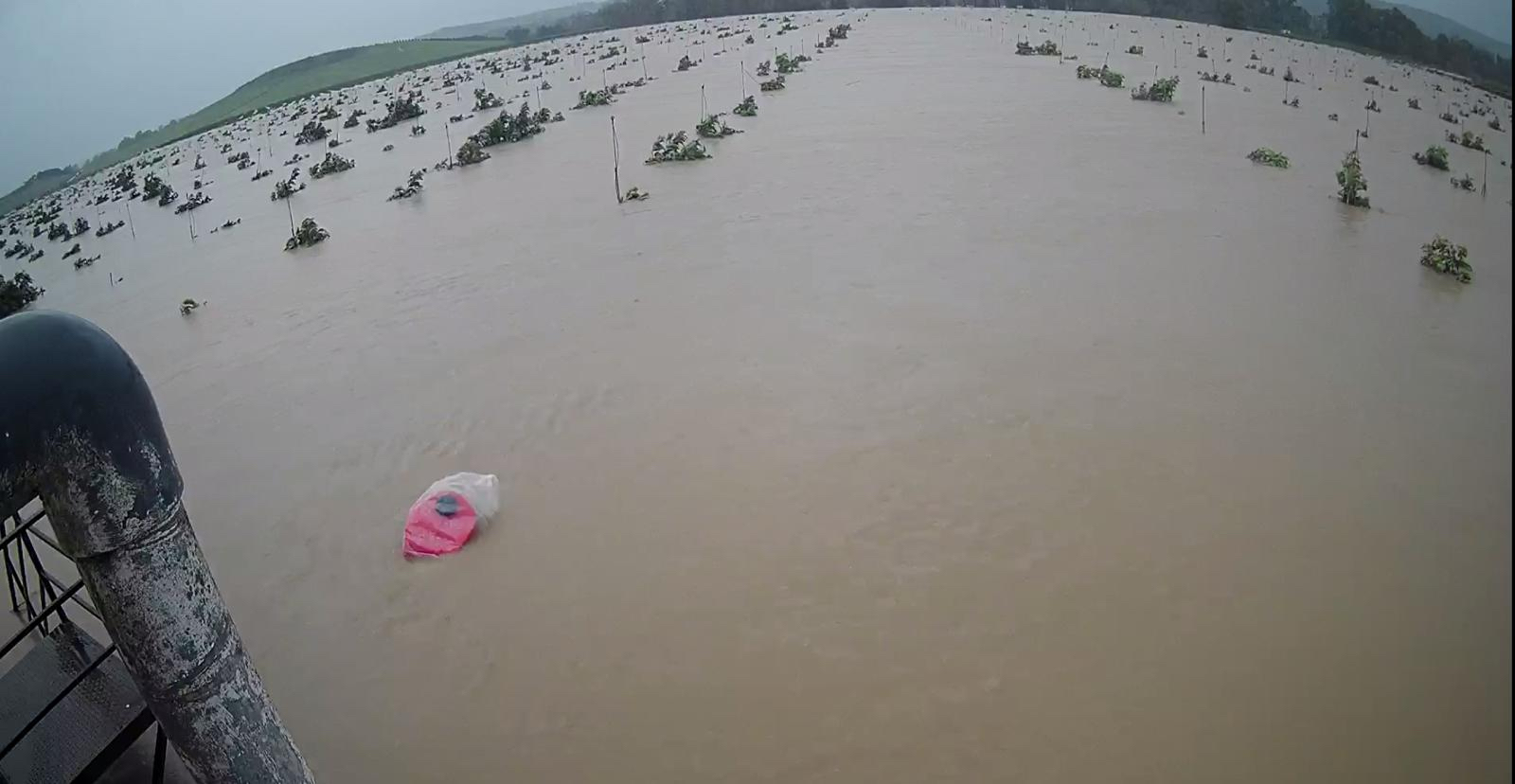
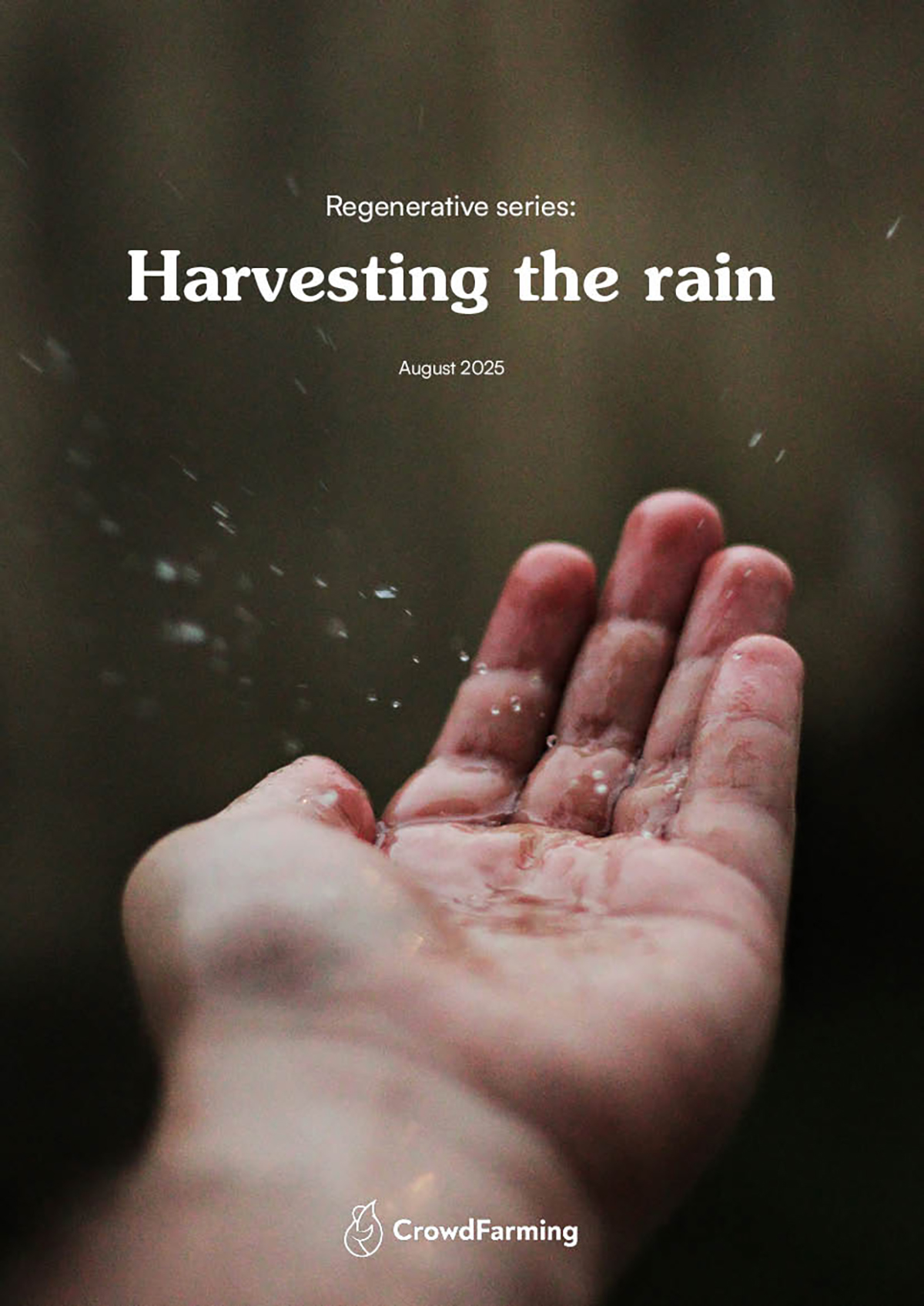
The Regeneration Series: Report about how regenerative-organic farming affects water. The living reservoir: Regenerating water from the soil up Did you know that agriculture already consumes 70% of the world’s freshwater and that aquifer over-extraction has been so extreme it has even shifted Earth’s axis? Our latest report, “Regenerative Series: Harvesting the Rain”, shows how regenerative-organic farming can turn soils into living reservoirs — protecting our food supply and securing our shared water future. The Water challenge and the soil solution In Europe, 20% of land and 30% of the population already face water stress every year. Droughts are moving north, floods are intensifying in the south, and soils — compacted and degraded by conventional agriculture — can no longer hold the rain that still falls. On top of this, fertiliser and pesticide run-off has polluted a third of Europe’s waters, costing billions to clean. Conventional farming isn’t just vulnerable to climate extremes — it’s making them worse. The good news is that healthy soils act like sponges. A 1% increase in organic matter allows a hectare of farmland to store 75,000 litres more water and improves infiltration rates by up to 256%. Farms like La Junquera, BioSanz, and Tropiterráneo are already proving it: absorbing floods, cutting irrigation needs in half, and even turning lifeless reservoirs into thriving ecosystems. The bigger picture Water security is not just about rain or reservoirs — it’s about how we farm. Supporting farmers who “harvest the rain” is more than a consumer choice: it’s an investment in food resilience, biodiversity, and the water security of us all. Dive deeper into the science and stories behind water resilience.