



Read
our articles
Capturing the sky on earth
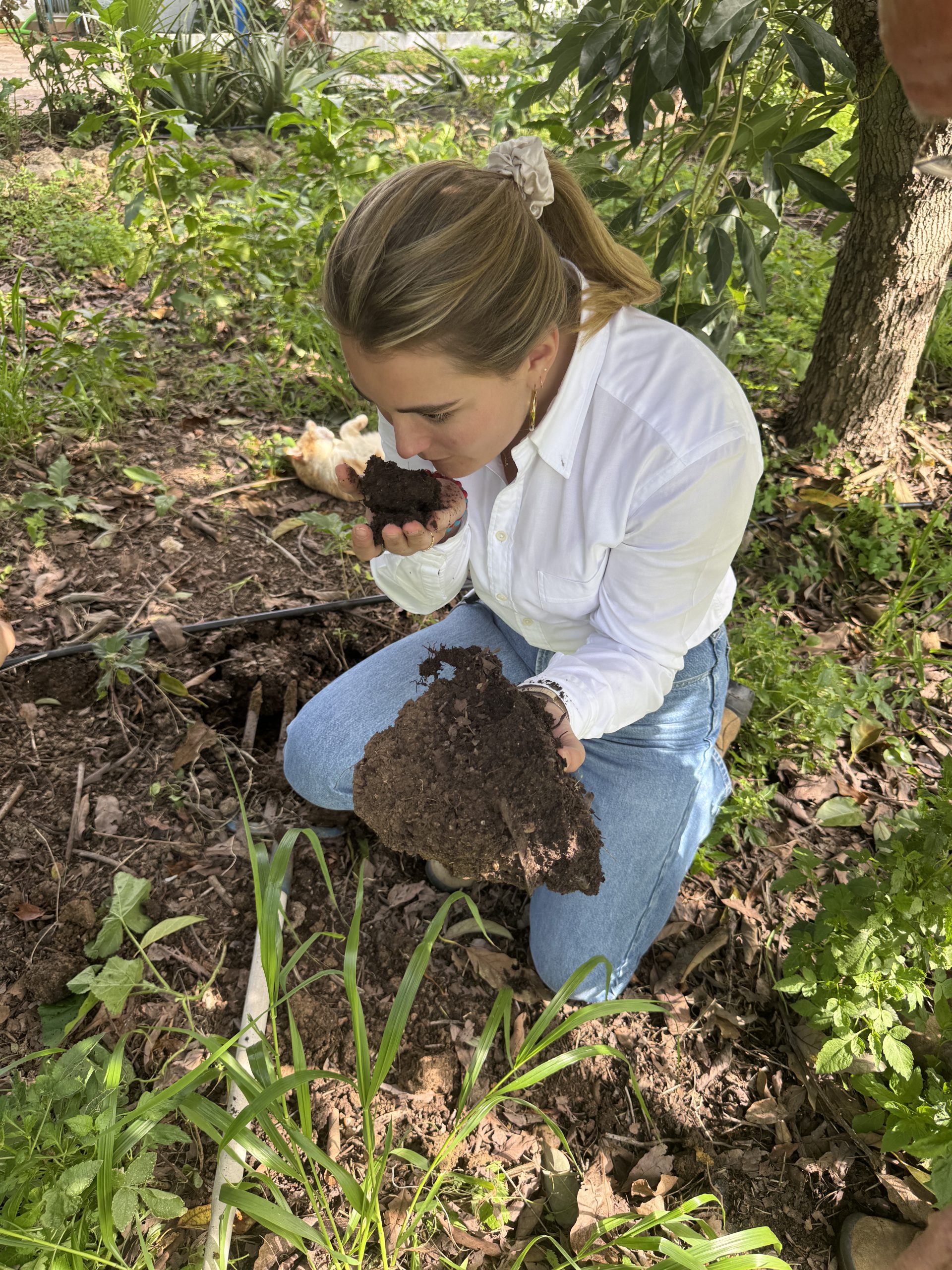
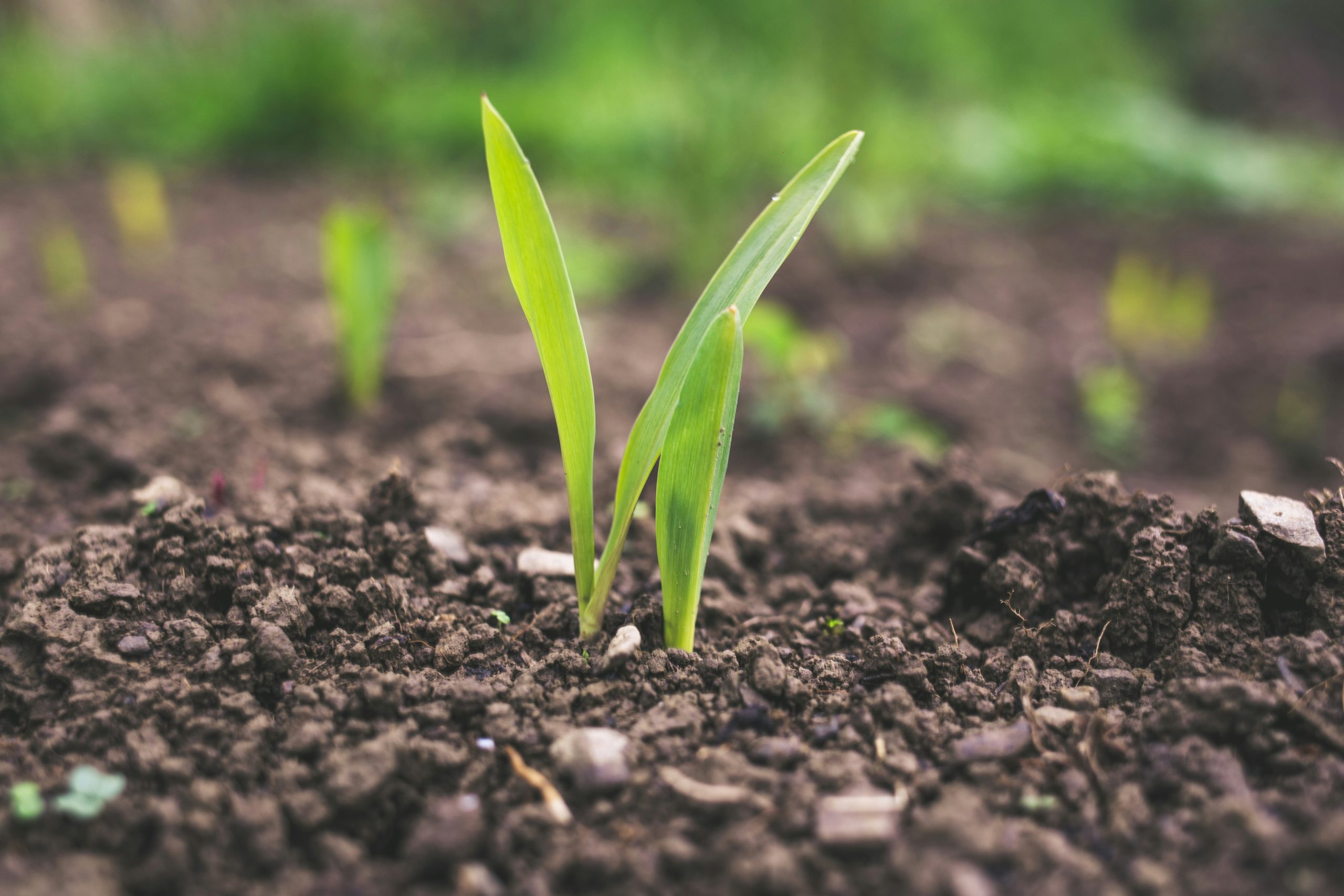
We talk about carbon as an air problem. But a big share of the CO₂ that’s heating the atmosphere today didn’t come out of a smokestack or a car—it came out of the soil. The good news: regenerative agriculture can put it back, and the key isn’t burying carbon, but giving the soil back the life that fixes it. Download research When we think about the climate crisis, we look up at the sky: smoke plum
Read
How can we help birds in summer?
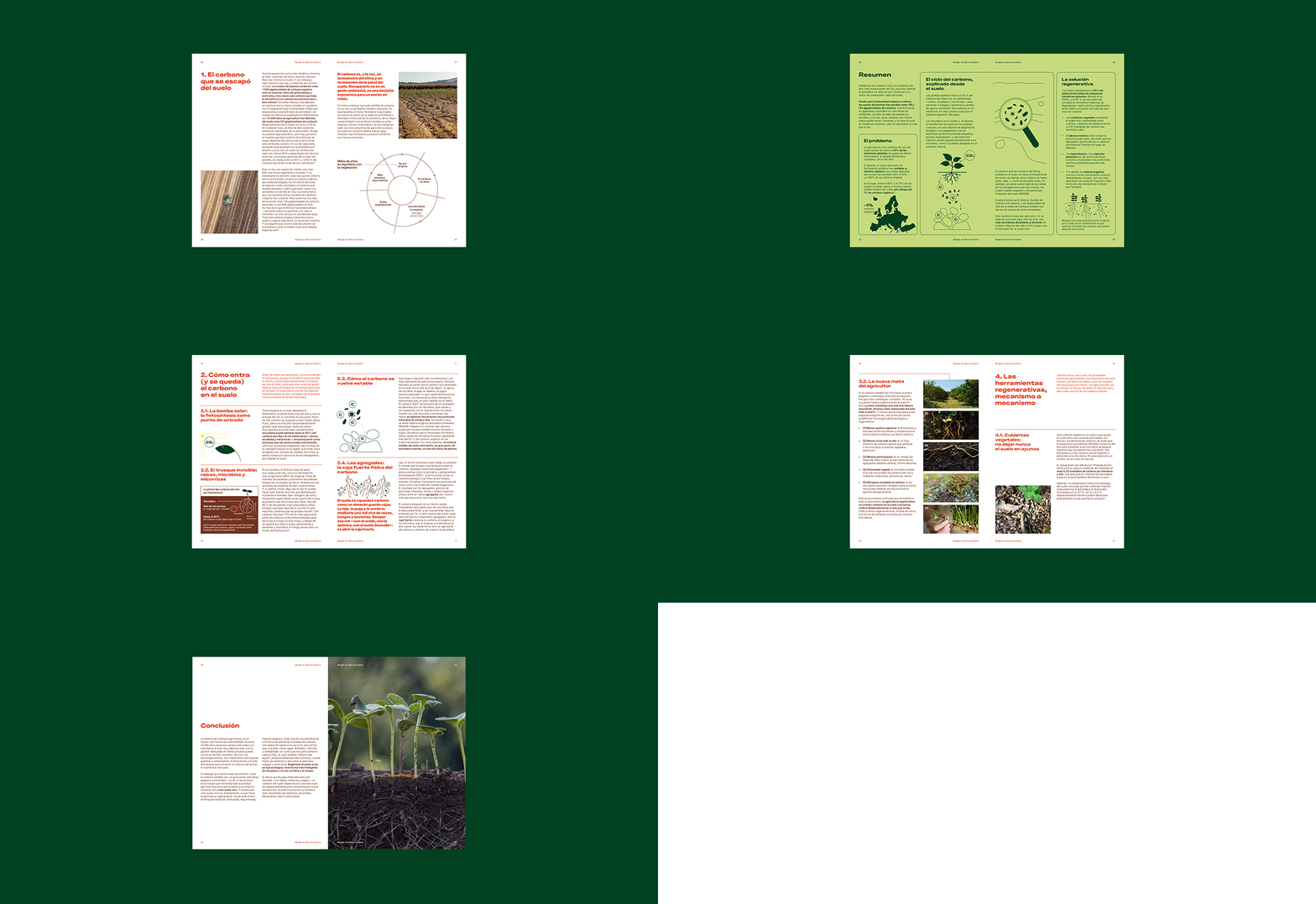
Summer used to mean long light and birdsong at dawn. This year, across Europe, it has meant something closer to a survival test, for people and for the birds sharing our skies, hedgerows and wetlands. The mechanics are simple enough. Extreme heat dries out vegetation until forests and scrubland become kindling, and once wind and drought join in, fires spread faster than anyone can contain them. Wh
Read
Why is Europe burning more intensely? The end of the conspiracies.
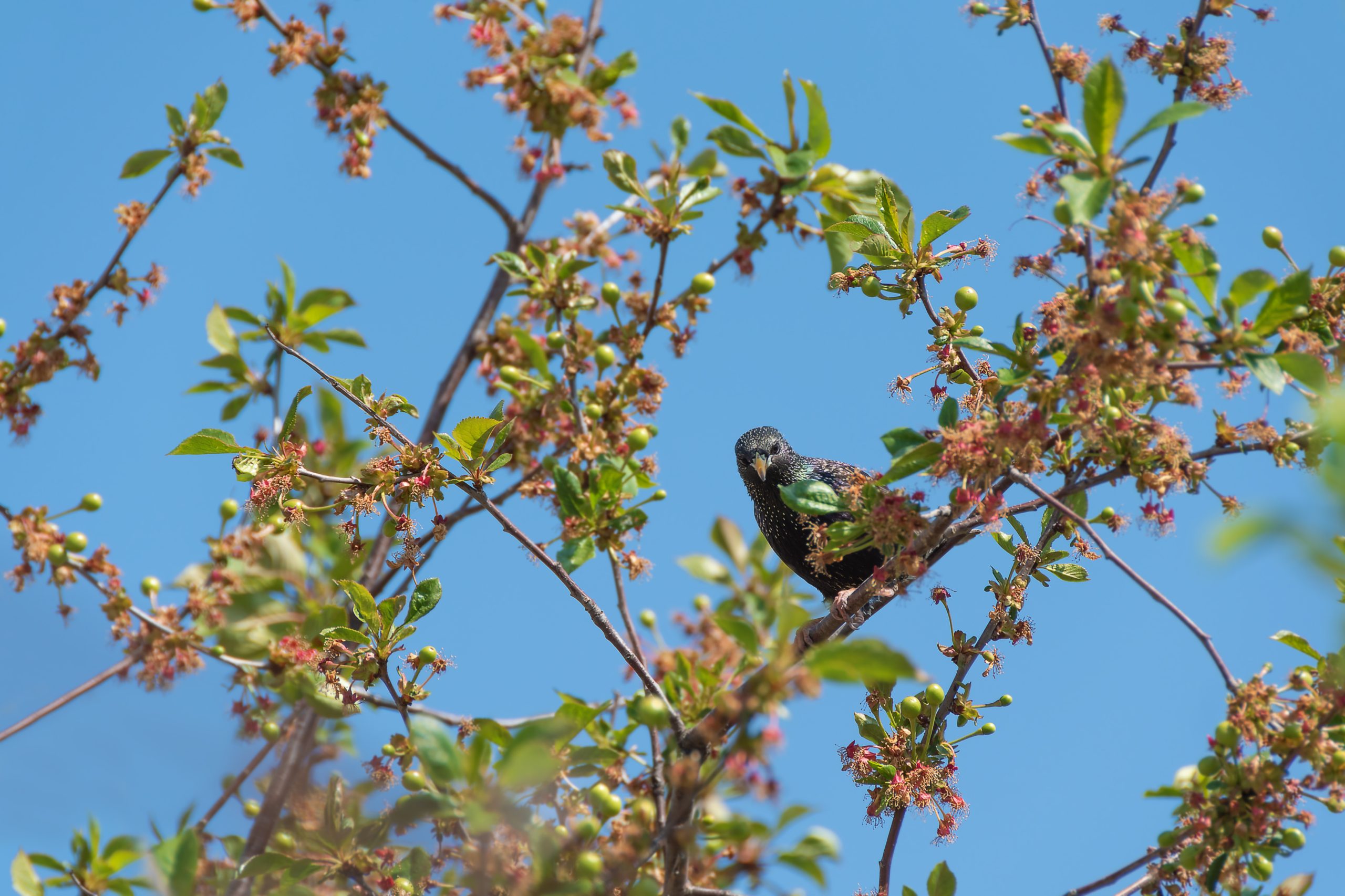
This summer, we are watching the fields of the farmers we work with burn. We are also seeing the conversation catch fire, both in political debates and at family gatherings. We are putting the data on the table to understand what is really behind all this smoke. In context Last week, a fire broke out in Vall d’Uixó (Castellón, Spain). In four days, when we began this investigation, it had bu
Read
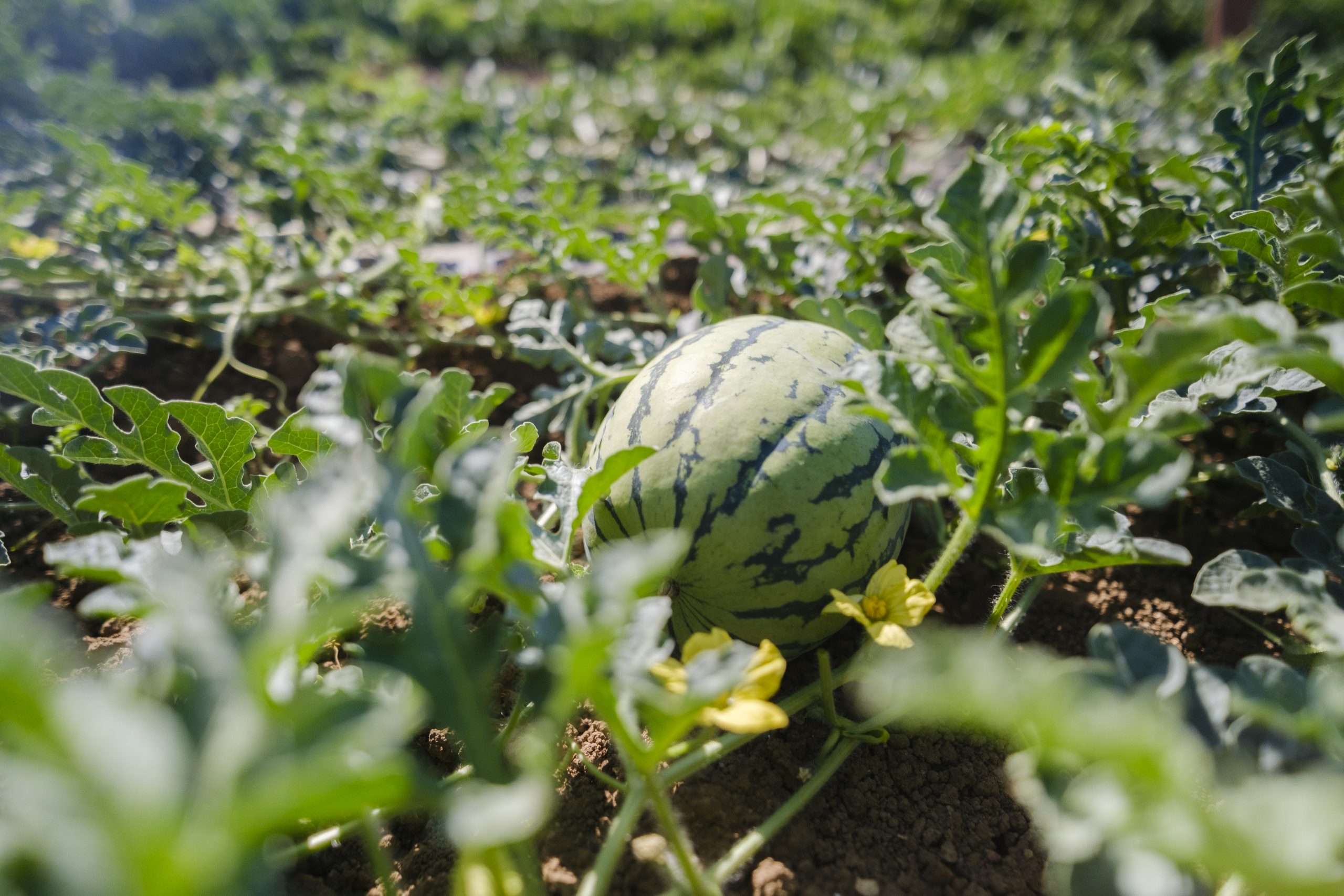
Watermelon: The Star of Summer Salads
Watermelon is a quintessential summer fruit, refreshing and sweet. While it makes a perfect dessert, for the month of August, we suggest it as the base for your salads. Not only can the pulp be used raw or cooked, but the seeds and skin can also enhance the flavor of your dishes. Here are different recipes you can make to combine ingredients and create salads as inspiration strikes. WatermelonR
Read
Thoughts on the first half of 2026
Written by Gonzalo Úrculo, farmer, CEO and co-founder of CrowdFarming. Note: I wrote this text as an internal document to align the people who work at CrowdFarming every day. For a couple of years now, I have also shared it with our community of farmers, customers, and suppliers.At the end of the article, you will find a glossary explaining the meaning of technical terms or internal jargon marked with an asterisk (*) throughout the text. Has sustainability gone out of fashion?I haven’t read company statements on sustainability on LinkedIn or in the press for a while. It’s as if sustainability managers have now transformed into AI gurus. It very much looks like the sustainability that was done for outward appearances has lost momentum in the corporate world. And this, in my opinion, is positive because it reduces noise and allows actions to speak for themselves. Corporate sustainability is a competitive advantage when it is part of a company’s culture. Well-applied sustainability achieves positive and sustained effects over time on business metrics. During this first half of the year, we have managed to reach these business metrics, not through a one-off effort but through constant drive in the same direction: 2,969 farmers selling their harvests at a fair price. Soil analysis conducted on 47 new farms to measure the impact of regenerative practices, and designing an agronomic programme together with the farmers to increase their soil’s natural fertility in the long term. With these 47, there are now 100 farms within our regenerative organic farming programme. €1,794,784.43 in sales of fruits and vegetables in conversion to organic. Receiving a fair, predictable, and stable price is especially key when a farmer is in the delicate phase of conversion to organic because their trees usually experience a drop in productivity. 25% increase in sales of All Is Good* (our brand of processed products) compared to last year. And furthermore, we are starting to see the results of our efforts at an economic level. For the first time in 5 years, we have finished the first half of the year with positive EBITDA*, and growing at double digits. Betting on the direct production and sale of organic products is profitable. To achieve this positive EBITDA*, we have all had to make sacrifices and prioritise spending items well.An example of this is that we have not renewed our B Corp* seal. It was a difficult decision because this seal has positive aspects. Renewing the seal cost €16,000 this year and, thinking clearly, although it’s cool to have a company audit the sustainability of your operations, we saw that we weren’t getting the most out of it and that this money (a scarce resource in our startup) could be dedicated to more farmer training and to raising the salaries of some profiles in our team. We do not rule out getting recertified in a couple of years. Successes to celebrate from the first half of the yearSuccesses must be celebrated. Especially those you pursue, but also those you achieve almost by accident. I have found that when you surround yourself with good people, the mission that unites you is pure, motivating, and ambitious; along the way, good things happen that you didn’t even count on. We do not have a goal to reach a certain percentage of young farmers selling through{Brand} CrowdFarming but we were very excited to see that, naturally, we have achieved a metric that is well above average.

Read
Statutes of 1% for the Soil
The rules governing 1% for the Soil
Read
Summer: the season on fire
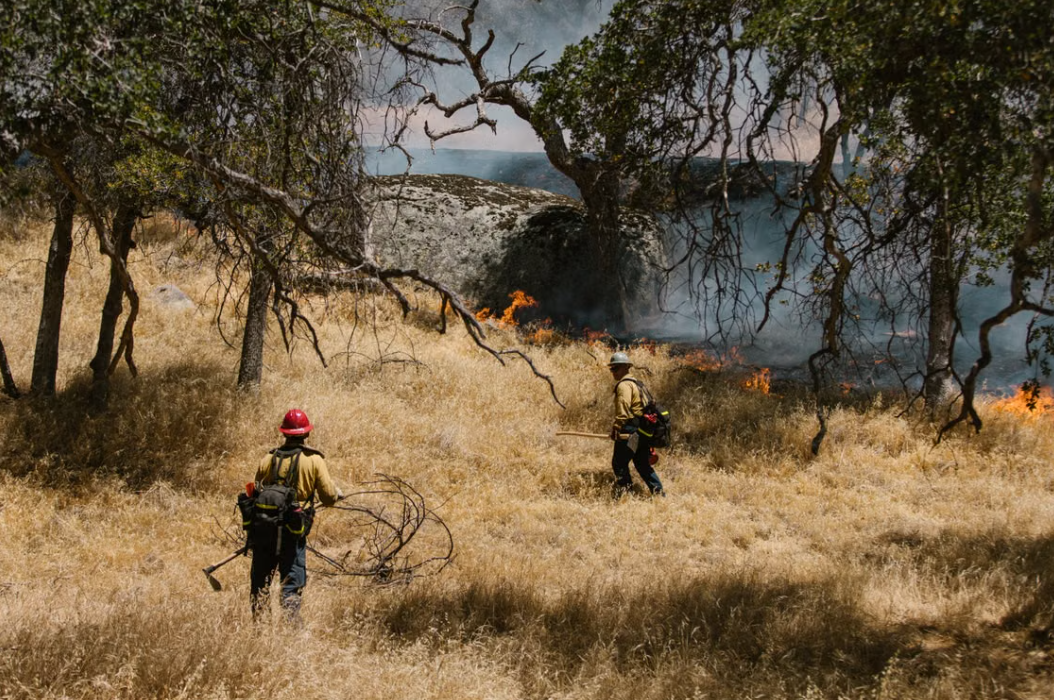
Four countries are burning at once, a continent just recorded its hottest June on record, and European farms are absorbing losses that will show up on your plate before the year is out. The part of this that matters most is happening in a regulatory building in Brussels, while everyone is watching the flames. By the second week of July, Portugal, Spain, Greece and France were fighting wildfires at
Read
The lobby behind your lunch
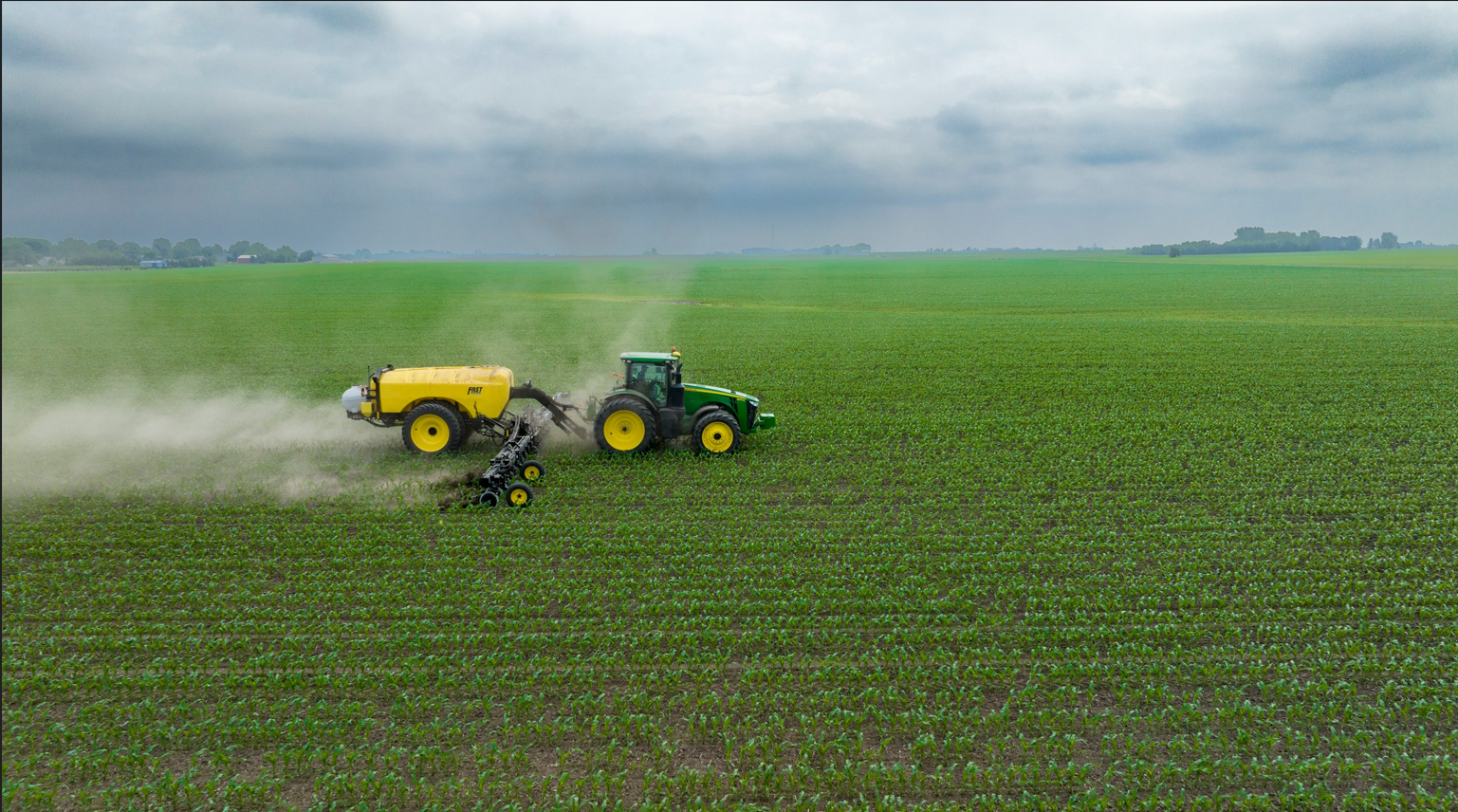
Here is a question worth sitting with: when a farmer reaches for a pesticide, whose knowledge is informing that decision? Their own experience, perhaps. Their agronomist’s advice. A report they read, or were pointed towards. A training course from university. And at each of those junctions: the agronomist, the paper, the university, there is a reasonable chance that the answer is: Bayer. Or
Read