




What The Field?!
Podcast
Is there an ethical way to produce meat?
#1 | February 2026
Listen

Why Regenerative Agriculture makes business sense
#308 | December 2025
What if the future of farming was not only better for biodiversity and soil health, but also a smarter long-term investment? In this episode of What The Field?!, we sit down with Alessia Lenders, Head of Impact at SLM Partners, a pioneering investment firm proving that ecological farming and solid financial performance can go hand in hand. Alessia’s journey into regenerative agriculture did not begin in the fields but in the world of traditional finance. Searching for investment solutions that could genuinely improve biodiversity, she found herself returning again and again to agriculture: one of the biggest drivers of environmental degradation, but also one of the greatest opportunities for change. Today, SLM Partners manages more than 760 million dollars in farmland and forestland across the United States, Australia and Europe. Their approach is simple yet radical: invest in land, partner with skilled farmers, and scale regenerative systems that rebuild soil, protect water and secure long-term productivity. What you will discover in this episode 1. The economic logic behind regenerative agriculture Alessia explains why long-term, patient capital fits naturally with regenerative transitions: healthier soils, more diverse revenue streams (including carbon projects in Australia) and more climate-resilient farms. Far from being a financial compromise, regenerative systems can improve profitability by reducing input costs, stabilising yields and tapping into premium and organic markets. 2. Why investors are turning to farmland Farmland behaves differently from stocks and bonds, which makes it an attractive diversifier for institutional investors. SLM adds another layer: regenerative farms that can outperform conventional systems over the long term while delivering measurable environmental impact. 3. The crucial role of the farmer SLM’s model is farmer first. They partner with experienced growers who want to expand but lack the capital to acquire land. SLM buys the land, the farmer manages it and both commit to a regenerative transition adapted to local realities. The result is a partnership that supports young farmers, protects landscapes and proves that ecological agriculture can scale. 4. A clearer picture through data From soil microbiology to water modelling, biodiversity indicators and carbon estimates, SLM collects an extraordinary amount of data to understand and communicate how landscapes change over time. This allows them to build business models that anticipate droughts, evaluate water security and verify real ecological outcomes. 5. Regenerative agriculture is not one size fits all Whether transitioning almond orchards in Spain, grasslands in Australia or mixed farms in the United States, SLM adapts regenerative principles to each context. For some farms, the target is organic certification. For others, it is a regenerative outcome-based approach focused on soil health, biodiversity and long-term resilience. This episode goes deeper than we ever have into the financial mechanics behind regenerative agriculture. It is a rare look at how capital, ecology and farming come together to build food systems that work for both people and the planet. If you have ever wondered whether regenerative agriculture really adds up financially, ecologically or both, this is the conversation you will not want to miss.
Listen
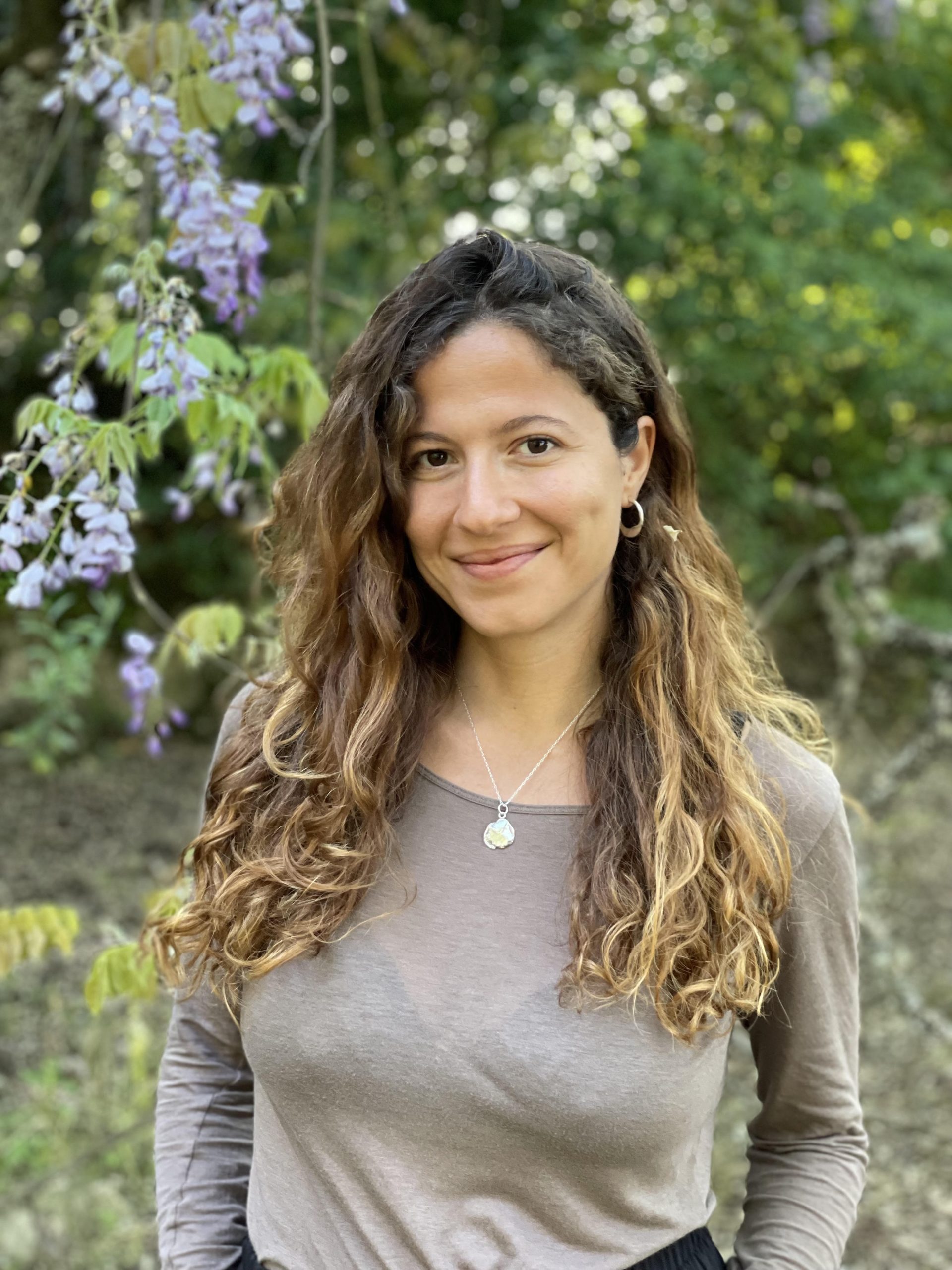
Connecting soil health and human health with Raiza Rezende
#308 | October 2025
This episode looks at how do farm practices shape the nutritional quality of food—and what would it take to make that knowledge useful in the healthcare industry? Our guest is Raiza Rezende, co-founder of RHEA — Regenerative Healthcare European Association, an organisation working across education, research, and policy to connect agriculture and healthcare. In this episode, you’ll hear: Why soil health and human health are linked. We discuss One Health—the idea that the health of soils, plants, animals, and people is interconnected, including via the microbiome. Bridging the gap between farms and healthcare. RHEA’s core mission is to connect the healthcare sector (doctors, hospitals, dietitians) with agriculture. Where the science stands. Nutrient density is a young field; evidence is building but uneven. We talk about running multi-year, outcome-based trials and why results should be read with nuance. How to measure “nutrient density” without hype. From lab panels to crop-specific benchmarks (tomatoes vs. tomatoes), and why sampling design matters more than slogans.
Listen
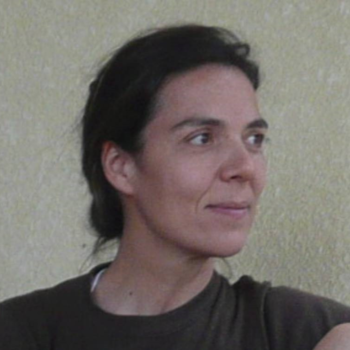
Making the impact of our food choices visible: A conversation with Sabine Bonnot from Planet-score
#307 | August 2025
In this episode of What the Field?!, we sit down with Sabine Bonnot, President of Planet-score, to discuss how their food labelling system is helping consumers better understand the environmental impact of what they buy — and why some types of information matter more than others. Drawing on research conducted in supermarkets across Europe, Sabine explains why shoppers distrust simplified, aggregated scores, and how transparency on issues like pesticide use, biodiversity, animal welfare, and production methods can guide them towards more sustainable choices. Sabine shares insights on: Why climate impact often ranks lower for consumers choosing food products How detailed labels can shift purchasing decisions towards nature-positive farming The role of clear communication in building trust between farmers and eaters Listen now on your favourite platform or directly through this link:
Listen
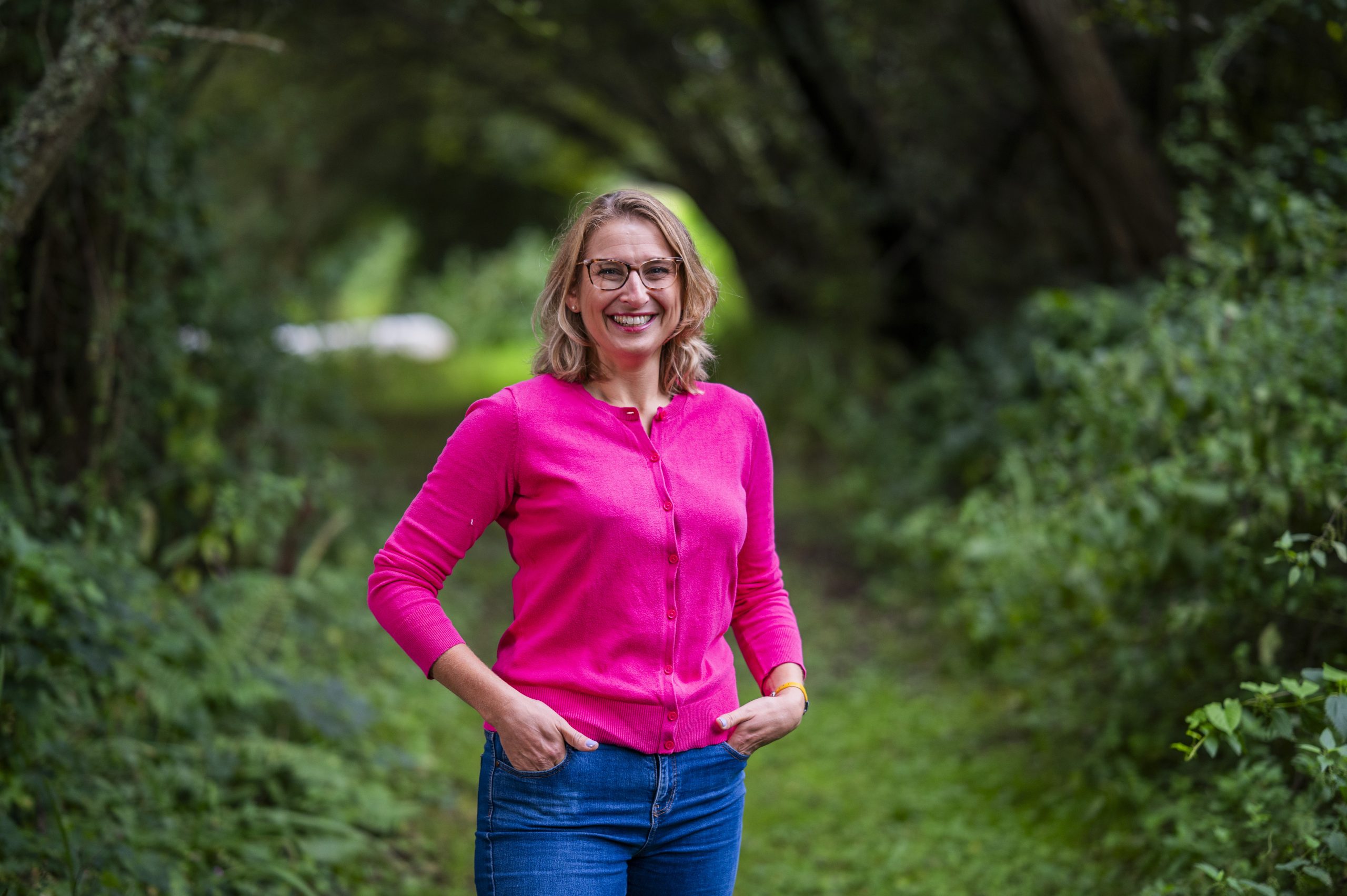
Regenerative by Design: A chat with Reniera O’Donnell from the Ellen MacArthur Foundation
#306 | July 2025
In this episode, we sit down with Reniera O’Donnell, Food Lead at the Ellen MacArthur Foundation, to talk about the power of circular food design — and what it means to truly rethink the system from the ground up. We dive into the Foundation’s Big Food Redesign Challenge, an initiative inviting food companies to radically redesign their products using circular economy principles. What happens when you apply circular design for food not just on farms, but in food innovation labs, ingredient sourcing, and supermarket shelves? Reniera shares insights on: How better food design can drive biodiversity and soil health Why diversity in ingredients is key to reshaping our supply chain What it takes to bring products to market that are designed for nature to thrive Listen now on your favourite platform or directly through this link:
Listen
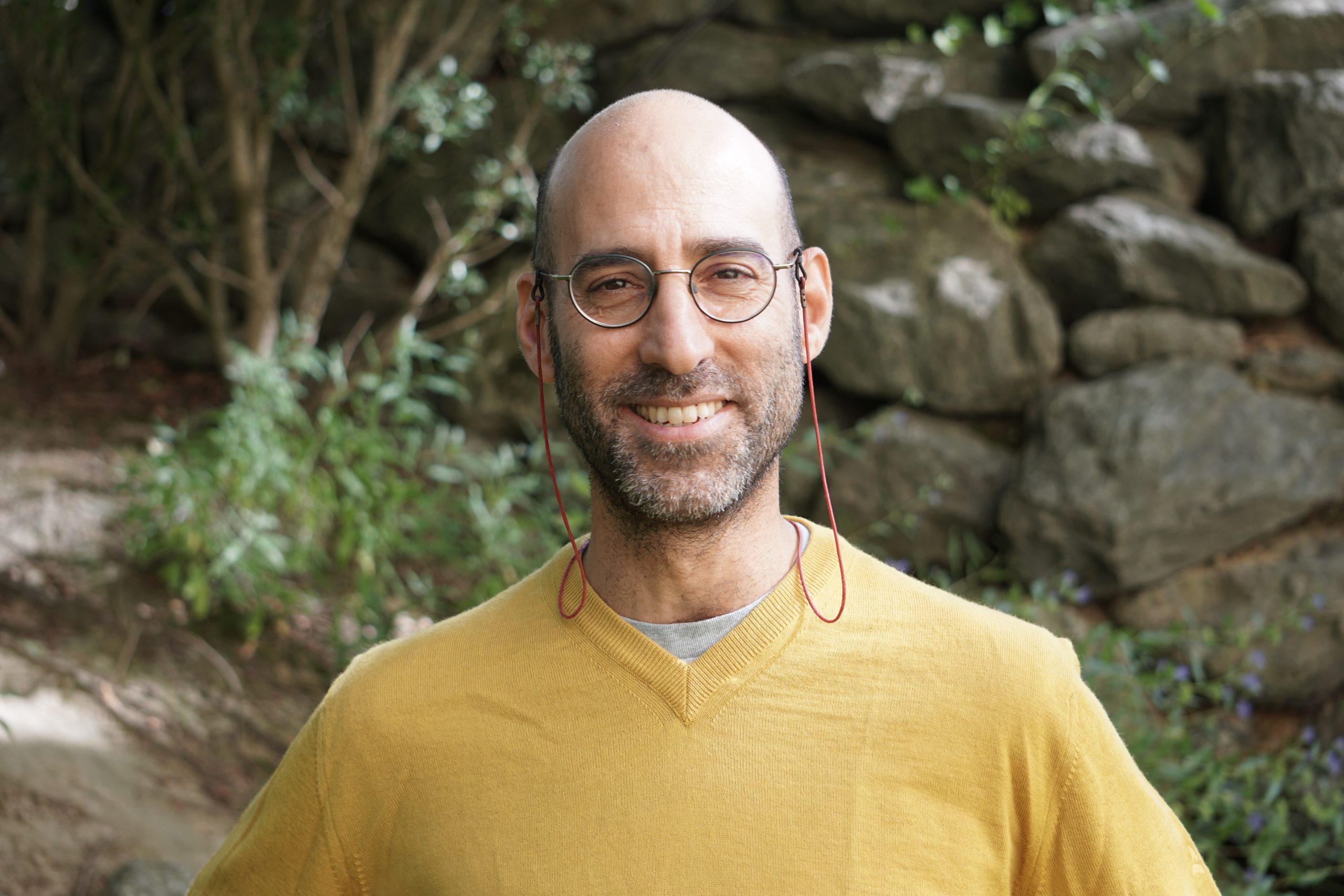
Birdsong is disappearing from our landscapes—but why? A conversation with Ariel Brunner.
#305 | June 2025
Birdsong is disappearing from our landscapes—but why? In the latest episode of What the Field, we sit down with Ariel Brunner, Regional Director of BirdLife International, to talk about why the dramatic decline in bird populations across Europe is not just a tragedy for nature lovers, but a warning sign for the future of our food systems. Drawing from decades of experience in conservation, Ariel explains how industrial agriculture has devastated biodiversity—especially among farmland birds—and how rethinking the way we farm, consume, and organise politically could turn things around. From the disappearance of house martins in southern Spain to the global expansion of monocultures, we unpack how our current food production model is ecologically unsustainable. But this isn’t just another story of environmental collapse. Ariel also shares tangible examples of hope: collaborative projects like “Olivares Vivos” that restore biodiversity in olive groves, and ways city dwellers can make space for birds even without a garden. You can find more of our podcast episodes here.
Listen
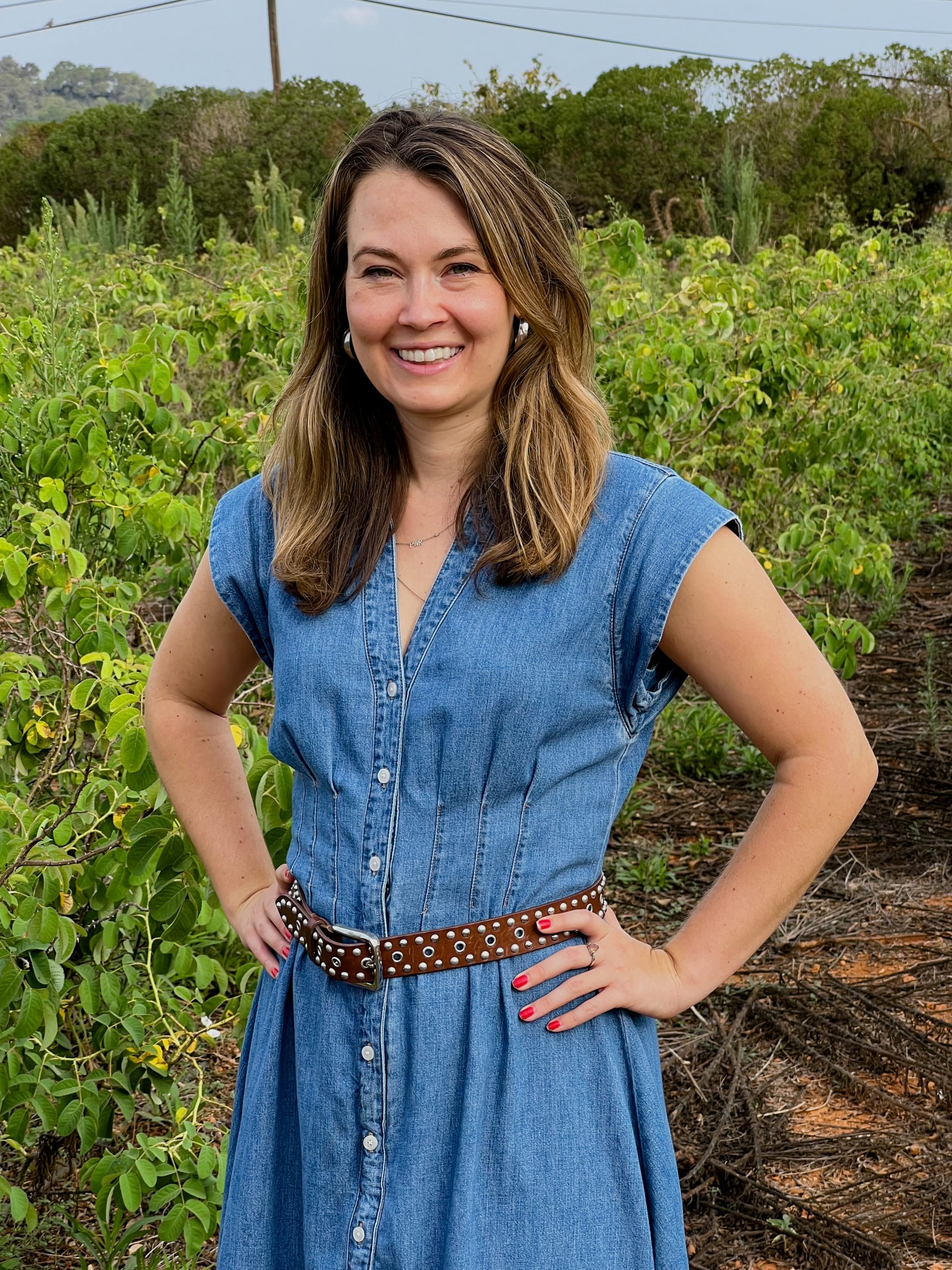
Making farmers famous with Analisa Winther from Top 50 Farmers
# | May 2025
In this episode of What The Field?!, we sit down with Analisa Winther, co-founder of Top 50 Farmers, to discuss the importance of recognising and celebrating the individuals behind our food. Analisa shares insights on how visibility can transform the agricultural landscape and why it’s crucial for the future of regenerative farming. We delve into: The mission of Top 50 Farmers and its impact on the farming community. How more visibility can turn into policy influence, new markets and stronger community ties. How scaling regenerative farming starts with knowing who your favourite farmer is. Join us as we explore how making farmers famous isn’t just a catchy idea—it’s a necessary step towards a more regenerative and connected food future.
Listen

Real or fake price tag? A deep dive into the true cost of food with Pietro Galgani.
# | April 2025
We talk a lot about fair prices. But what if we told you the price tag on your food is lying to you? In this episode of What The Field?!, we dive into true cost accounting — what it is, why it matters, and how it can change the way we think about food. Our guest Pietro Galliani from True Price and the Impact Institute breaks down the invisible costs behind what we eat: environmental damage, underpaid farmers, and social inequalities that never make it onto the label. We also explore how businesses and consumers can start closing the “true price gap” — without waiting for someone else to fix the system. Because change doesn’t start in boardrooms. It starts at the checkout. Listen now and find out: Why “cheap” food isn’t cheap at all How true pricing can fund real solutions What regenerative farmers and consumers can do to shift the system Ready to stop being fooled by fake price tags?
Listen
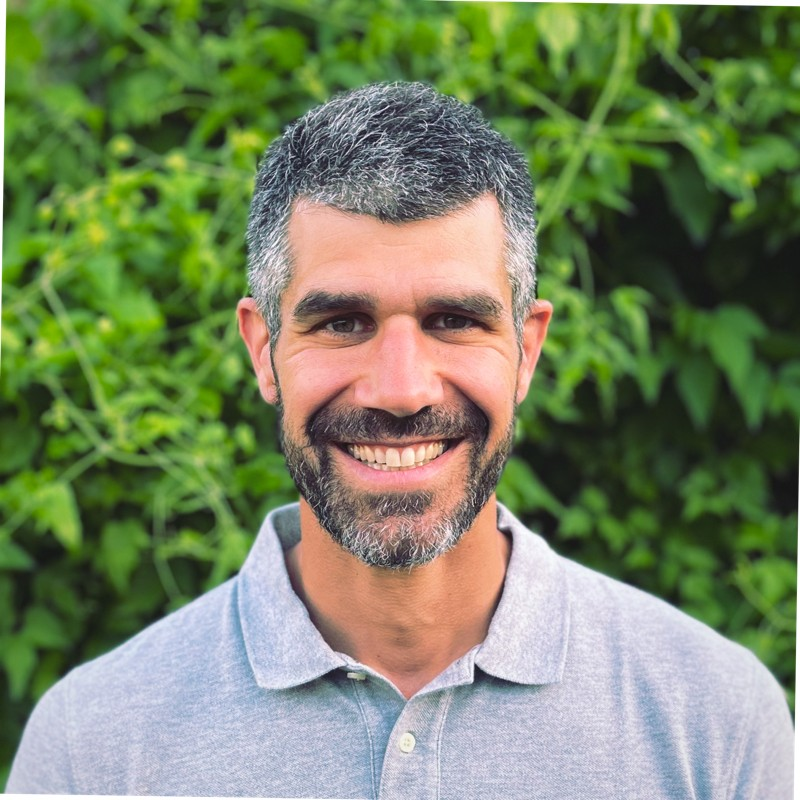
Big brands, big promises: a chat with Earthworm CEO Bastien Sachet
# | March 2025
In this episode of What The Field?!, we sit down with Bastien Sachet, CEO of Earthworm, to dig into whether big businesses are actually walking the talk on regenerative agriculture—or just riding the sustainability wave. Earthworm is an impact-driven global non-profit working on the ground to create scalable solutions for nature and people to thrive. It started with Nestlé’s no-deforestation pledge, proving that when corporations commit, real change can happen. A key takeaway: It’s not the company, It’s the peopleBastien reminds us that businesses don’t change—people inside them do. Often, corporate sustainability efforts start with one determined person pushing for better practices. While companies love to talk about soil health, only a few back it up with real action. Farmers need financial support, long-term security, and better tools to measure progress—things most corporate commitments still lack. Many companies only adopt sustainability policies after public pressure, legal risks, or supply chain disruptions (e.g., Nestlé’s palm oil scandal with Greenpeace). Why soil health is the next big thingBeyond carbon footprints, regenerative agriculture could revolutionise food quality. Healthier soils may lead to more nutrient-rich crops—giving businesses a powerful new reason to invest in soil regeneration.Ready to find out if the world’s biggest brands are really getting their hands dirty? Tune in to the latest episode of What The Field?! and hear Bastien break it all down!
Listen