
Is there an ethical way to produce meat?
#1 | February 2026
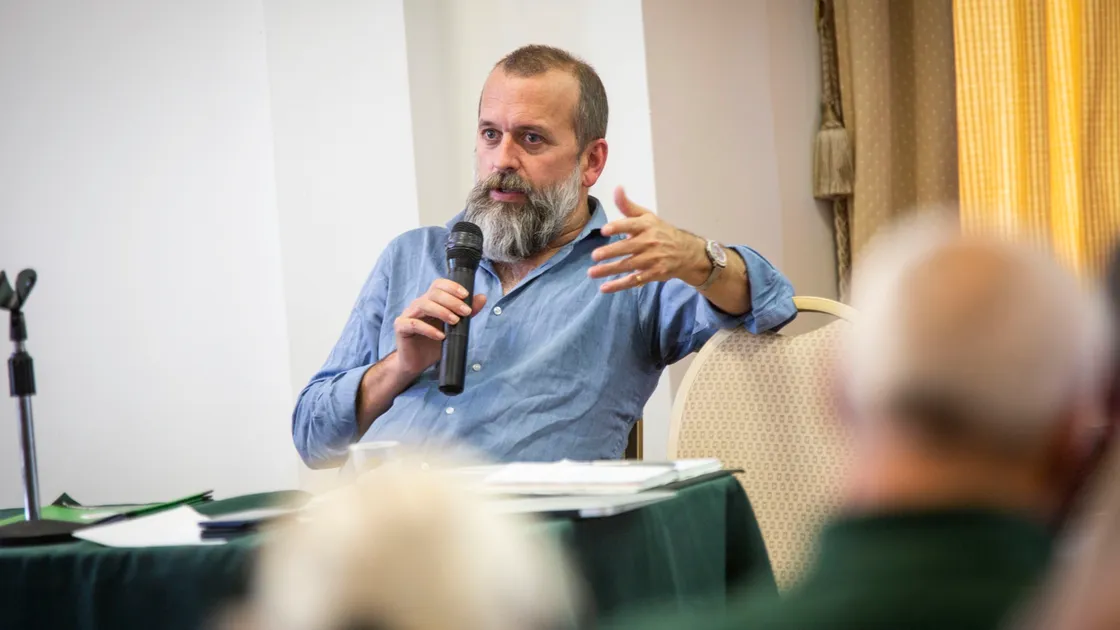
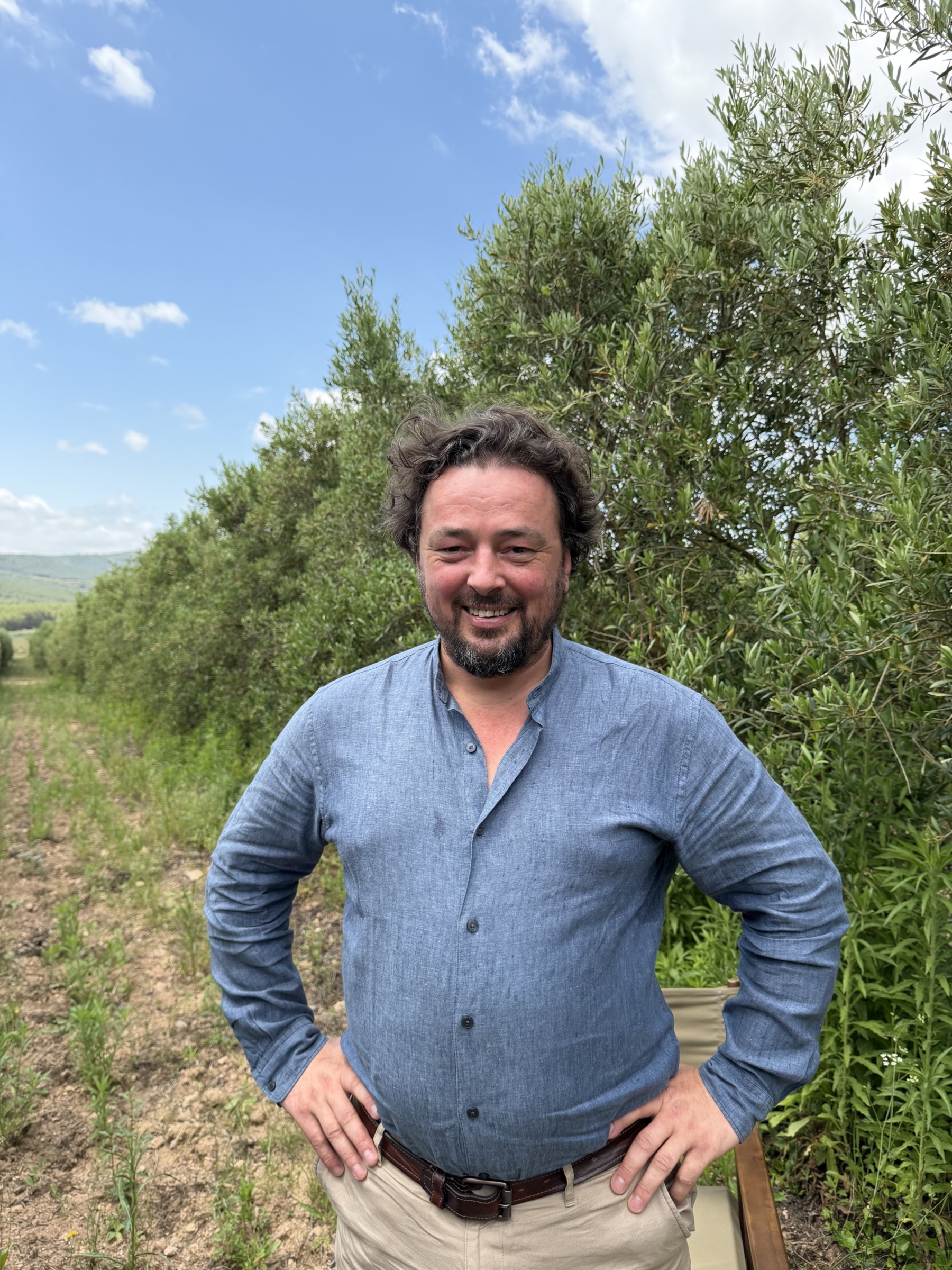
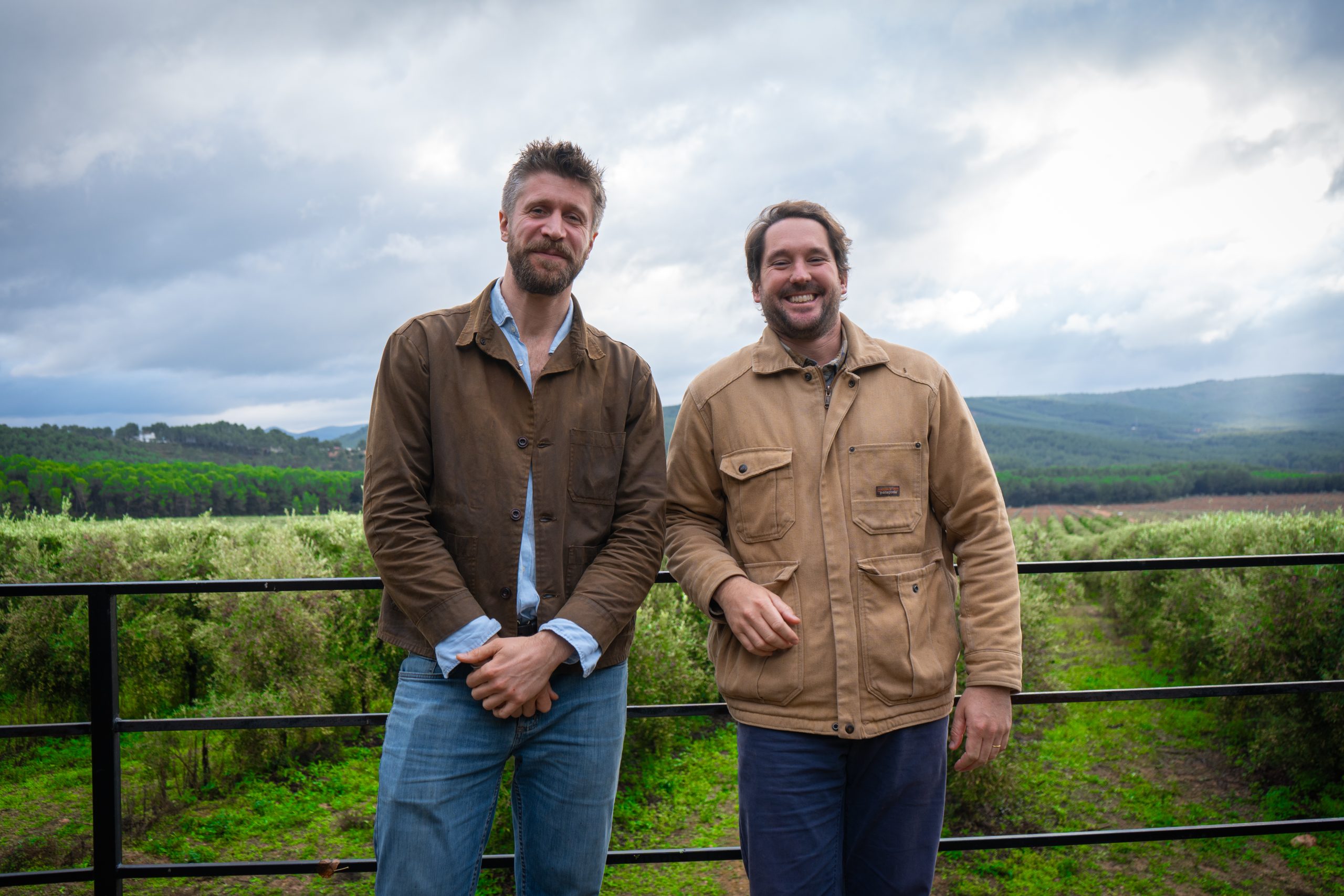
The meat debate is often stuck in extremes. In this episode, we spoke with farmers Benedikt Bösel (Gut&Bösel) and Alfonso Chico de Guzmán (La Junquera) about what it really means, in practice, to raise a cow — and to slaughter one. That uncomfortable line between integrating livestock to rebuild ecosystems… and killing and selling animals for profit.
Published August 2026
Is there an ethical way to produce meat?
In the modern climate debate, livestock is routinely cast as the ultimate villain. We are told that methane is the enemy and that eliminating meat is the only viable path forward. But a growing movement of farmers argues that the problem isn’t the cow—it’s the how.We spoke with two regenerative farmers operating at different ends of Europe: Thomas, who manages a herd in the arid terrain of Spain, and Benedict, who runs a farm in Germany. They open up about why they brought cattle back to the land, the raw emotional reality of pasture slaughter, and why ultra-cheap supermarket meat is a symptom of a broken system.For both men, returning animals to the soil wasn’t an attempt to scale up a high-yield meat business. It was a practical, localized decision to ditch industrial inputs and let biology do the heavy lifting.
How did you both end up bringing livestock back onto your land?Thomas: I actually started it as a hobby with just three calves of an old, almost extinct local breed. Slowly, they began to breed, and the hobby turned into a serious business. We eventually hired a 21-year-old cowboy to manage them full-time, and today we have about 150 cows and calves moving across our dry landscape.Benedict: When I took over our family farm in December 2016, it was being run as a conventional, large-scale organic farm. We were trucking in loads of fertilizer and nutrients from hundreds of kilometers away—the carbon footprint of that alone was absurd. I grew up with a deep connection to animals, and I knew I wanted them back on the land to close the loop. I wanted them to deposit nitrogen directly into the soil, rather than relying on external inputs hauled in from somewhere else.Replacing synthetic or imported fertilizer is only the baseline. Once a herd starts moving, it fundamentally alters the physical landscape, carving out niches for wildlife that industrial farming wiped out.
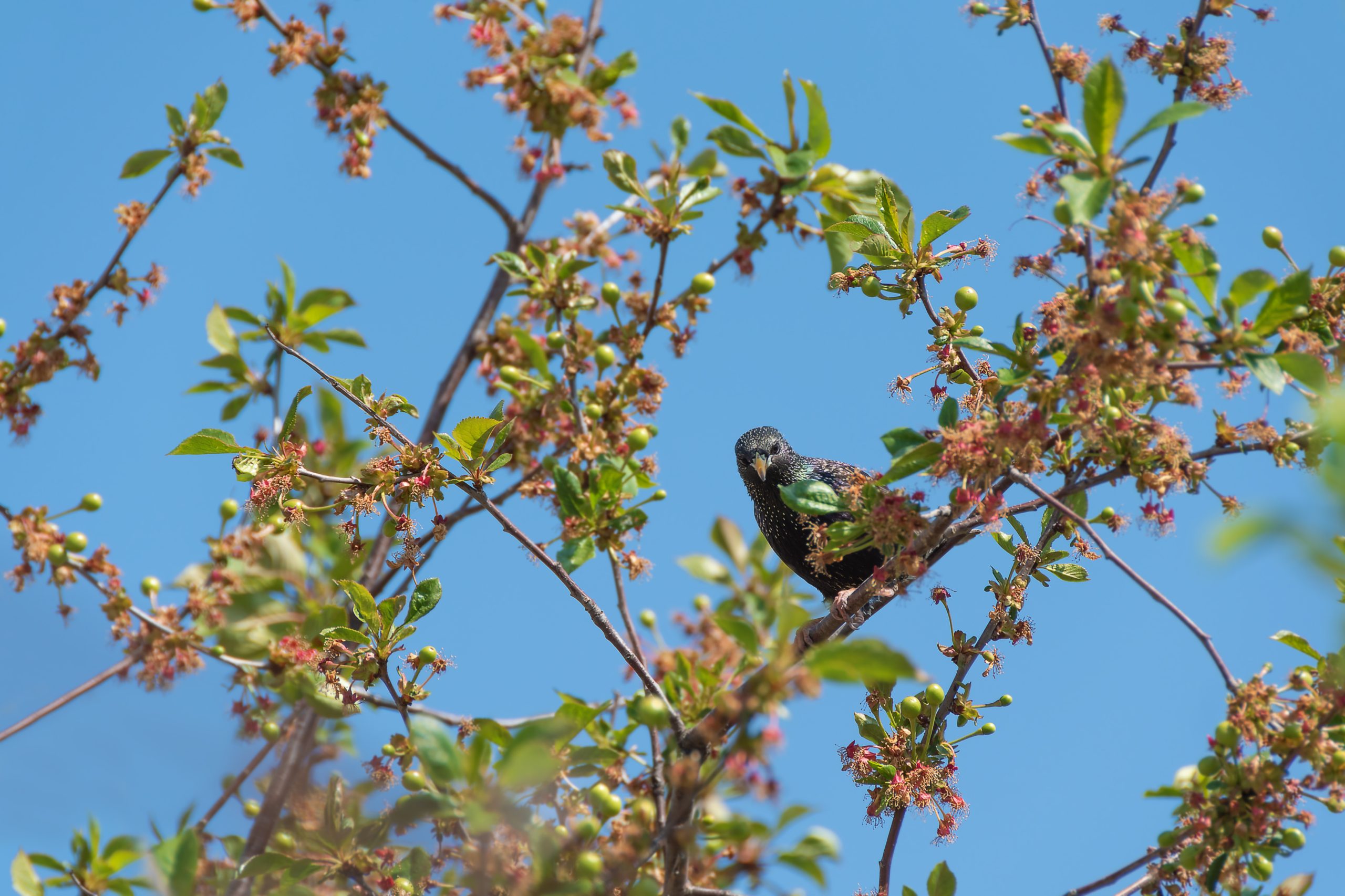
Aside from fertility, what kind of impact are the animals having on the local environment?Thomas: We started grazing a wetland area that had been left entirely untouched for eight years. It was choked with thick, dry reeds. The cows went in and cleared out the biomass, opening up the space. We ended up consulting a biologist, and he explained that this specific type of impact dramatically improves local bird populations. If you leave those reeds ungrazed for four years, the bird population plummets to almost zero because the habitat becomes impenetrable. By using the cows to manage it, the biodiversity bounced right back.
Benedict, you have legal permission to shoot your cattle directly on the pasture rather than sending them to a commercial slaughterhouse. What does that look like?Benedict: Our animals live on arable land all year round, and we rotate them to fresh pasture up to four times a day. In the mornings, they are always incredibly excited for the new grass. I use exactly that moment of routine. I stand by the fence, and the cows gather around me in a familiar half-moon shape. I identify the specific animal, stand a few meters away, and shoot him directly in the brain. He drops instantly. There is no transport, no stress, no adrenaline surge, and no panic. The rest of the herd simply walks past him onto the fresh grass. I am incredibly grateful that the law allows me to give them that clean of an end.
Is that practice legal for you in Spain, Thomas?Thomas: No, in Spain it’s currently illegal. I would prefer Benedict’s method a million times over. As it stands, we have to load ours into a trailer and drive them to a slaughterhouse. Even though our cows remain relatively calm during transport because they trust us, it’s a completely different, much more stressful experience. We are holding out hope for mobile slaughterhouse trucks that can legally come directly to the farm, but the bureaucracy isn’t there yet.
Benedict, what is the emotional toll of following an animal from birth to its death?Benedict: When I first started, it was incredibly heavy. I’d have sleepless nights leading up to a slaughter. You want to do your absolute best to make sure nothing goes wrong and the animal doesn’t suffer. I love my animals, and everything I do is designed to give them a beautiful life. But accepting that they will eventually be killed is part of the contract of working with livestock. I’ve come to realize that the more honestly you face the reality of death, the more valuable the life before it becomes.This level of stewardship doesn’t fit neatly into a supermarket pricing structure. It creates a product that looks expensive next to Styrofoam-packed supermarket meat, raising hard questions about who gets to eat well.
There is an assumption that regeneratively raised meat is strictly a luxury product. How do we make this accessible?Benedict: If you walk into a supermarket today, the cheapest meat on the shelf actually carries the highest true cost of production. It’s just that the damage to biodiversity, human health, and the climate is externalized—it’s pushed onto society and future generations. The cheap price tag is a lie. When people buy our meat, it costs more upfront, but that price includes the cost of cleaning up the environment. It’s a systemic failure; our political and economic systems should be forcing industrial producers to internalize those hidden costs.
To wrap up, what is one thing that has really made you say “What the Field?!” lately?Benedict: For me, it’s the cultural isolation of farmers. Globally, you have people doing their absolute best to produce food and energy under intense pressure, yet they’ve been completely vilified and pushed out of the societal conversation. They are looked at as the sole cause of the environmental crisis. If we want to transition to a better food system, the very first step is to bring farmers back into the community and show them some basic appreciation.Thomas: For me, it’s the climate itself. We built our entire farm plan around a forecast of slightly higher temperatures and less rainfall. But the reality has moved much faster and been far more severe than any of the models predicted. The prolonged droughts and entirely unpredictable weather patterns have made adaptation an immediate, grueling challenge.
Written by Emilia Aguirre
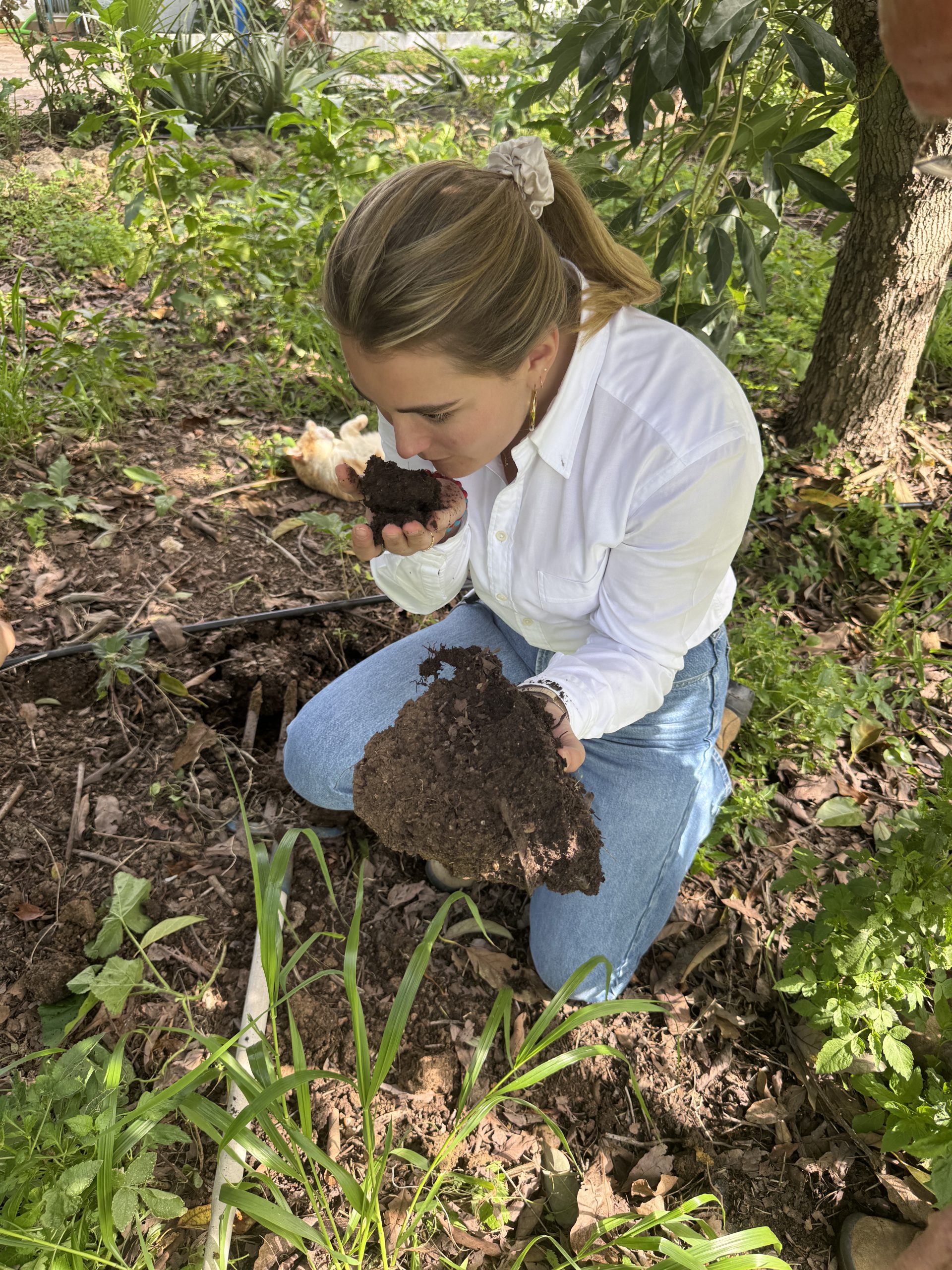
Emilia Aguirre is our Awareness & Advocacy specialist — which means she spends her days asking the uncomfortable questions about how our food is grown, priced, labeled, and sold. She hosts What The Field?!, a podcast packed with stories from the ground, hard-hitting research, and conversations with the people shaping the future of food (whether they like it or not).
Comments
Keep digging ...