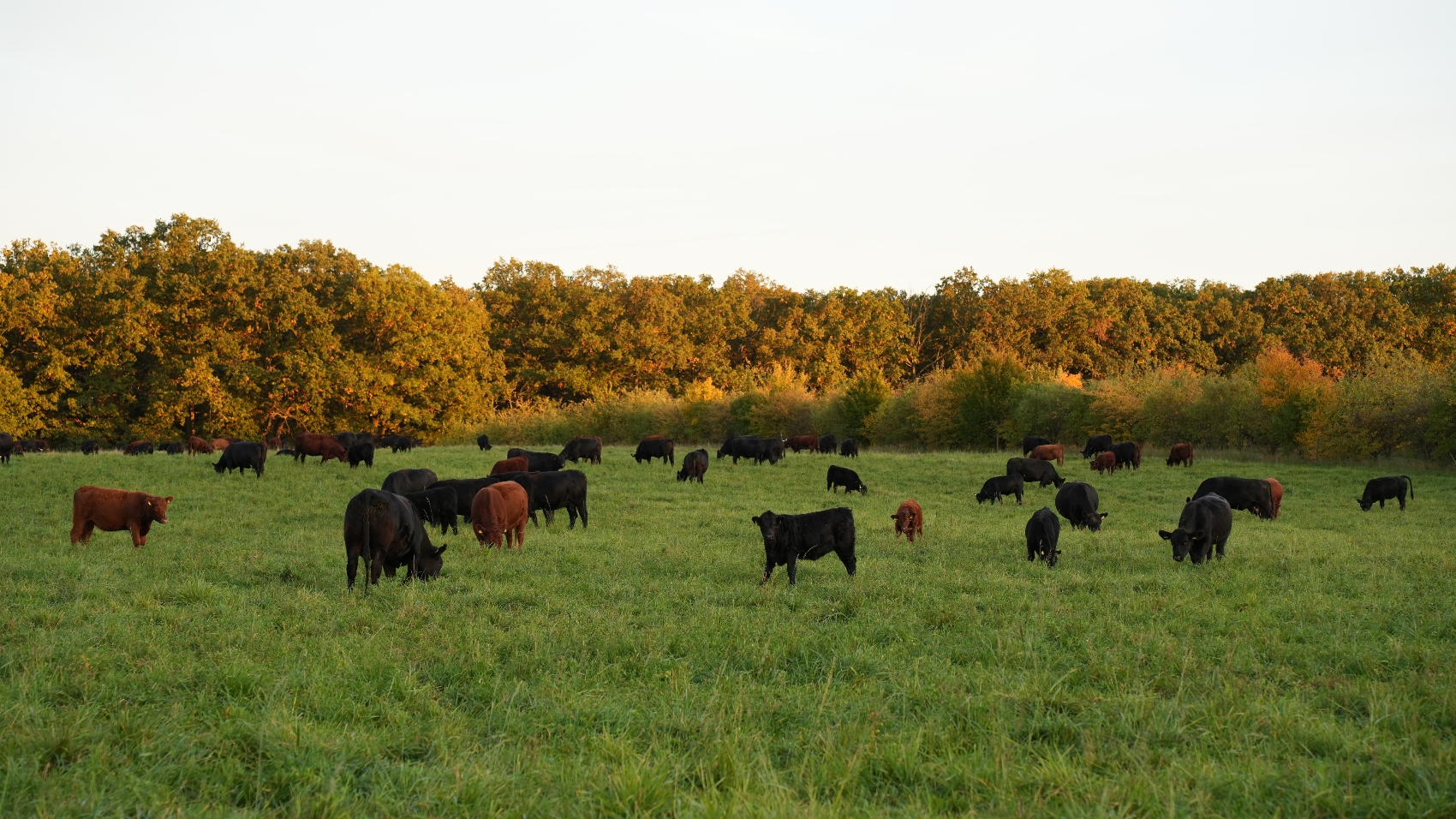
The path to a truly regenerative agricultural system often unfolds in unexpected ways. For many of our organic farmers, the journey began with the adoption of cover crops – plants grown not primarily for harvest, but to protect and enrich the soil. However, managing these cover crops, especially in complex landscapes like the terraced avocado groves of Southern Spain or the undulating terrain of vineyards where machinery access is limited, presented a new challenge. It was in seeking solutions that these farmers rediscovered an ancient ally: livestock. Animals, they found, were remarkably adept at managing these “weeds” and cover crops. But the benefits didn’t stop there. The integration of livestock brought with it a cascade of positive ecological effects. Their manure provides a natural source of fertiliser, rich in nutrients and organic matter, steadily improving soil health. The gentle disturbance of their hooves can help to break up compacted soil surfaces and tread seeds into the ground, aiding germination and plant diversity. As they graze, they trample plant matter, creating a natural mulch that protects the soil from erosion and helps retain moisture. Furthermore, animals can carry seeds in their coats and digestive tracts, contributing to the dispersal of plant species and enhancing biodiversity – a process known as zoochory. In essence, livestock became active partners in regenerating the land, contributing not only to soil health but also supporting greater biodiversity, including vital pollinators feeding on diverse pastures and increased soil microbe and earthworm populations benefiting from organic matter cycling. This rediscovery, however, highlighted another pressing issue: the scarcity of shepherds and skilled livestock managers. For generations, shepherds were the stewards of the land, guiding their flocks in a way that benefited both animals and ecosystems. Yet, a confluence of factors – including the rise of intensive farming systems, challenging economic returns from traditional sheep and goat products, the demanding lifestyle, shifting land use policies, and an ageing rural population – has led to a sharp decline in their numbers. This presented a quandary. How could we, at CrowdFarming, encourage the vital integration of livestock into regenerative systems if the very people skilled in managing them were disappearing? Or, if farm managers took on herd management themselves, how could we ignore a potential avenue to support their livelihoods, especially when it aligns so seamlessly with our model of direct connection? Simultaneously, throughout our journey into regenerative agriculture, we have encountered remarkable livestock farmers. These individuals are managing vast areas of land with inspiring dedication, ensuring the soil remains covered for most of the year, fostering biodiversity, and sequestering carbon through well-managed pasture systems. Many of them, such as Alfonso and Yanniek from La Junquera (Yanniek is also a valued member of our “1% for the Soil” committee), Sergio and his colleagues from Orgo, and Benedikt Bösel from Gut & Bösel, have shared their insights on our “What The Field!?” podcast, highlighting the profound ecological benefits of pasture-fed, regeneratively managed livestock. However, these pioneering farmers often face considerable challenges. They navigate the competitive pressures of intensive farming, the financial investment required for organic certification, and restricted access to markets that genuinely recognise and reward their dedication to superior environmental and animal welfare standards. These experiences and observations have culminated in a new step for CrowdFarming. Driven by our commitment to supporting farmers who are at the forefront of regenerative and organic practices, we are introducing responsibly sourced meat products as an evolution of our current model. By creating a stable and direct sales channel, we aim to bolster the economic viability of these farmers, supporting their transition towards, or their ability to continue, these regenerative and organic farming systems. And we are taking this step after much reflection and debate. Debate both internal and external, with people who support us in this decision and others who would have preferred we didn’t make it. I want to extend a special thanks to the group of vegans working at CrowdFarming for engaging in such constructive discussions and for presenting a well-reasoned perspective. This is a matured decision that we are making resolutely, convinced that moderate consumption of meat from farmers who share our values can help us build a more sustainable food supply chain. Who makes the cut The producers participating in this new initiative will be certified organic (or in the process of converting to organic certification), their animals will be predominantly pasture-fed, and the farms will be actively implementing measurable regenerative agricultural practices. For those unfamiliar with the terminology, it is important to clarify these terms: Organic Farming: Within the European Union, stringent regulations govern organic farming. These mandate that animals are predominantly reared outdoors with ample space, receive feed from organic sources, and that the use of genetically modified organisms (GMOs) is prohibited. Furthermore, there are strict limitations on the application of antibiotics and other veterinary treatments. These organic principles, combined with our pasture-feeding requirements, inherently exclude intensive practices such as continuous indoor confinement or feedlot finishing. Pasture-Fed: A significant portion of the EU’s organic agricultural land, approximately 44%, consists of permanent pasture. If this pasture is managed regeneratively, the opportunity to generate a positive impact on the environment is considerable. For herbivorous animals (e.g., cattle, sheep) in this initiative, their diet will consist of 100% grass and forage from these pastures. For omnivorous animals (e.g., pigs), a minimum of 70% of their diet will be pasture-based, with the remainder being certified organic supplementary feed. Crucially, the definition of pasture and forage under these standards excludes common intensive feed ingredients like grains (maize, wheat, barley), soya meal, grain legumes (peas, beans), and specific industrial by-products. Regenerative Agriculture: For CrowdFarming, this represents a commitment beyond standard organic practices, focusing on actively improving the farm ecosystem. It describes a holistic approach where the primary focus is restoring and enhancing soil health, increasing biodiversity, and improving water cycles. Livestock farmers participating in this initiative adhere to organic principles (or are in conversion), meet our pasture-fed standards, and follow the Measurement, Reporting, and Verification (MRV) protocol of CrowdFarming’s Regenerative Agriculture Program. This ensures practices lead to quantifiable positive outcomes, which are monitored and made public through our Regeneration Index. Key practices often include rotational grazing, which mimics the natural movement of wild herds allowing pastures periods of rest and recovery, preventing overgrazing and promoting soil regeneration, as well as fostering diverse pastures. Transparency is an unwavering principle at the heart of the CrowdFarming model. The authenticity of the farming practices for this new meat offering will be assured through several robust layers of verification: The official EU organic certification. An internal protocol, overseen by our agronomic teams, to ensure adherence to minimum levels of pasture-feeding. The Monitoring, Reporting, and Verification (MRV) framework integral to CrowdFarming’s Regeneration Index. Clearing the air: Methane, CO2 and N2O Conversations about livestock farming inevitably involve greenhouse gases, and some of the first arguments often include cows’ burps (against) or the ability of pastures to sequester carbon (for). It’s not as black and white, and it’s crucial to address this openly and accurately. Methane: Ruminant animals produce methane through digestion. Unlike carbon dioxide (CO2), which persists and accumulates in the atmosphere for centuries, methane is a potent but “short-lived” gas, breaking down in about 10–12 years: which means it doesn’t have the same warming effect as CO2. While global methane levels require significant reduction across all sectors (including fossil fuels and landfill), climate science indicates that eliminating agricultural methane entirely isn’t necessary to stabilise temperatures. Strategies compatible with pasture-based systems, such as improving animal health, selective breeding for lower emissions, and potentially optimising forage diversity, offer pathways for sustainable reduction. Carbon Sequestration: Well-managed grasslands and integrated systems with trees (agroforestry) have the potential to draw down CO2 from the atmosphere and store it as carbon in soils and biomass. While the exact amount and long-term permanence of sequestration is complex and varies greatly depending on soil type, climate, and management history, focusing on these practices contributes positively to soil health and ecosystem resilience, even beyond the carbon benefit. CrowdFarming focuses on verifying these practices known to build soil health, rather than making specific farm-level carbon negativity claims, which remain challenging to substantiate definitively year-on-year. Nitrous Oxide (N2O): A long-lived and potent greenhouse gas, N2O emissions in agriculture are strongly linked to the use of synthetic nitrogen fertilisers and manure management. By requiring organic certification (eliminating synthetic fertilisers) and favouring pasture-based systems (reducing manure concentration), our approach inherently lowers N2O risks compared to intensive models. Furthermore, integrating nitrogen-fixing legumes like clover into pastures can significantly reduce or eliminate the need for external nitrogen inputs, further mitigating N2O emissions. Offering a better alternative This initiative extends beyond merely introducing a new product category. Its core purpose is to provide tangible economic support to farmers who are leading the charge in ecological and regenerative livestock systems. By establishing this direct channel, we aim to furnish them with a degree of predictable income, thereby strengthening their financial stability and enhancing their capacity to maintain and expand practices that yield substantial benefits for our shared ecosystems. We understand and respect that individuals choose vegetarian or vegan lifestyles for a variety of environmental and ethical reasons, and there’s many of us in CrowdFarming following this way of life. Indeed, major scientific bodies like the Intergovernmental Panel on Climate Change (IPCC) have highlighted that shifts towards balanced diets, including a reduction in the overall consumption of animal-sourced foods – particularly those from high-emission systems – can contribute significantly to mitigating greenhouse gas emissions and lessening environmental pressures. However, many people continue to include animal products in their diet and are actively seeking high-quality meat that aligns with their values regarding animal welfare and environmental stewardship. This search for quality is supported by research indicating nutritional differences in the resulting meat and dairy. Studies have shown that products from animals raised predominantly on pasture, compared to those fed grain-concentrate diets, tend to have higher levels of beneficial omega-3 fatty acids, a more favourable omega-6 to omega-3 ratio, higher levels of conjugated linoleic acid (CLA), and higher concentrations of certain vitamins like E and some B vitamins. For these consumers, finding and verifying products from farmers employing robust organic, pasture fed and truly regenerative methods often remains a significant hurdle. We view this initiative as a significant opportunity to raise awareness among consumers about the positive impacts of well-managed, integrated livestock within regenerative organic agriculture. It also serves to highlight the distinction between these farming models and other systems that can have more detrimental environmental and animal welfare outcomes. We are convinced that by fostering a deeper understanding and providing direct access to these thoughtfully produced products, we can play a part in encouraging more farmers to embrace these beneficial philosophies of land stewardship. It also empowers consumers to make informed decisions about the origin and production methods of their food. This expansion is a carefully considered evolution for CrowdFarming, reinforcing our unwavering commitment to forging an agri-food chain that is more fair, sustainable and resilient. By providing direct access to meat from farms adhering to these rigorous organic, pasture-fed, and verified regenerative standards, we empower consumers to make informed choices that directly support farmers investing in animal welfare and ecosystem health. We are enthusiastic about embarking on this new chapter with our community of consumers and farmers.