Published January 2026
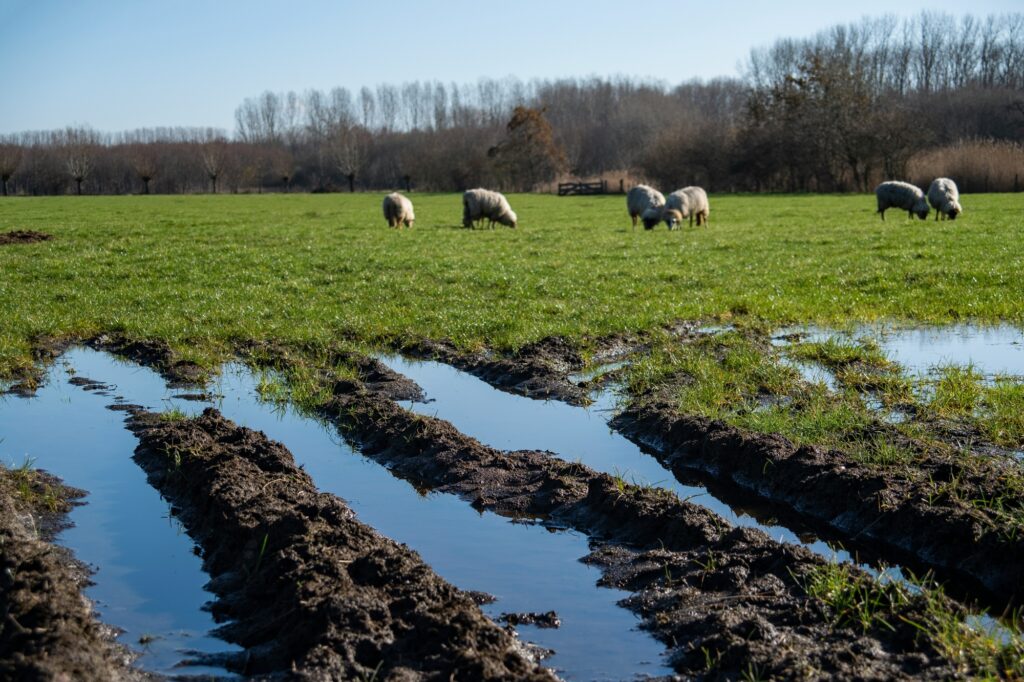
Wet July – sodden meadows and sunburned apples
I live in Madrid, and I am currently visiting Germany for a few weeks. I’ve packed mostly dresses and shorts in my suitcase — it’s summer, after all, and it’s been over 35 °C in Madrid for weeks. The last time I wore trousers was in May.
It’s been raining in many parts of Germany for several weeks now, and after the heat waves in Spain, where it’s hard to sleep at night, I’m glad for the break.
But I’ve been here for three weeks now, and I’ve only worn my summer clothes once. In conversations with the team in Madrid, the question comes up: “Isn’t rain exactly what we need right now?” The answer is: Yes — but it depends on when and how it falls.
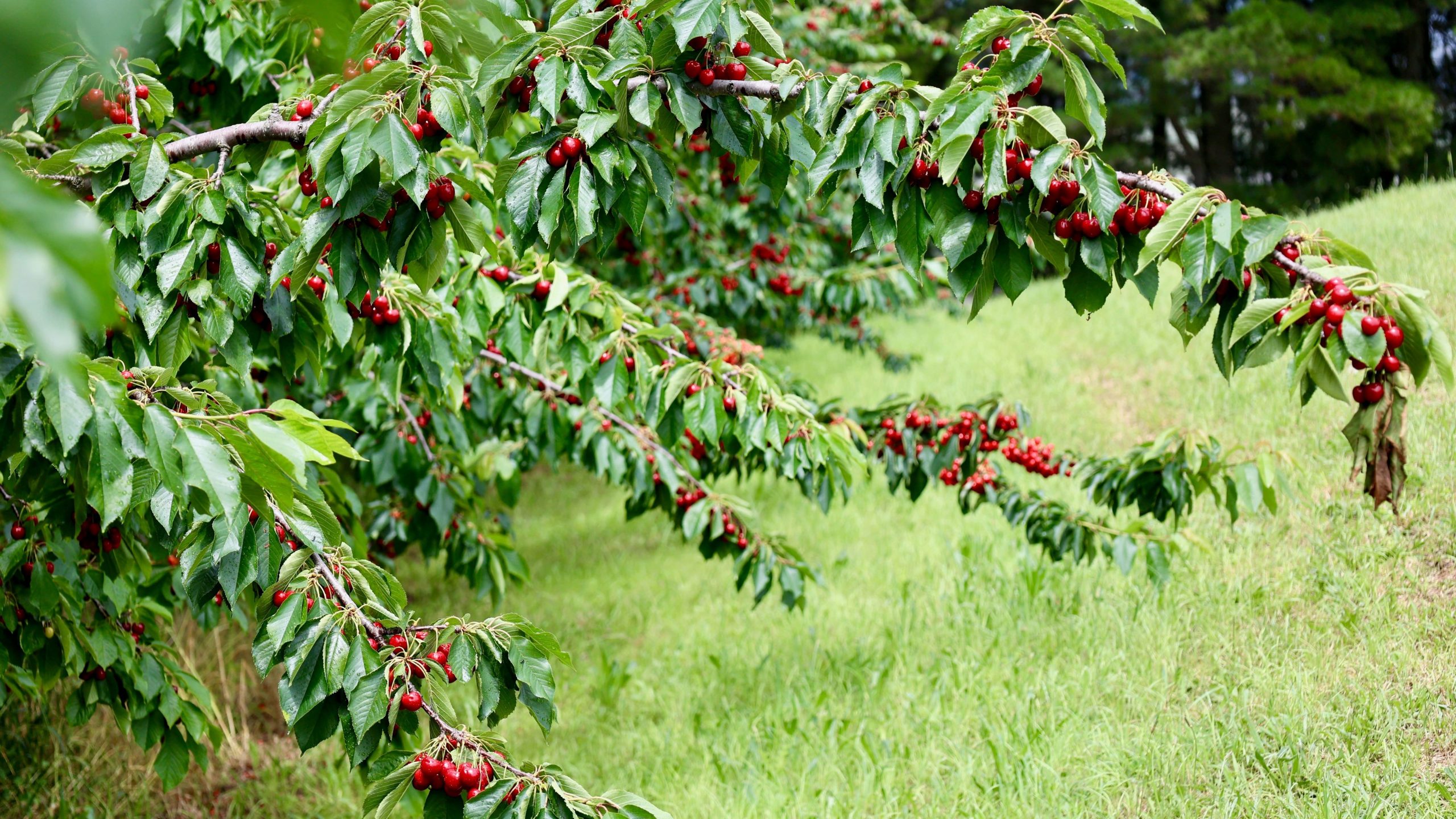
According to the German Meteorological Service (DWD), we are experiencing one of the driest years on record. But when we talk about climate change, we also have to talk about rain. There’s no question that it’s too dry and that we’re grateful for precipitation. Things get difficult, however, when the rain is absent in spring, when it’s needed for the growth of many plants, and only falls in summer – and in large quantities, right when the harvest is due. In summer, grain is harvested, silage and winter feed are produced, potatoes grow in the ground, and delicate summer fruit hangs on bushes and trees.

I talk to Sven, an apple farmer from Biohof Bentelson at Lake Constance, and he reminds me of the late frosts last spring: “Fifteen years ago, they didn’t happen at all, or only once every 15 years. We have them every year now, which means we have to take out extremely expensive insurance policies. The frosts cause crop losses, and that has definitely changed.” At the same time, the prolonged rainfall was positive for him, as he doesn’t harvest his apples until September. The plants are stressed because of long dry periods, subsequent heavy rainfall, and back to dry periods. This imbalance, the increasingly frequent alternation of extremes, is a sign of climate change.
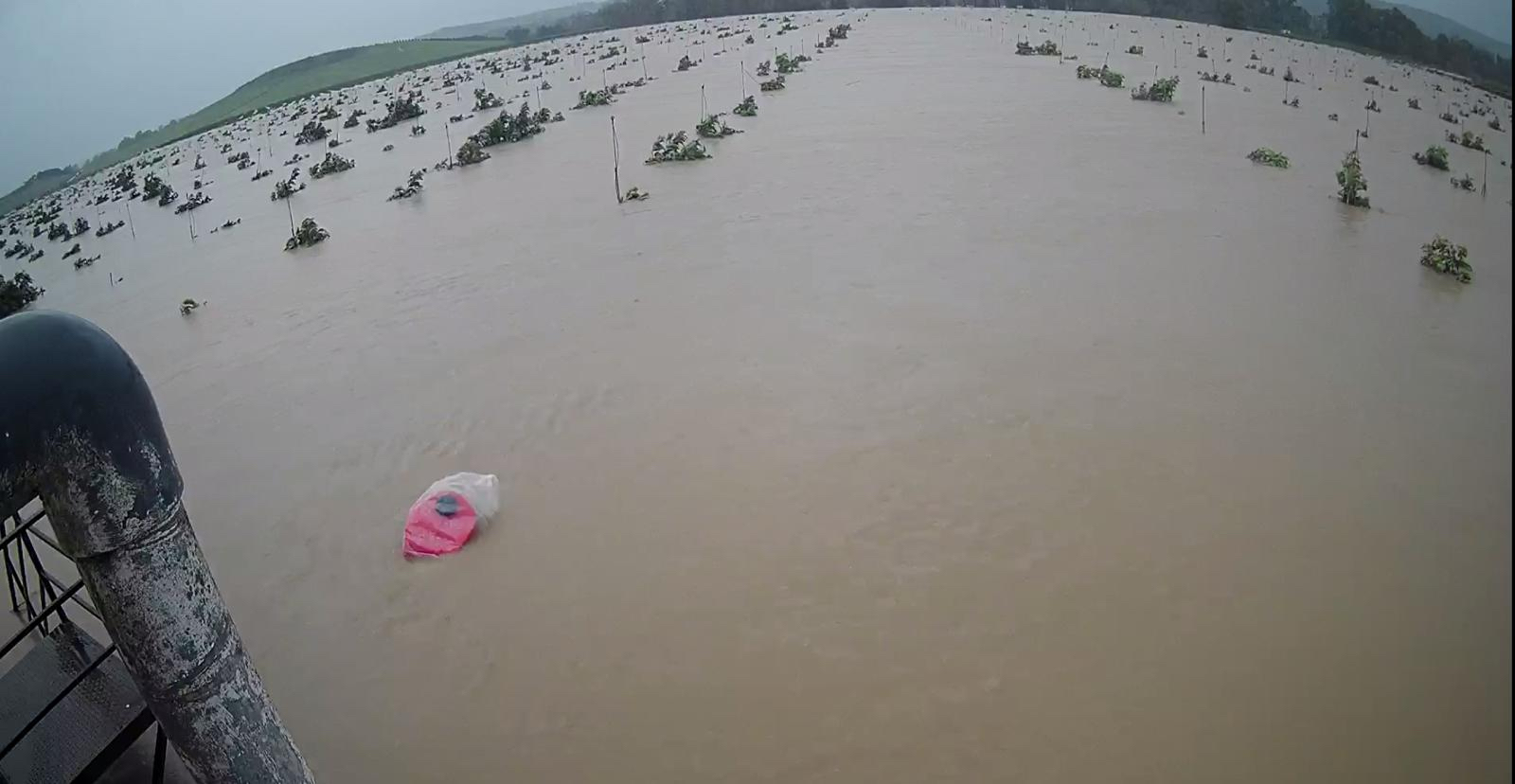
Snippets of our debate about the heavy rain falls in spring with some of our Spanish farmers come to mind – the recording can be found here. For many, the rain was a blessing, positively impacting the summer and fall harvests, and many of our farmers have invested in huge rainwater collection basins in recent years to be able to irrigate independently during the summer months. Water consumption is often regulated in Spain, and only a certain amount can be used to irrigate agricultural land. This year, the local reservoirs are up to 85% full. Other farmers have lost fresh seedlings or, like cheese producer Antonio, entire fields of winter fodder for their sheep because melting snow and rain caused nearby rivers to overflow their banks.

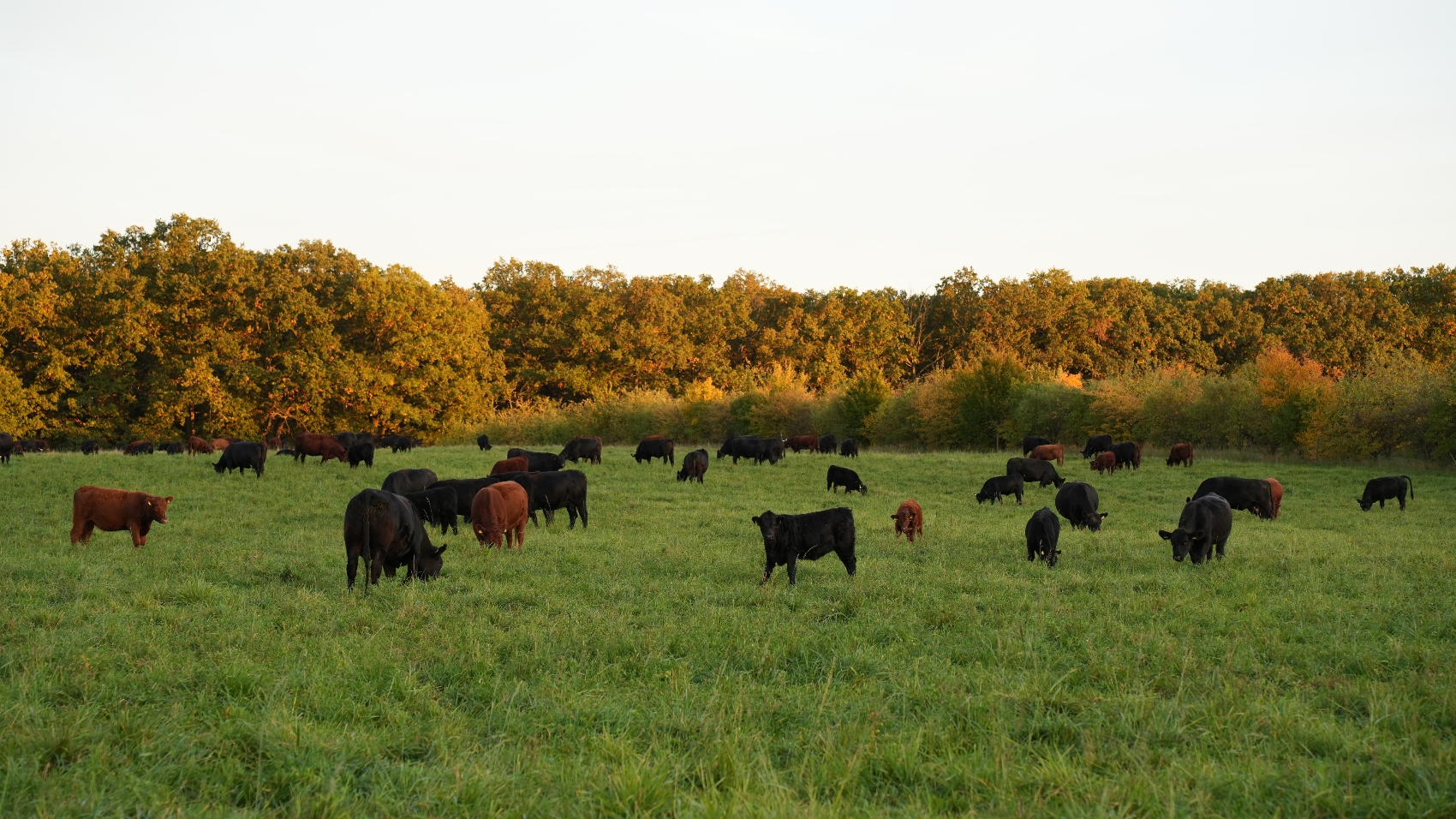
During my visit to cheese producer Linda Becker from Bauer Freigeist, she tells me how damaged parts of her pasture have become and that on some days, the cows are out for fewer hours so the turf can dry out and recover.
The rain doesn’t bother the cows per se, but it does make harvesting the wheat and grass more difficult – preparing for winter, and important minerals like phosphorus and nitrogen dissolve and are washed out of the soil.
For Felix from Rieckens Eichhof farm, the rain is problematic because his pasture isn’t drying out either, but he also explains how important it is for consumers to understand that climate and weather determine daily work in the fields. If fact, nothing determines agricultural work more than the weather. Raising awareness of this is perhaps even more difficult than getting the pasture dry.
As I write this blog post, temperatures are rising to as high as 35°C in large parts of Germany. Sven explains to me that his apples are now getting sunburned – two weeks before harvest. The white dots are a “natural sunscreen” made from porcelain rock powder to reflect the sun’s rays.

When I sit outside in the evenings, I can hear the combine harvesters until late at night. This means farmers are making the most of the time they have while no further precipitation is forecast.
Linda, Sven, and Felix are participating in our 1% for the Soil initiative, where we accompany farmers in their regenerative transition. A dense ground cover retains water, prevents nutrient run-off, and, ideally, helps reduce erosion.
When rereading this blog post in today’s heat, I get goosebumps. Because I have a rain jacket, I can put on sunscreen, drive to the quarry lake, and if necessary, I can buy my potatoes elsewhere – but for the farmers, it’s their livelihood that’s at stake.
Written by Magdalena Werner
I'm Magdalena, a Farmer Ambassador. I've been working at CrowdFarming for eight years, and after seven years in customer service, I'm now part of the sustainability and awareness team, sharing the farmers' stories and taking you on a journey through their daily lives in the fields.
Keep digging ...