
Menu
Close
Search
EN
Return
Open Field Notes
Reports straight from the field: everyday stories, harvest successes – and setbacks – as well as farmers’ own words.
Latest in Field Notes
3 min
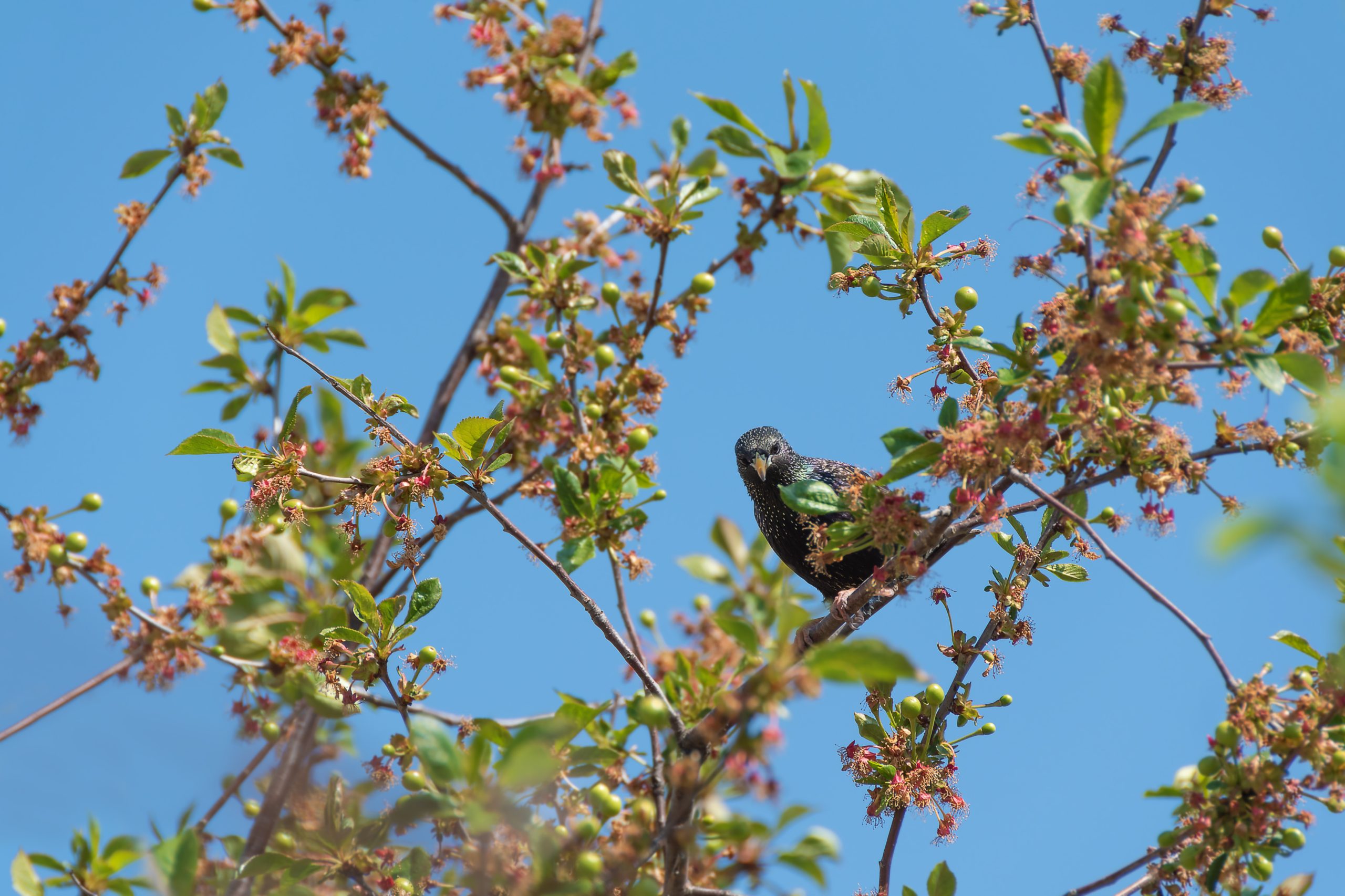
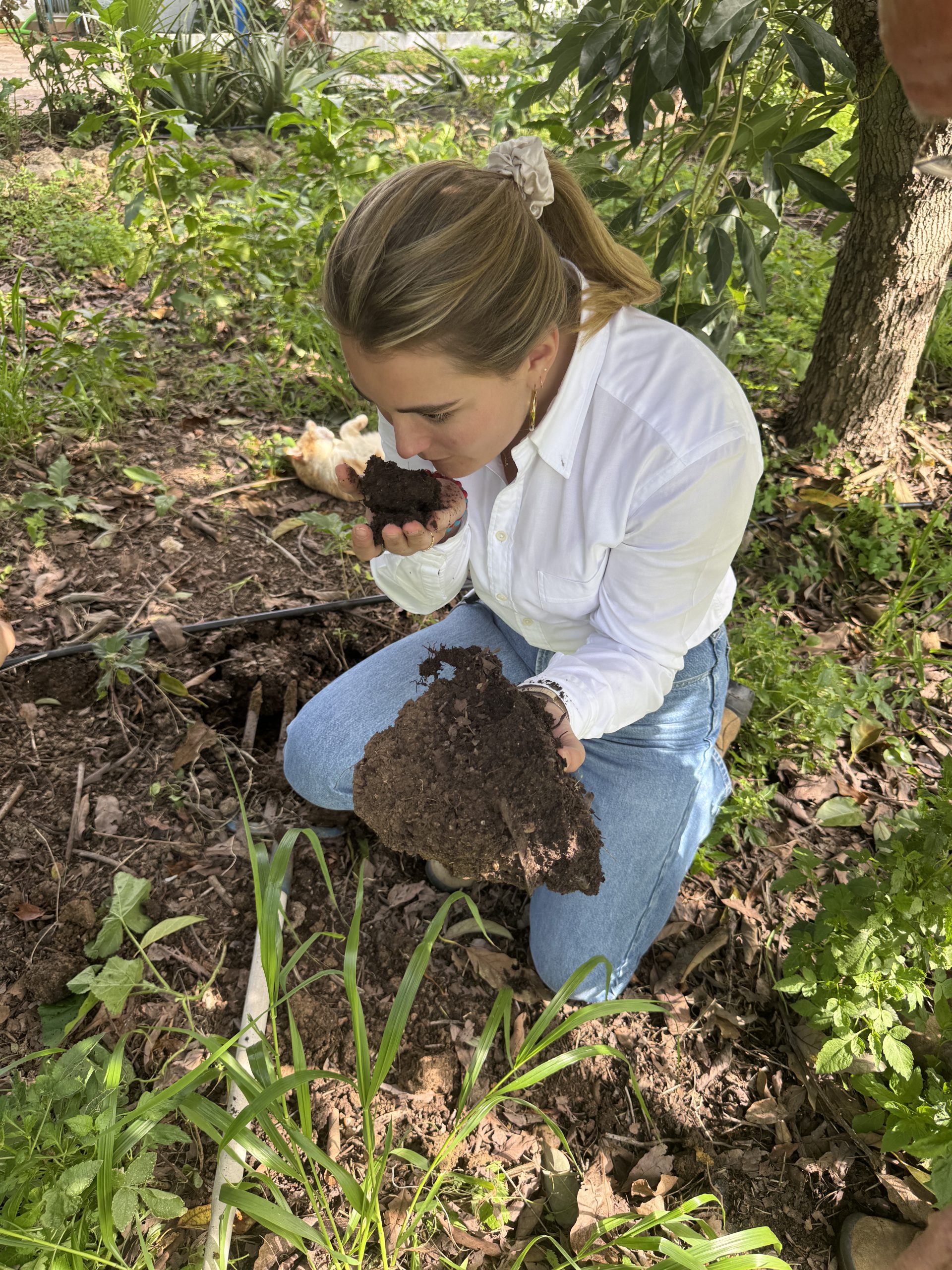
If you take a stroll with Friedrich across his farm near Gibraleón today, the first thing you’ll notice is the noise: a literal wall of birdsong. But behind this idyllic scene lies a radical choice made years ago—one that flew right in the face of convention. Today, having held Demeter certification since 1994, he’s living proof that his “madness” was the only logical response to the crisis facing our soil.Forty years ago, Friedrich fell in love with Finca Jelanisol-Montebello during a trip to Spain. At the time, he was working as a middleman for conventional fruit and veg. Two things happened back then that made him stop and think: A friend gave him a book on permaculture by Bill Mollison, which sparked an idea. While visiting a farm in Italy, he found himself desperately digging for earthworms. When the farmer told him there weren’t any “because you don’t need them,” Friedrich began to question everything. A Holistic Vision: Everything is ConnectedFor Friedrich, farming isn’t an isolated job; it’s part of a much bigger picture. He holds a deeply philosophical, holistic view of the world where everything—from soil microbes to the end consumer—is linked. He doesn’t see his farm as just a production site, but as a living organism where people and nature live in harmony. In his eyes, a peaceful society can only exist if we produce in tune with nature. If we get it right, there’s enough for everyone—we just can’t afford to destroy the foundations.One of the biggest things driving Friedrich is a deep-seated worry about the state of the modern diet. He explains that much of the food we eat today is “empty.” By this, he means conventional produce that, thanks to pesticides and long storage times, has lost any real nutritional value. He lives by the rule: Healthy Soil = Healthy People. Only living, regenerated soil can produce fruit that actually nourishes the body.One of the first things Friedrich did was build a large pond—not for irrigation, but purely for the birds, frogs, ducks, and fish. It also acts as drainage during heavy rain. They produce their own organic fertiliser using microorganisms, supplying the trees with a steady stream of minerals through a drip irrigation system.
Open Society
Where farming meets society: EU policy, supermarket dynamics, prices, and food culture explained.
Latest in Society
4 min
Open Regenerative farming
What regenerative farming means in practice: beyond the buzzwords, articles with evidence on soil health, water cycles, biodiversity, and farmers' livelihoods.
Latest in Regenerative farming
10 min
Open CrowdFarming
This category gathers articles related to CrowdFarming: our model, our data, and our impact.
Latest in CrowdFarming
Written by Gonzalo Úrculo, farmer, CEO and co-founder of CrowdFarming. Note: I wrote this text as an internal document to align the people who work at CrowdFarming every day. For a couple of years now, I have also shared it with our community of farmers, customers, and suppliers.At the end of the article, you will find a glossary explaining the meaning of technical terms or internal jargon marked with an asterisk (*) throughout the text. Has sustainability gone out of fashion?I haven’t read company statements on sustainability on LinkedIn or in the press for a while. It’s as if sustainability managers have now transformed into AI gurus. It very much looks like the sustainability that was done for outward appearances has lost momentum in the corporate world. And this, in my opinion, is positive because it reduces noise and allows actions to speak for themselves. Corporate sustainability is a competitive advantage when it is part of a company’s culture. Well-applied sustainability achieves positive and sustained effects over time on business metrics. During this first half of the year, we have managed to reach these business metrics, not through a one-off effort but through constant drive in the same direction: 2,969 farmers selling their harvests at a fair price. Soil analysis conducted on 47 new farms to measure the impact of regenerative practices, and designing an agronomic programme together with the farmers to increase their soil’s natural fertility in the long term. With these 47, there are now 100 farms within our regenerative organic farming programme. €1,794,784.43 in sales of fruits and vegetables in conversion to organic. Receiving a fair, predictable, and stable price is especially key when a farmer is in the delicate phase of conversion to organic because their trees usually experience a drop in productivity. 25% increase in sales of All Is Good* (our brand of processed products) compared to last year. And furthermore, we are starting to see the results of our efforts at an economic level. For the first time in 5 years, we have finished the first half of the year with positive EBITDA*, and growing at double digits. Betting on the direct production and sale of organic products is profitable. To achieve this positive EBITDA*, we have all had to make sacrifices and prioritise spending items well.An example of this is that we have not renewed our B Corp* seal. It was a difficult decision because this seal has positive aspects. Renewing the seal cost €16,000 this year and, thinking clearly, although it’s cool to have a company audit the sustainability of your operations, we saw that we weren’t getting the most out of it and that this money (a scarce resource in our startup) could be dedicated to more farmer training and to raising the salaries of some profiles in our team. We do not rule out getting recertified in a couple of years. Successes to celebrate from the first half of the yearSuccesses must be celebrated. Especially those you pursue, but also those you achieve almost by accident. I have found that when you surround yourself with good people, the mission that unites you is pure, motivating, and ambitious; along the way, good things happen that you didn’t even count on. We do not have a goal to reach a certain percentage of young farmers selling through{Brand} CrowdFarming but we were very excited to see that, naturally, we have achieved a metric that is well above average.
Open Research
This section gathers our in-house research papers and studies that put data behind the promises of regenerative agriculture.
Latest in Research
1 min
Open Recipes
Seasonal and sustainable recipes from our farmers, eaters, and team. Waste less, taste more.
Latest in Recipes
min
Looking for more? We’re just an email away.
Read more >
Discover more content in these categories: