

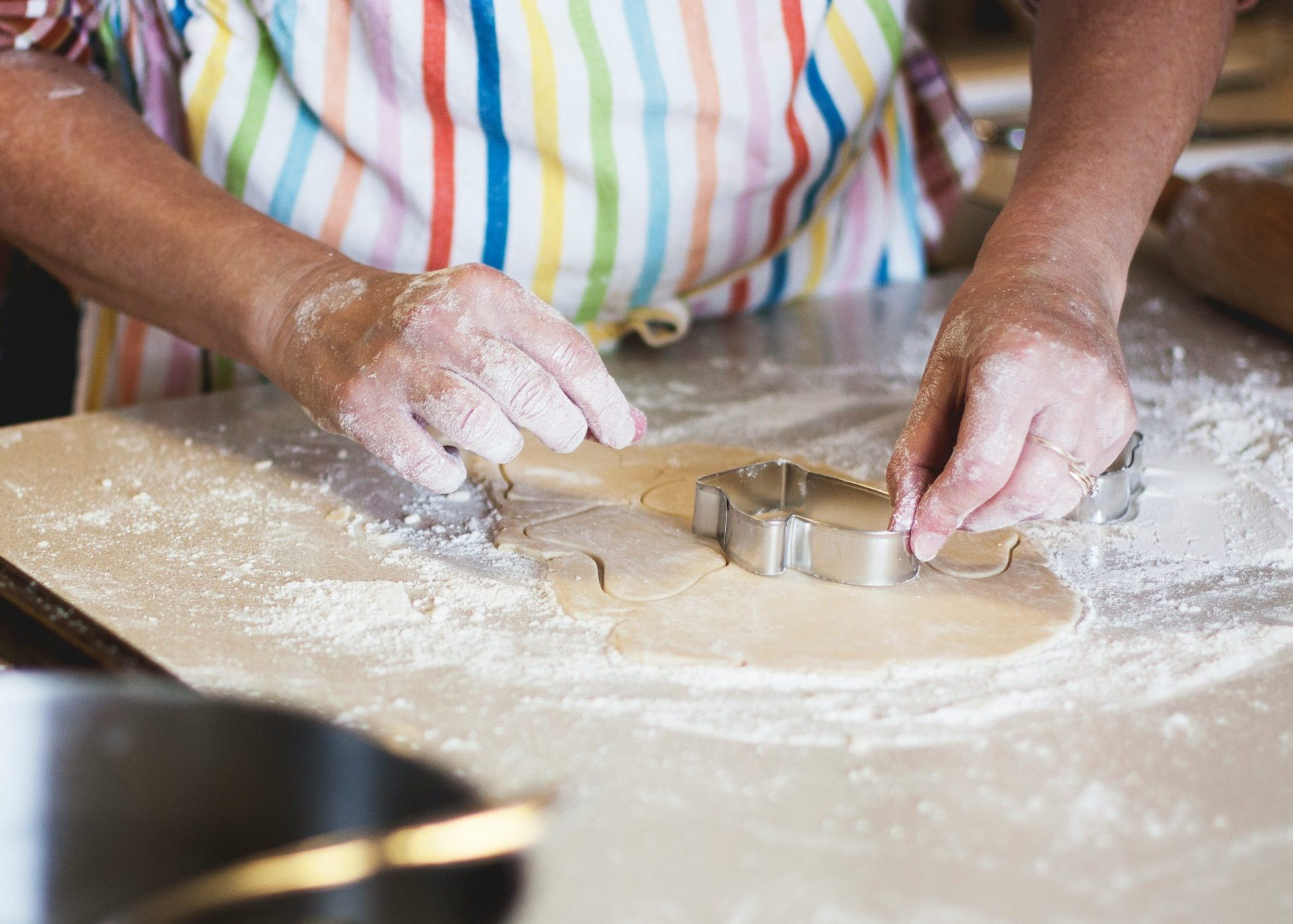
"Add 100 g melted butter and 1 egg. Mix, shape into balls and bake at 180°C for 12 minutes."
Published November 2026
Edible homemade gifts: three recipes with seasonal citrus
There’s a better pre-Christmas plan than fighting over the last parking spot at the mall and trudging through it loaded with bags: turning a box of oranges into three gifts that taste like December. Winter fruit is at its best, and with oranges, sugar and a few jars, you’ve got homemade, original gifts that you can prepare ahead of time or whip up as a last-minute solution.
Here are three ideas that keep well, travel well by post and take little to prepare. And there’s one detail that changes everything: which orange you start with.
Homemade candied orange
Spiced citrus marmalade
Ready-to-bake cookie mix
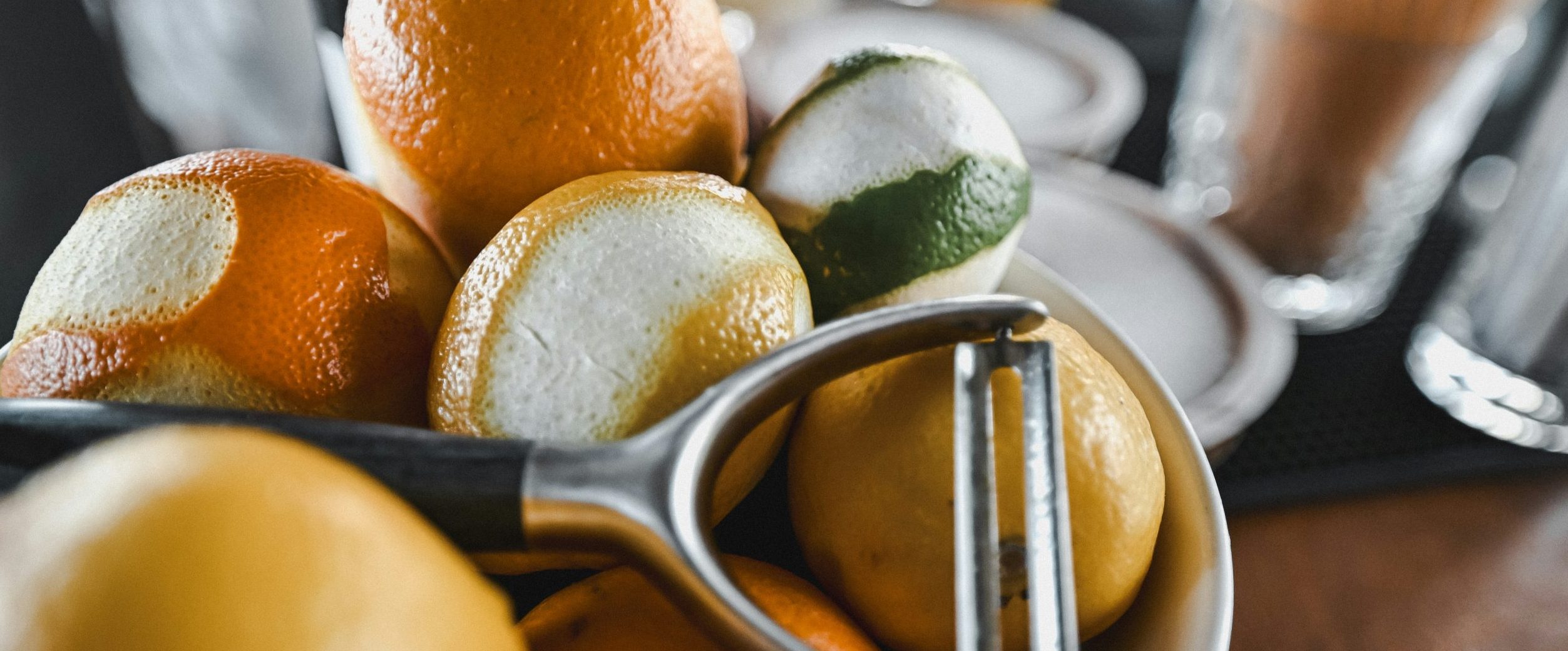
The peel: why does almost no one use it?
In candied fruit and marmalade, the peel is the star. And there’s a recent debate around this: this autumn, the papers once again raised the question of whether it’s a good idea to eat citrus peel and zest, given the pesticide residue it can contain. The Guardian ran an article on it in October.
The short answer: with organic citrus, free of wax or post-harvest treatments, you can eat the peel without any worries. That’s why these recipes call for organic fruit and, even better, fruit bought directly from the grower, where you know it arrives unwaxed because they don’t need tricks to keep the fruit fresh for weeks; it reaches you within days. Look for the organic label, and the shorter the chain between the tree and your kitchen, the fewer odd things end up on the peel.
Homemade candied orange
You can make it a few different ways: slices for dipping in chocolate, and strips of peel, the classic kind used in roscón and panettone.
Ingredients
- 3 organic oranges
- 400 g sugar
- 400 ml water
Want it sweeter? Add chocolate
Melt dark chocolate in a double boiler, dip half a slice or the strips of peel in it, and leave them to cool on baking paper.

Method
- Wash the oranges and cut them into thin slices, about the thickness of a two-euro coin. Remove the seeds.
- Boil them for 1 minute in water to remove the bitterness, then drain.
- Heat the water with the sugar until dissolved: this is your syrup. Add the slices and cook over very low heat, without letting it bubble, for 45 minutes to 1 hour. The peel should turn almost translucent.
- Take out the slices and leave them to dry on a rack for a full day, at room temperature in a dry spot, since humidity will make them sticky.
Storage
In a sealed jar, kept somewhere cool and dry, they’ll keep for several weeks. Covered in the leftover syrup from cooking them, even longer. Don’t throw out that syrup — scented with orange, it’s great in cocktails or for soaking a sponge cake.
How to gift it
Presentation is key here, so give it some thought: it’s not “orange peel in a jar,” it’s the peel from your orange, from a farmer with their own story. You can add a label with the date and, if you like, who grew the fruit and where it came from.
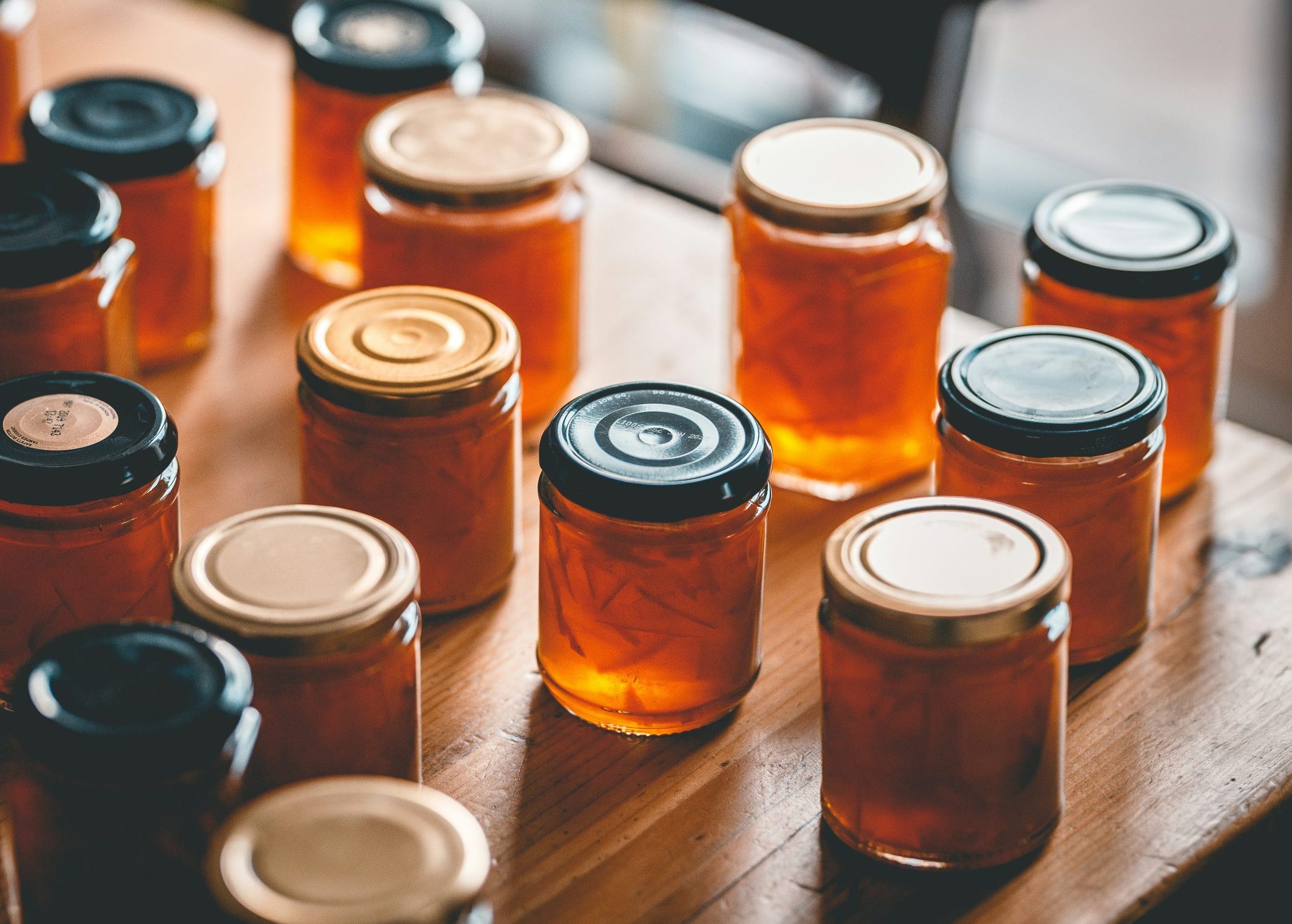
Christmas citrus marmalade
Hardly anyone gives marmalade as a Christmas gift, which is odd: it takes an afternoon to make, lasts for months, and mixing different citrus makes it uniquely yours.
Ingredients
- 500 g mixed citrus (orange as the base, then whatever else you have: mandarin, clementine, grapefruit)
- 400 g sugar
- 1 cinnamon stick (optional, to taste)
- 1 star anise (optional, to taste)
Method
- Wash the fruit. Peel the orange, taking off only the orange layer of the skin, without the white pith underneath, which turns bitter. Cut that peel into thin strips and set it aside on a plate: you’ll add it later, in step 3.
- Chop up the flesh, removing seeds and the white pith, which turns bitter.
- Put the flesh, peel, sugar and spices in a pot. Let it sit for 30 minutes so the fruit releases its juice.
- Cook over medium heat for 40 to 50 minutes, stirring, until it thickens. To check if it’s ready: put a drop on a cold plate for a few seconds; if it stays thick and doesn’t run like water when you tilt the plate, it’s done.
- Remove the cinnamon and star anise. Pour into sterilized jars while hot and seal them. Turn them upside down for a few minutes: the heat creates a vacuum seal, so the marmalade keeps for much longer.
Which citrus to combine
Orange as the base, clementine for sweetness, a touch of lemon so it’s not too sweet. If you get your hands on bitter orange, a couple of segments give it that English marmalade edge. The lemon? It’s not essential — it’s there to cut the sweetness; if you prefer it milder, leave it out.
Storage
Vacuum sealed (jar turned upside down when filling), it keeps for months in the pantry. Once opened, keep it in the fridge and use within a few weeks.
Cookies in a jar: the ready-to-bake mix
The gift with a twist: you’re not giving cookies, you’re giving a jar with everything measured out in layers so the person receiving it just has to bake. And along with it, you’re giving them the plan too: an afternoon of baking, with the house smelling of butter and orange.
Ingredients (for a 1-litre jar)
- 200 g flour
- 100 g brown sugar
- 100 g chocolate chips
- 1 teaspoon baking powder
- 1 pinch of salt
- Dried zest from one orange (optional, but it makes this cookie recipe extra special for this time of year).
Method
- If you’re using zest, dry it first: grate only the orange layer of the peel (not the white part) and leave it on a plate at room temperature for a few hours, until it loses its moisture and becomes loose. This stops the mix from clumping or spoiling in the jar. Another option if you want to save time: you can also dry it in the oven at a low temperature (around 80°C, 10-15 minutes) instead of letting it air-dry for a few hours.
- Layer the ingredients into the jar, pressing down each one so the layers stand out clearly: flour with baking powder and salt, then sugar, then chocolate and zest on top.
- Seal the jar.
The label (what you need to add)
Write on the label what the person receiving it needs to add and how to bake it. Here are the steps — feel free to get creative with how you word them:
Storage
The dry mix keeps for 2 to 3 months in the jar. The perfect gift to have ready before the December rush catches up with you.
All three come from the same thing: a box of seasonal oranges. Choose organic fruit and, if you can, buy it directly from the grower, so you can eat the peel without a second thought. With that, a few jars, and a bit of creativity to tell its story, a single box turns into three very personal, very seasonal gifts — the kind people remember!
How to package and ship kitchen gifts
- Jars: always sterilize the ones for marmalade, boiling them for 10 minutes, so it keeps. For candied fruit and cookies, any clean, dry jar will do.
- Labels: add the preparation date and, for the marmalade, “consume within a few weeks of opening.” For the cookies, the baking instructions.
- Shipping by post: the dried candied orange and the cookie mix travel without any problem. Marmalade, well sealed and wrapped in bubble wrap, also travels fine. Avoid sending candied fruit while it’s still damp from the syrup.
Frequently asked questions
How long do homemade kitchen gifts last? It depends on the recipe. Candied orange keeps for weeks; vacuum-sealed marmalade, for months; the cookie mix in a jar, two to three months. They’re all gifts you can prepare ahead of time.
Which oranges work best for candying? Organic and unwaxed, since you’ll be eating the peel. Ones bought directly from the grower, which arrive untreated after harvest, work best.
Can they be sent by post? Yes. The dried candied orange and the cookies in a jar travel without any problem. Marmalade, well sealed and packaged, also travels fine.
What do I do with the leftover syrup from candying? Don’t throw it out. It’s left scented with orange and works great in cocktails, for soaking sponge cakes, or for sweetening tea.
Written by Cristina Domecq

Cristina Domecq is the Head of Impact at CrowdFarming. She operates where the boardroom, the field, and social conversations converge, convinced that the clues to fixing the food system are revealed in that intersection. Her goal is to achieve a behaviour change that sticks—a mission that only works if both farmers and consumers are truly on board.
Comments
Keep digging ...