Looking for more? 

We’re just an email away.

Society

min

Published January 2026

Birds, biodiversity, and broken food systems

At a glance

Bird populations are collapsing—and the food system is part of the problem. Here’s what you’ll learn:

  • Why farmland birds are disappearing across Europe
  • How regenerative farmers are restoring habitats
  • What you can do—from your kitchen to your garden

A silent spring in the making?

In conversations around climate change, energy and emissions often dominate the headlines. However, a quieter, equally urgent crisis is unfolding in our skies: Europe’s bird populations are vanishing. According to a 2021 study published in Ecology and Evolution, Europe has lost nearly 600 million birds since 1980, with more recent estimates putting the number closer to 800 million across the continent.

In the latest episode of What the Field, Ariel Brunner, Regional Director of BirdLife International, calls this decline a “planetary red flag.” Birds are not just charismatic symbols of nature—they are key indicators of ecosystem health, and their disappearance reveals systemic dysfunction in the landscapes that produce our food.

“We are losing nature at a speed the planet hasn’t seen in 65 million years.” – Ariel Brunner

The canary in the cornfield

While some species like pigeons or crows adapt well to urban sprawl, farmland birds—once common sights in Europe’s rural areas—are experiencing the steepest decline. The European Bird Census Council reports that 50–60% of farmland birds have disappeared in just a few decades. Species like the skylark (Alauda arvensis) and the grey partridge (Perdix perdix) are now on the brink in many regions.

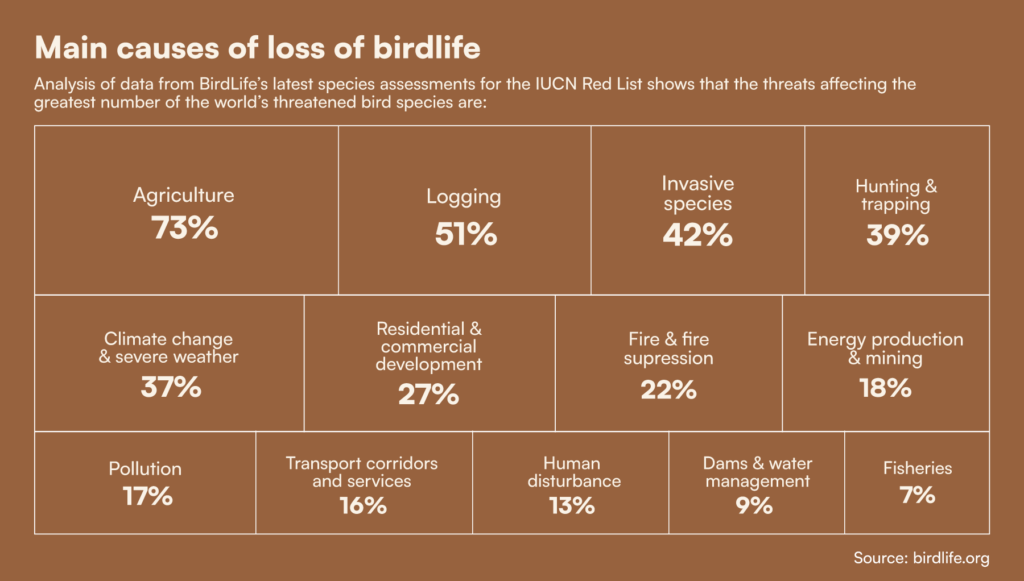
A big reason for this is modern industrial agriculture. Ariel lays it out: monocultures, widespread pesticide use, nitrogen overload, the removal of hedgerows, and the sterilisation of soil have turned vibrant ecosystems into what he calls “green deserts”: fields that are visually lush, but ecologically barren.

“If you grow one crop on very big surfaces, you create a very simplified habitat that doesn’t give anything to most of the species. In essence, you should think about it like this: we get from the sun one photosynthetic cake, and the whole  biosphere eats from that cake. We are in a situation in Europe today where we humans take between 75 and over 90% of that cake, and it’s like in a party,  if one boy comes in and eats the whole cake,  all the other boys and girls get nothing. And this is from a purely kind of thermodynamic point of view, what we are doing today.” – Ariel Brunner

Locked-in systems, locked-out change

A central challenge, Brunner says, is that most farmers and consumers are locked into the current industrial system. Farmers face pressure and debt that ties them to the status quo. Their only advisors are often agrochemical sales reps. Meanwhile, consumers aren’t always sure how to make the right choice for their wallet, their health, and their environment. And behind this locked-in system lies enormous political power.

“The intensive farm lobby is one of the most powerful in the world. It has effectively captured the political system in Europe.” – Brunner

BirdLife’s mission isn’t just to protect birds—it’s to unlock this system. From local pilot farms to EU policy reform, their work spans scientific research, on-the-ground partnerships, and advocacy.

birds in a rice paddy

Regenerative Farming: bringing birds back

Bird-friendly farming doesn’t require every farmer to be a birdwatcher. But it does require a shift in mindset—from maximising yield at all costs to designing resilient, shared ecosystems. Regenerative-organic agriculture not only avoids the harm caused by industrial practices—it actively restores ecological balance. Here’s how regenerative farmers are making their land bird-friendly again:

  • Planting cover crops: keeps soil alive year-round, boosts insect populations (essential bird food), and reduces erosion.
  • Hedgerows and field margins: Provide nesting sites and shelter for ground-nesting birds, and serve as corridors for safe movement and feeding.
  • Agroforestry and tree planting: Trees offer perching, nesting, and feeding sites while creating vertical habitat layers that mimic natural ecosystems.
  • No-Till or reduced-tillage: Preserves the homes of ground-nesting species and supports healthy insect and worm populations.
  • Eliminating synthetic pesticides: Prevents insect population collapse, crucial for many bird diets, and reduces secondary poisoning of predatory birds.
  • Nest boxes and wildlife structures: Compensate for habitat loss by offering homes to species like barn owls, swallows, and kestrels.

These aren’t marginal tactics—they’re proven tools. A study from the British Ecological Society found that diversified farming systems support significantly higher biodiversity, including bird populations, than simplified monocultures.

birds in a field

Supporting Birdlife from the Roots: Our farmers take a stand

Among the regenerative producers CrowdFarming collaborates with, several olive oil farmers have taken concrete steps to support bird conservation. In 2024, a group of these producers signed the Manifesto for the Protection of Migratory Birds, committing to farm practices that safeguard critical winter habitats for birds in Mediterranean olive groves.

One of the most impactful changes they’ve made is the ban on mechanical night-time harvesting (between 20:00 and 06:00), a practice known to cause mass bird deaths during the colder months, when birds use the olive trees as shelter. This commitment, along with measures like maintaining ground cover, installing perches, and preserving natural hedgerows, forms a proactive approach to integrating birdlife protection into farm operations.

Today, you can find these producers under the “Environmentalist” badge on the CrowdFarming website. 

Olivares Vivos

Another example is Olivares Vivos, a pioneering conservation project based in southern Spain and led by the Spanish branch of BirdLife International, SEO BirdLife. This project works to restore biodiversity in olive groves without compromising farm profitability. By reintroducing native vegetation, preserving soil health, and enhancing natural habitats, the project has transformed olive farms into thriving ecosystems. Over 165 bird species have been recorded in participating groves, alongside increases in pollinators and other wildlife. Backed by scientific monitoring, Olivares Vivos demonstrates that nature-positive farming is not only possible — it’s profitable, scalable, and essential for the future of agriculture.

“The olive grove is the most important crop for biodiversity conservation in Europe. It has immense capacity to restore habitats and wildlife, and we’ve only just begun to tap into its environmental potential.” — José Eugenio Gutiérrez, Lead of Olivares Vivos


Farming for Conservation: The Case of Riet Vell

Another CrowdFarming rice farmer, Juan Carlos Cirera, brings a particularly powerful perspective to this movement. Juan Carlos was the head of SEO/BirdLife (the spanish branch of BirdLife International) in Aragon.

He now manages Riet Vell, combining biodiversity conservation with food production, to cultivate high-quality organic rice.

Riet Vell is a unique farm project created by SEO/BirdLife in 2001 in the heart of the Ebro Delta, a key wetland ecosystem in Spain. Of its 52 hectares, 42 are dedicated to organic rice cultivation, while the remaining 10 have been restored as a natural wetland that now serves as a vital refuge for aquatic birds like flamingos, herons, gulls, and linnets. The project also offers volunteer programs and environmental education, inviting people to connect with both farming and nature.

“A job that integrates agricultural production with environmental conservation is an enormous and particularly attractive challenge, and even more so at a time of ecological crisis in which we find ourselves.” – Juan Carlos Cirera

farmer in the fields

What can you do?

You don’t need a farm to help birds thrive — but supporting the right farms is one of the most powerful things you can do. By buying from regenerative-organic producers, and especially those with bird-friendly practices, your food choices help reshape landscapes across Europe. Many of the birds whose habitats we protect in the south of Spain, for example, are the same birds that will later migrate to the north of Europe.

You can also stay informed by following organisations like BirdLife International and their local branches, which regularly publish science-based updates, action alerts, and real stories from the field.

Once you’ve aligned your plate with the planet, here are more ways to help from home:

  • Grow native plants on your balcony, terrace, or garden to provide shelter and food for local birds. Even a few shrubs make a difference. 
  • Install nest boxes for local species like swifts, sparrows, or barn owls — especially in urban areas with few natural cavities.
  • Offer clean water year-round with birdbaths or shallow dishes — essential in urban areas or during summer droughts
  • Push for more green spaces in cities 
  • Join citizen science programs like eBird or Garden Birdwatch. These programs feed vital data into global bird monitoring efforts.


Some European cities now have more biodiversity than the surrounding countryside, proof that change is possible anywhere.

tractor and birds on field

Written by Emilia Aguirre

Emilia Aguirre

Emilia Aguirre est notre spécialiste Sensibilisation & Plaidoyer — ce qui veut dire qu’elle passe ses journées à poser des questions qui dérangent sur la façon dont notre alimentation est cultivée, fixée en prix, étiquetée et vendue. Elle anime What The Field?!, un podcast rempli d’histoires de terrain, de recherches percutantes et de conversations avec celles et ceux qui façonnent l’avenir de l’alimentation (qu’ils le veuillent ou non).

Share this content:

Keep digging ...

Society

min

The story of Europe’s almonds

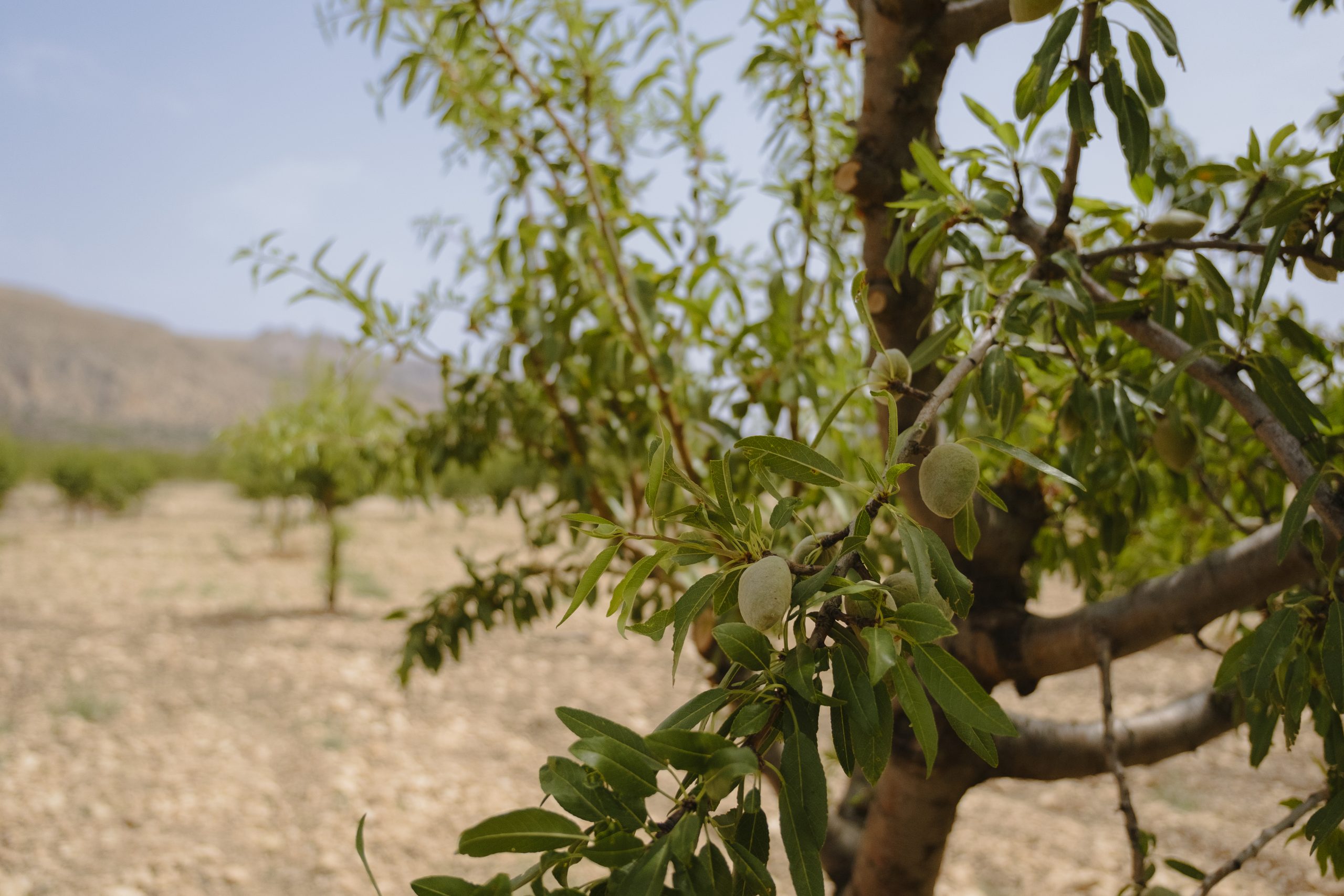
Almonds (Prunus dulcis) have been part of Mediterranean agriculture for centuries. They likely arrived in Europe through trade routes from the Middle East and Persia more than 2,000 years ago, flourishing in dry, sunny regions.Today, Spain is by far the largest European producer, responsible for about 70–80% of the EU’s almond output. They are followed by Italy, Portugal, Greece, and France. The main Spanish regions are Andalusia, Murcia, Valencia and Castilla-La Mancha, where the combination of mild winters and hot, dry summers suits the almond tree perfectly.Most almonds are grown on dry, rocky soils, often on hillsides. These conditions are ideal for rain fed cultivation (the traditional Mediterranean method) which relies almost entirely on natural rainfall. The life cycle of an almond tree An almond tree starts bearing fruit around its third or fourth year, but only reaches full production after seven to eight years. Once mature, it can produce for up to 40 or 50 years.The cycle begins with blooming in late winter, when pink or white flowers appear before the leaves. Pollination is crucial and typically depends on bees. By spring, the fruit (the almond hull) forms around the shell.Harvest usually takes place between August and October, depending on the region and the variety. When the hull dries and splits open, farmers shake the trees, either manually or with mechanical shakers, to make the almonds fall. They are then dried, hulled, and sometimes shelled before storage or sale.After the harvest, the trees are left to rest. They will soon begin to lose their leaves and enter their winter dormancy, which is an ideal moment for pruning. Water and almonds: not always a thirsty crop Almonds have gained a reputation for being water-intensive, largely because of crops coming from California, which produces around 80% of the world’s almonds and depends heavily on irrigation.But in Europe, the picture is different. Many farmers in Spain, Italy, and Portugal grow almonds under rain fed (dryland) conditions, using the rainfall typical of the Mediterranean climate. This means the trees adapt to water scarcity, producing smaller but more flavourful nuts.In irrigated systems, farmers use drip irrigation or regulated deficit irrigation, providing water only at critical stages like flowering or kernel development. These methods help balance yield stability with water conservation. The almond market: a global story Globally, almond production is dominated by California, followed by Australia and the Mediterranean basin. Europe imports the majority of its almonds, mainly from the United States, which accounts for around 60–70% of the almonds consumed in the EU.Spain exports part of its production, especially high-quality local varieties like Marcona and Largueta, which are prized by pastry chefs and confectioners. However, Europe as a whole remains a net importer as demand for almonds continues to outpace local production.While California focuses on high-volume, standardised kernels, European almonds often highlight flavour diversity, traditional varieties, and origin, catering to premium and traceable markets. How to store and enjoy almonds Almonds keep best when stored in cool, dry, airtight conditions, away from light and humidity. Whole, unpeeled almonds keep their nutrients longer thanks to their natural skin, which contains antioxidants and fibre.Different formats include: With shell: longest shelf life, natural protection. Shelled with skin: rich in fibre and polyphenols, great for snacking. Blanched (skin removed): smoother texture, ideal for baking. Sliced, ground, or roasted: convenient but shorter shelf life,  best consumed within a few months. For longer storage, almonds can be kept in the refrigerator or freezer, which helps preserve their oils and prevent rancidity.   Conclusion: a timeless crop with many tastes Almonds are part of Europe’s agricultural and culinary heritage. Their story is one of adaptation, to climate, to landscape, and to taste.Next, discover four traditional almond recipes from across Europe, from Spanish “Tarta de Santiago” to German Gebrannte Mandeln, French Tarte Amandine and Italian Pizzicotti.  

Read

Society

min

One year on from the floods

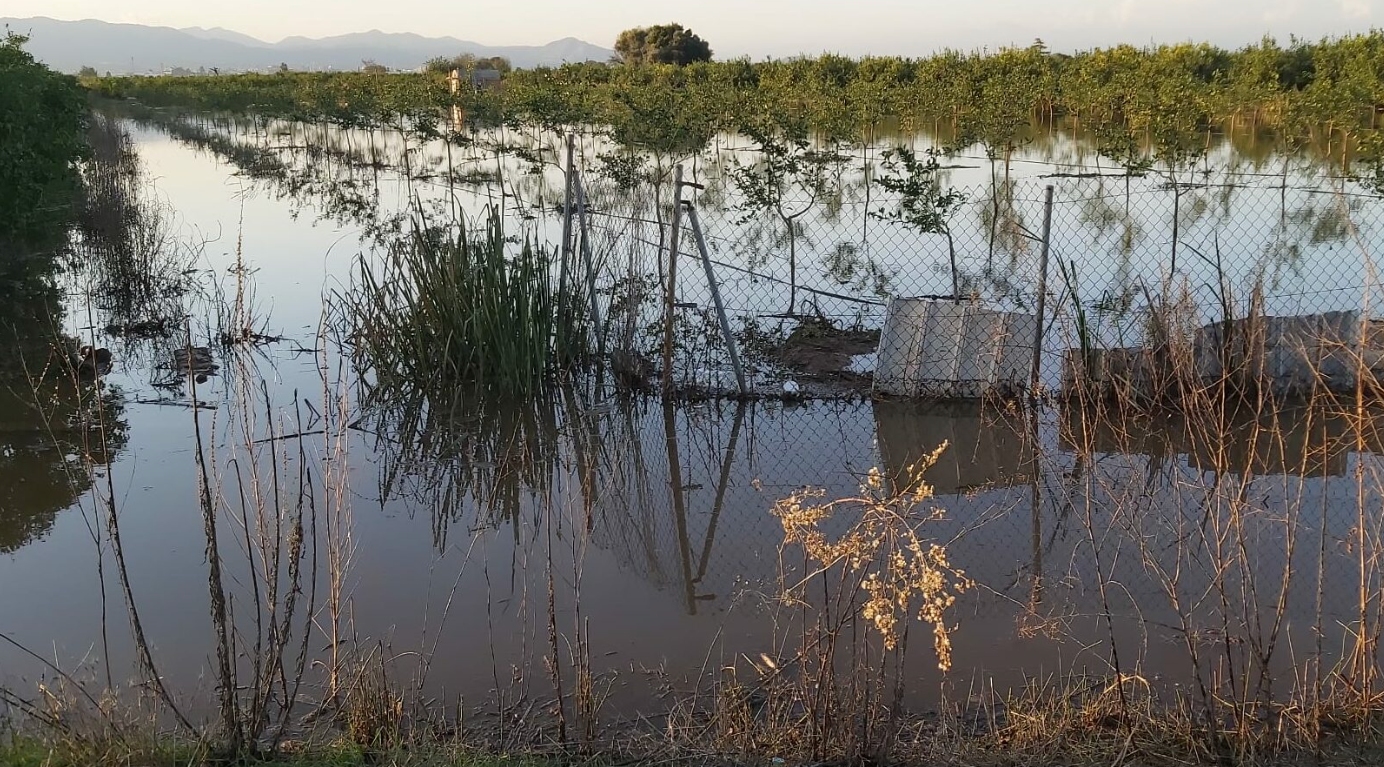
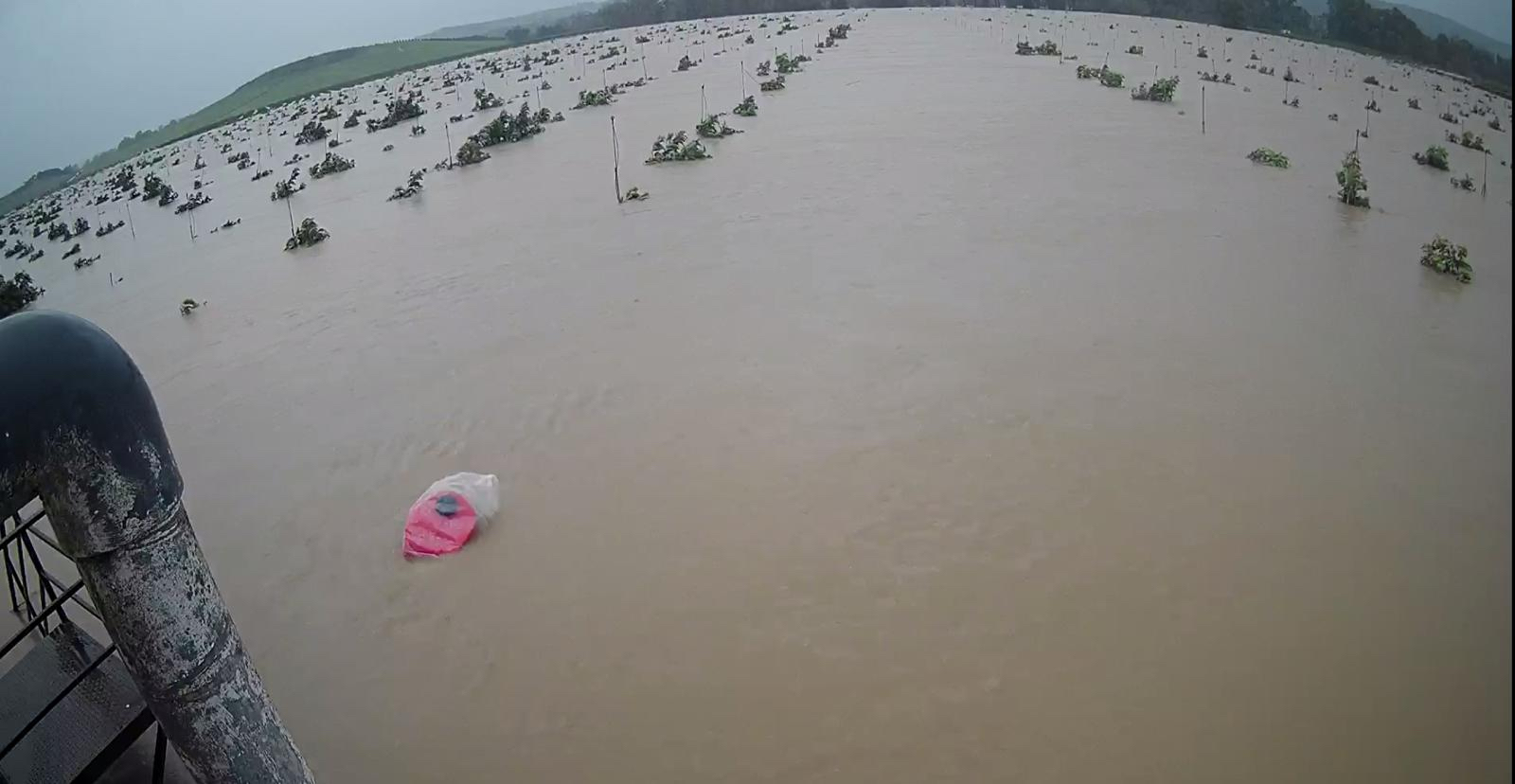
On the 29th of October 2024, Valencia suffered one of the worst episodes of flooding in its recent history. A cold drop unleashed torrential rains that triggered floods and overflows of rivers and ravines, causing flash floods with catastrophic effects.   The balance was tragic: 229 deaths, mass destruction of infrastructure, material losses (about 120,000 cars were declared total write-offs), loss of crops, and a major deterioration of agricultural soils, water structures and rural paths. Everything was covered in mud. Thousands of people (especially young people) came from all over Spain and Europe with mops, buckets, and brooms to collect thousands of tons of mud from houses, schools, shops, streets, and cars. How was so much mud generated? Where did it come from? Could it have been avoided? In this article, we’ll explore how the mud was produced and how regenerative agriculture practices can influence soil management, water infiltration and biodiversity, and why they could be key to slowing down the speed of water, thereby reducing mud generation and mitigating disasters such as the 2024 floods in Valencia. Why does rain become so destructive? Heavy rain isn’t directly synonymous with damage. The problem is the speed of the water when it falls to the ground and what it’s able to carry along with it. When water can’t infiltrate the soil, it flows on the surface, causing erosion and turning into mud. The most common causes of low infiltration in agricultural areas are: Compaction by heavy machinery, which seals the soil and reduces its porosity. Absence of plant cover, which leaves the soil exposed to the direct impact of rain and doesn’t act as a natural barrier. Frequent and deep tillage, which destroys biological channels and accelerates structural degradation. To simplify and explain the damage that rainwater can cause, we’ve created the following formula: To reduce the damage that rain can cause, agriculture can respond directly to two of the three variables: speed and load of soil swept away or transported.   According to figures from the European Environment Agency, it is estimated that between 60% and 70% of European soils are degraded. This degradation is due to causes such as erosion, pollution, compaction and loss of organic matter. A hidden problem for most farmers is that they don’t account for the loss of fertile soil on their farms in the same way as other costs that they pay for with money. It’s an invisible but huge cost that causes constant and prolonged damage to their bottom line. What does this mean? Fewer harvests. The lower natural productivity of the soil forces farmers to buy more fertilisers because – after erosion – the soil only serves to keep the tree upright. The ticking time bomb of having tilled soils After the grape harvest, winegrowers in Mediterranean regions (such as Valencia) often till the land in their vineyards. Farmers of almonds, walnuts, and olives that are harvested in September and October follow the same practice. They do this to remove weeds and provide nutrients for autumn and winter.  They also do it for aesthetic reasons. Culturally, the image of a well-kept farm is highly valued in rural areas, which is often (wrongly) associated with a weed-free soil.  A ploughed field looks tidy and ‘clean’, giving the impression of diligence and care on the part of the farmer. Organic farming, which encourages spontaneous grass to grow among the vines, has in recent decades been associated with the image of an old-fashioned or lazy farmer. In soils de-structured by tillage, the finest and most fundamental particles for fertility, such as clays, remain in suspension and are washed away by rainwater. Meanwhile, larger and less fertile particles, such as sand and gravel, remain in the soil. It’s the combination of clay, organic matter and microbiology that gives rise to clay-humus complexes, an indispensable basis of soil fertility. What happened in October 2024? On recently tilled plots in inland Valencia, the rainwater formed rivers of mud that swept downhill with huge amounts of loose soil. In contrast, on plots with vegetation-covered soil, the water didn’t gather so much speed and could be absorbed (at least partially) by the soil, preventing run-off.  The plant layer reduces the impact of raindrops, the roots create pores in the ground, and the organic matter acts as a sponge, allowing much more water to seep in.  Healthy soil works as a natural rain buffer: instead of generating flash floods, it retains water, slowly filters it into aquifers, and gradually releases the surplus into rivers without sweeping away so much mud. And what about the compacted soils? We’ve already explained the effects of having tilled land that is too loose. Now we’ll explain the opposite effect, which is when the soil is too compacted.  The compaction of agricultural soil can be caused by various factors, the main ones being the continued use of herbicides that prevent the growth of weeds that help de-compact the soil, and the frequent passage of heavy machinery, such as tractors. The peak of the citrus season in Valencia begins in November. In August, September and October, tractors drive between the rows to fumigate crops against pests such as fruit flies, red mites or thrips. This continuous traffic between the rows of trees compacts the soil, making it act as a slippery slope in the event of rain.  In citrus farming, which I’m using as an example because it’s the main crop in the Valencia area, the use of chemical herbicides leads to the loss of much of the soil’s microbiology and organic matter. This leaves only clay behind, which is easily compacted by the passage of tractors, thereby preventing water infiltration.   A field with compacted soil drains rainwater too quickly into rivers or ravines, causing flash floods. Soil as the best investment in infrastructure The cold drop of 29 October 2024 was a disaster that caused irreparable damage. Beyond public policies, warning measures or investments that need to be made, farmers have a duty to care for and repair the largest infrastructure capable of reducing the harmful effects of these torrential rains: the soil on our farms. Failing to regenerate soil means accepting that each extreme event will be worse than the previous one. For us, for our bottom line, and for our surroundings. Organic and regenerative agriculture isn’t a miracle solution and doesn’t prevent these climate events, but it is a solid, proven and replicable agronomic proposal that can restore the resilience that our fields have lost.

Read