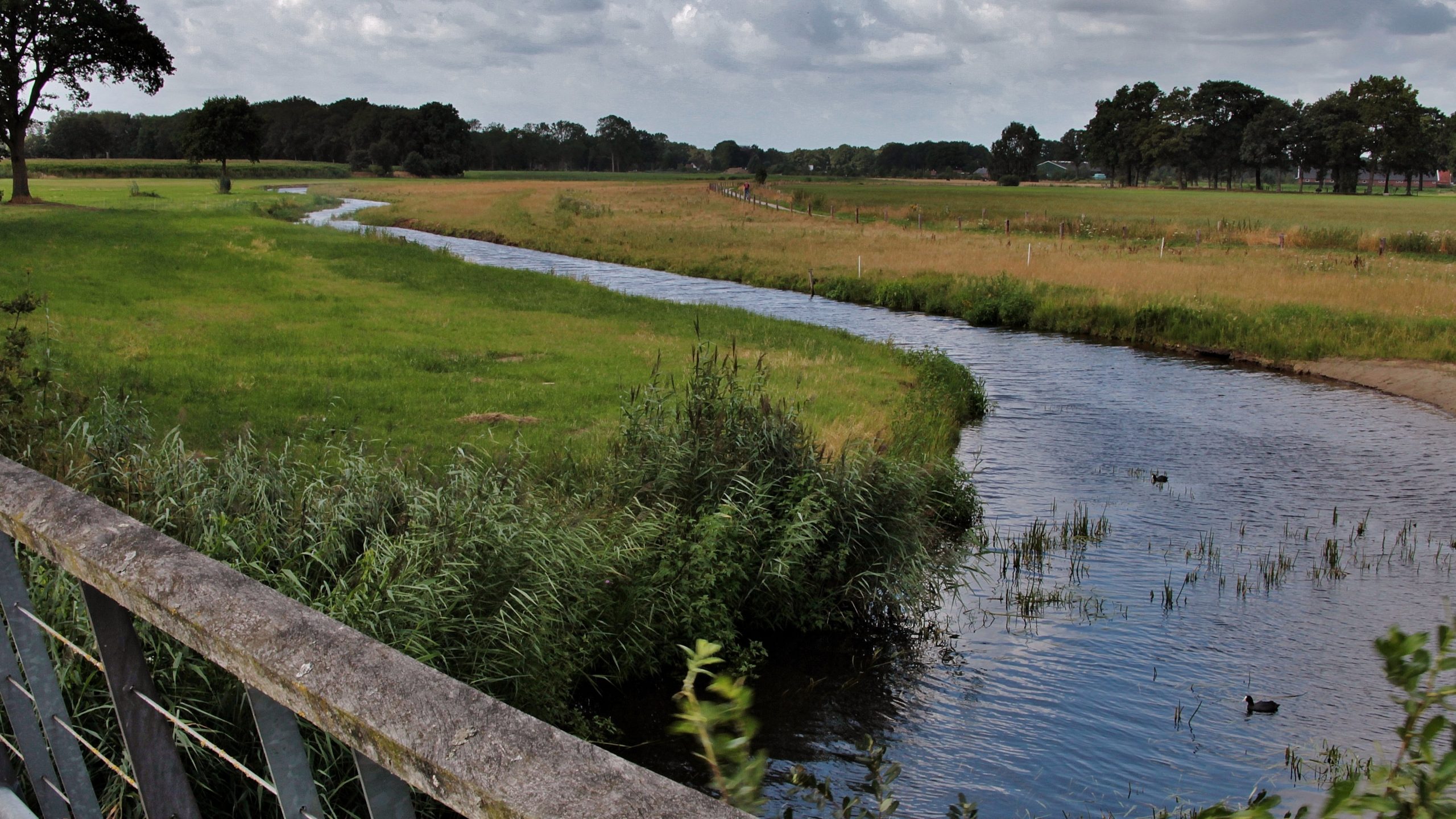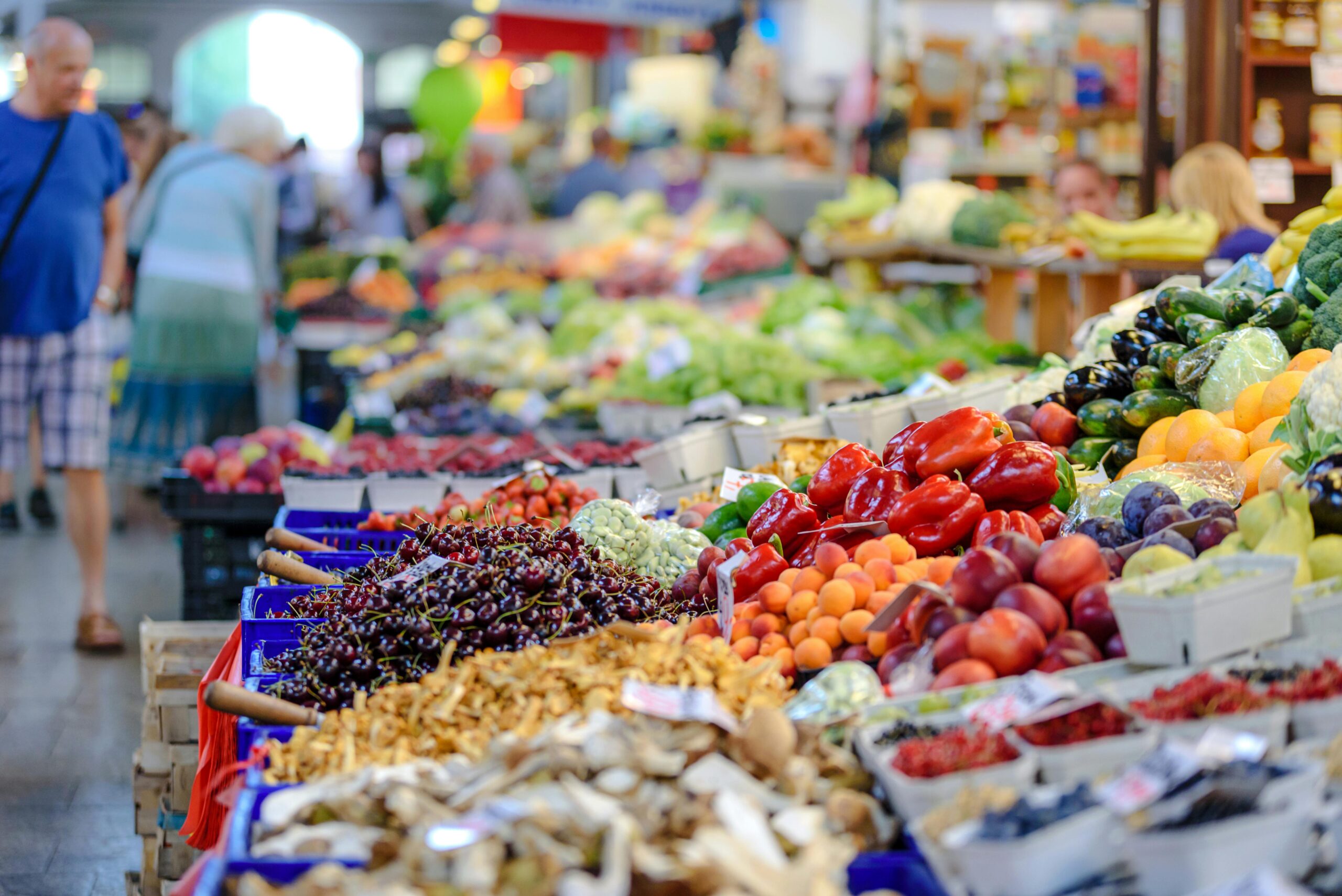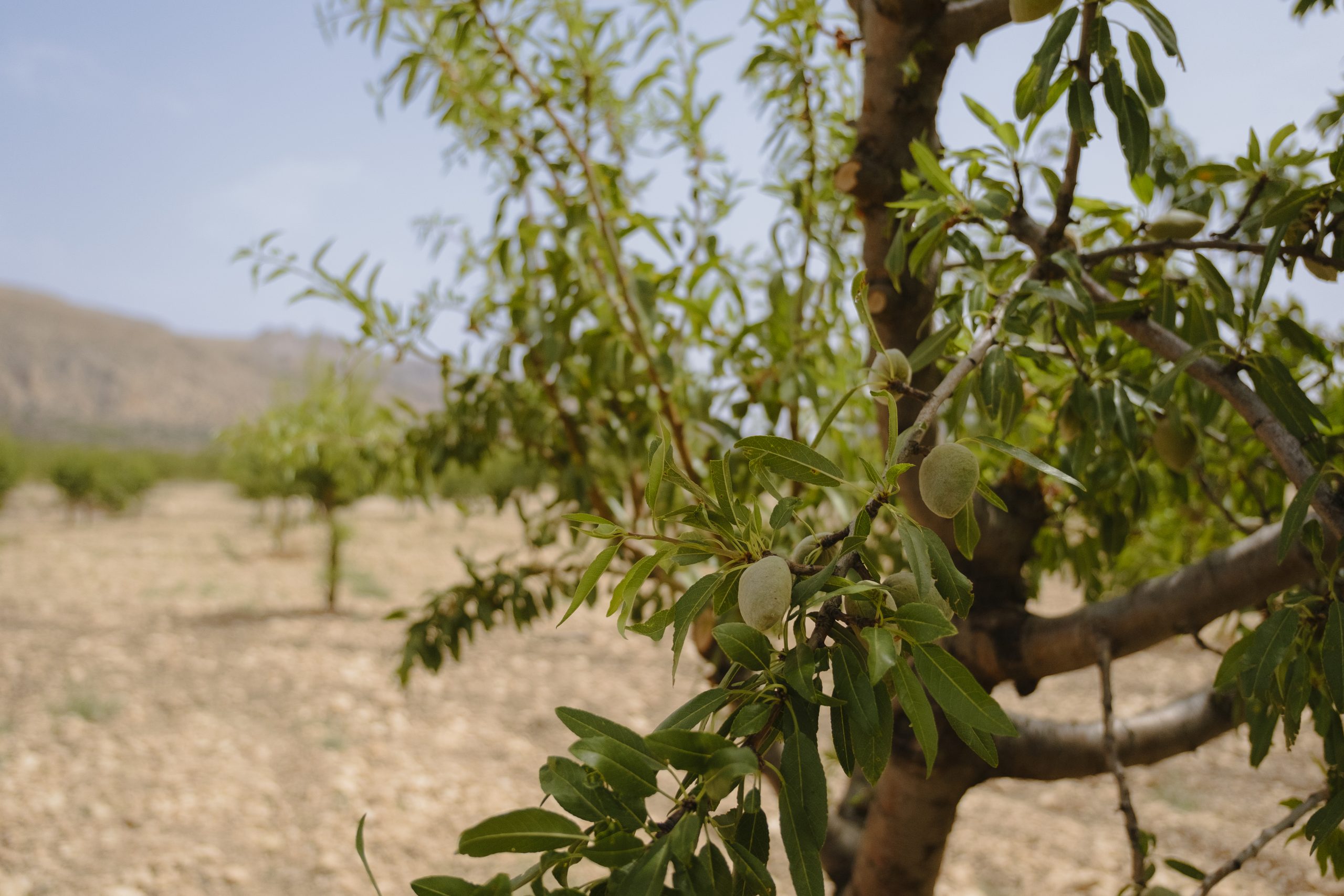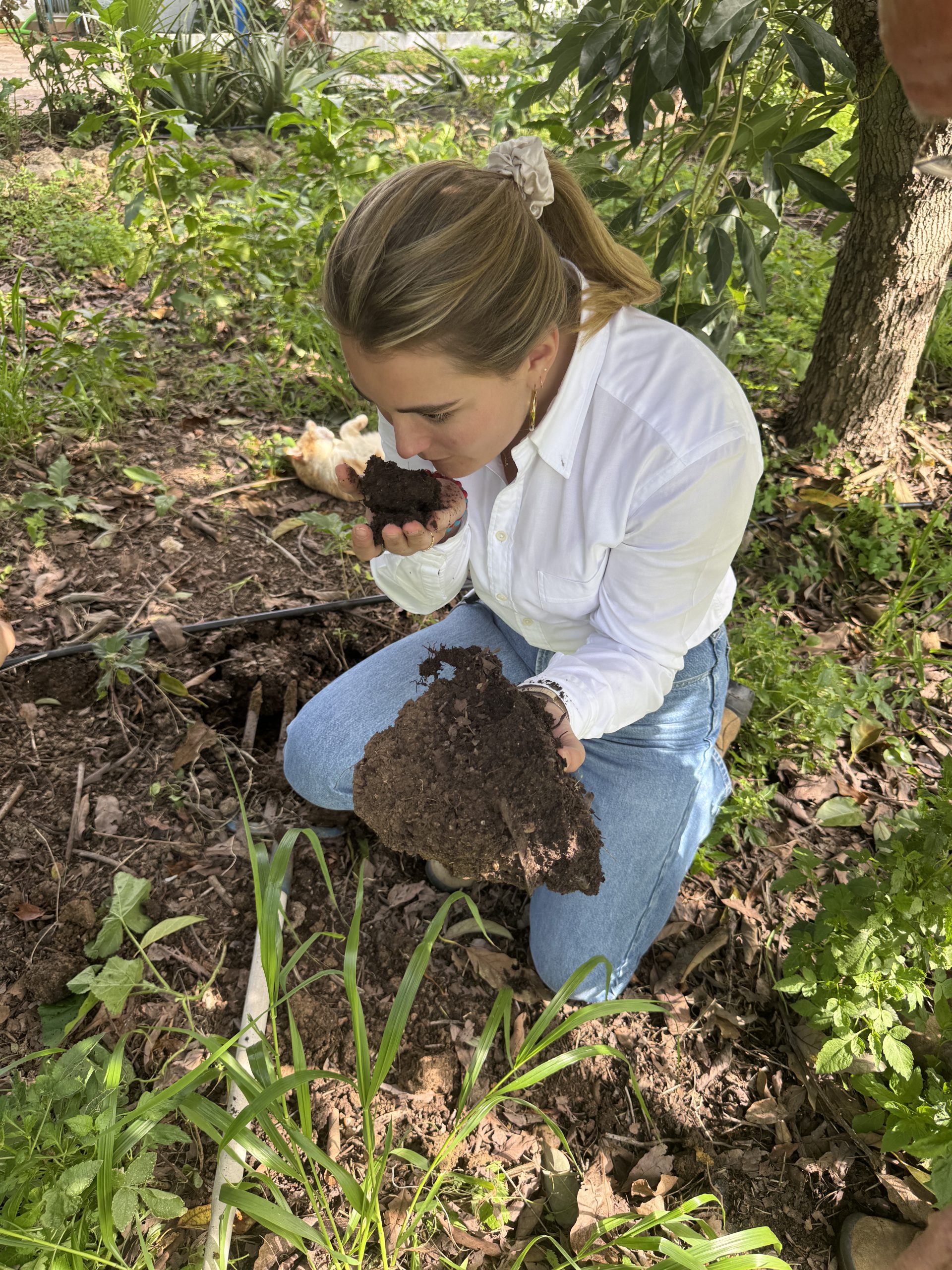
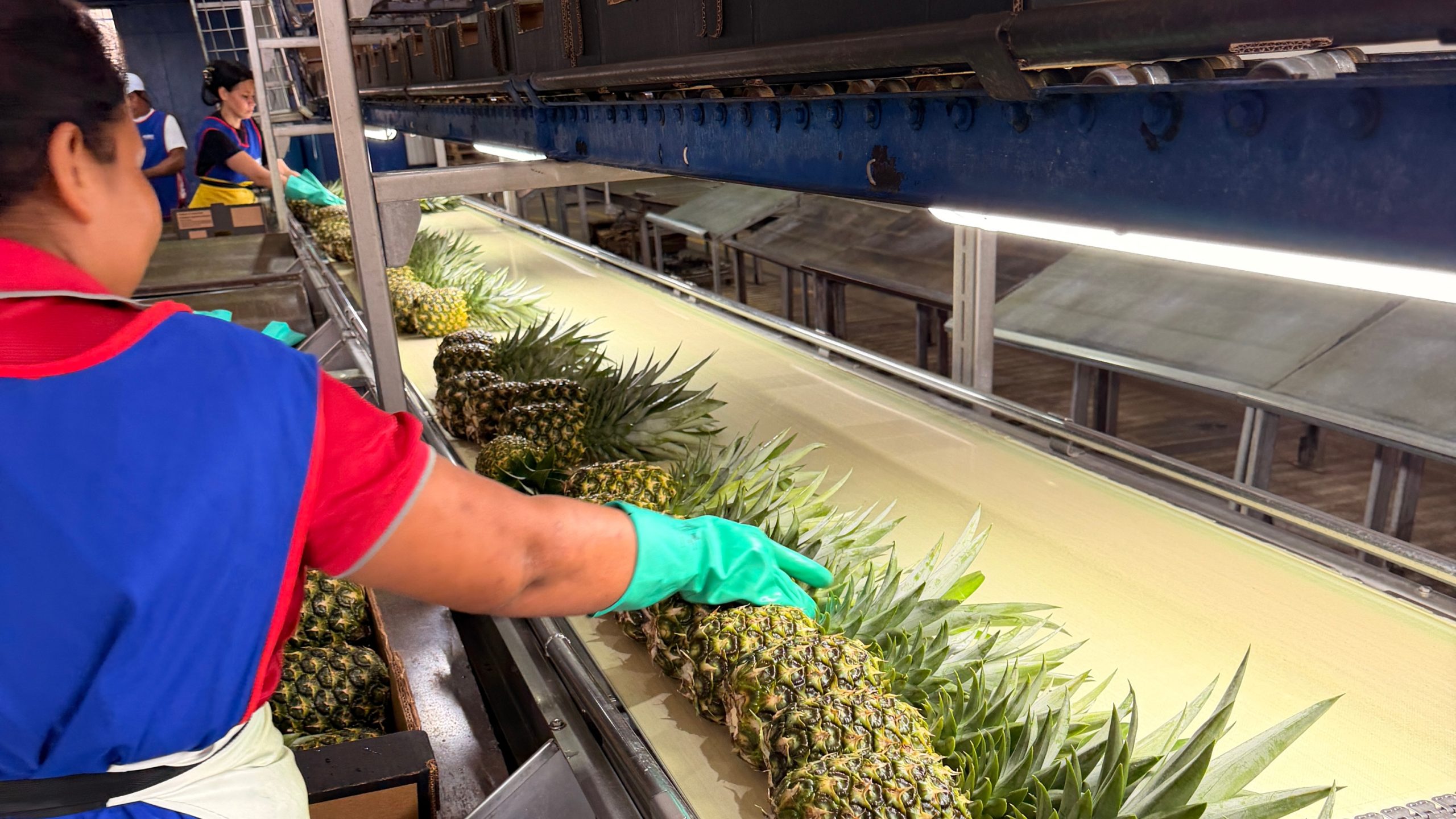

"Working with living beings is difficult, demanding, and poorly paid compared to the risks involved." - Maison Marie Severac
Published April 2026
Immune to inflation: How regenerative farming beats the global food monopoly
If you’ve paid attention to the news lately, you’ve probably noticed that our global food system is cracking under pressure. Between extreme weather wiping out harvests, the war in Ukraine sending energy prices through the roof, and the recent blockade of the Strait of Hormuz paralysing the global fertiliser trade, the extreme fragility of how we feed the world has never been more obvious.
But this fragility isn’t just a streak of bad luck or unpredictable weather; it is a structural design flaw.
Imagine sitting down to play a game of Monopoly, but before you even roll the dice, you realise five players already own all the utilities, the railroads, and every property on the board. In the global food system, this isn’t a game; it’s reality.
To understand why our food system is so vulnerable to these global shocks, we have to look at the “Big Five”: Archer Daniels Midland (ADM), Bunge, Cargill, COFCO International, and Louis Dreyfus. They don’t just trade food; they own the ships, the ports, and the silos, and they supply the farmers with fertilisers and seeds. Recently, they have morphed into something else entirely: hedge funds. Today, about 75% of their income comes from financial activities and speculation, not just physical farming.
This staggering concentration of power is highlighted by Anastasia Nesvetailova, a political economist who famously predicted the 2008 financial crash in a 2007 book before it happened. According to Anastasia, head of the macroeconomic and development policies branch at the United Nations Conference on Trade and Development (UNCTAD), this concentration of power is a massive systemic risk.
When a crisis hits and prices increase, who gets the money?
What can the food industry learn from the energy transition?
If healing the soil is such a great deal, why aren't all farmers doing it?
The crisis casino: When everyone loses, someone is winning
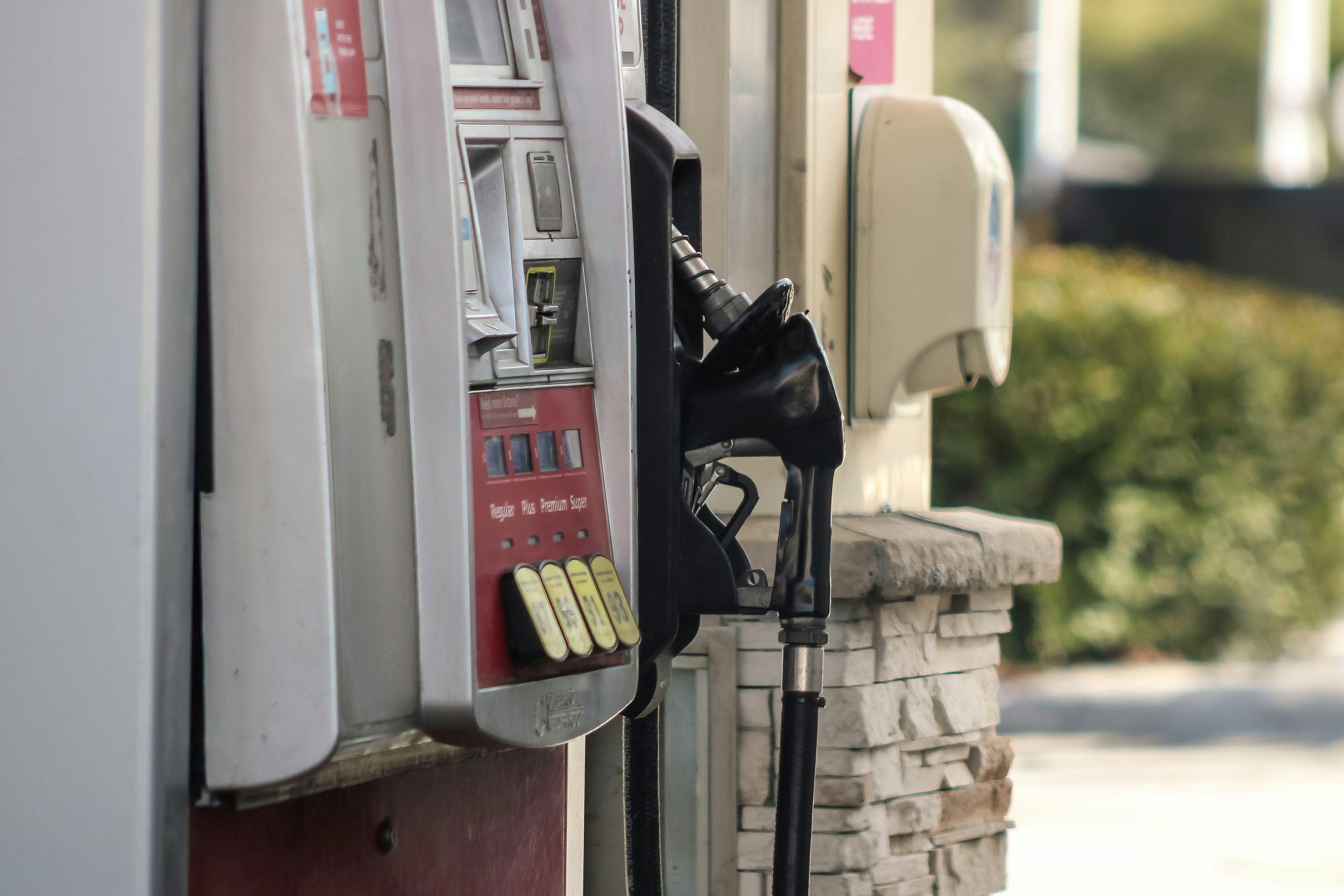
Take the recent blockade of the Strait of Hormuz as the perfect example of how absurdly fragile our current setup is. To understand why this event was so catastrophic, we have to look at the data provided by the Food and Agriculture Organization of the United Nations (FAO). In a recent 2026 report addressing the agrifood implications of the Middle East conflict, Maximo Torero, the FAO’s Chief Economist, sounded the alarm. He explained that the Strait of Hormuz isn’t just a route for oil; it is the jugular vein of global farming. According to Torero, between 30% and 35% of the world’s urea (the most widely used synthetic nitrogen fertiliser) and about 30% of all global fertiliser trade pass through this single, narrow maritime chokepoint. Furthermore, data from commodities consultancy CRU Group highlights that the region also exports over 40% of the world’s sulphur, a byproduct of oil refining that is absolutely essential for manufacturing phosphate fertilisers.
When the recent conflict caused tanker traffic through the strait to collapse by more than 90%, it literally stalled an estimated 3 to 4 million tonnes of fertiliser trade every single month. Why does this matter to you and your grocery bill? Because, as Torero warns, chemical fertiliser is the absolute key input for conventional farming. If farmers can’t get it, or if a bottleneck causes prices to skyrocket by over 20% in a matter of days, they are forced to use less or go into debt. We have, quite literally, outsourced the basic fertility of our local fields to a geopolitical chokepoint halfway across the world.
When a crisis hits—same as with the war in Ukraine—these giants don’t suffer; they thrive. While everyday farmers face ruined harvests and countries face inflation, the corporate food giants use this market panic and volatility to speculate on prices and rake in billions. Nesvetailova warns that if this fragile, highly financialised food system collapses under the weight of these chokepoints, the 2008 subprime crisis will look like “a piece of cake”.
Agriculture’s own renewable resource to gain independence
How do we break free from a system so heavily reliant on imported fossil fuels, foreign fertilisers, and speculative markets?
We can look to the energy sector for the answer.
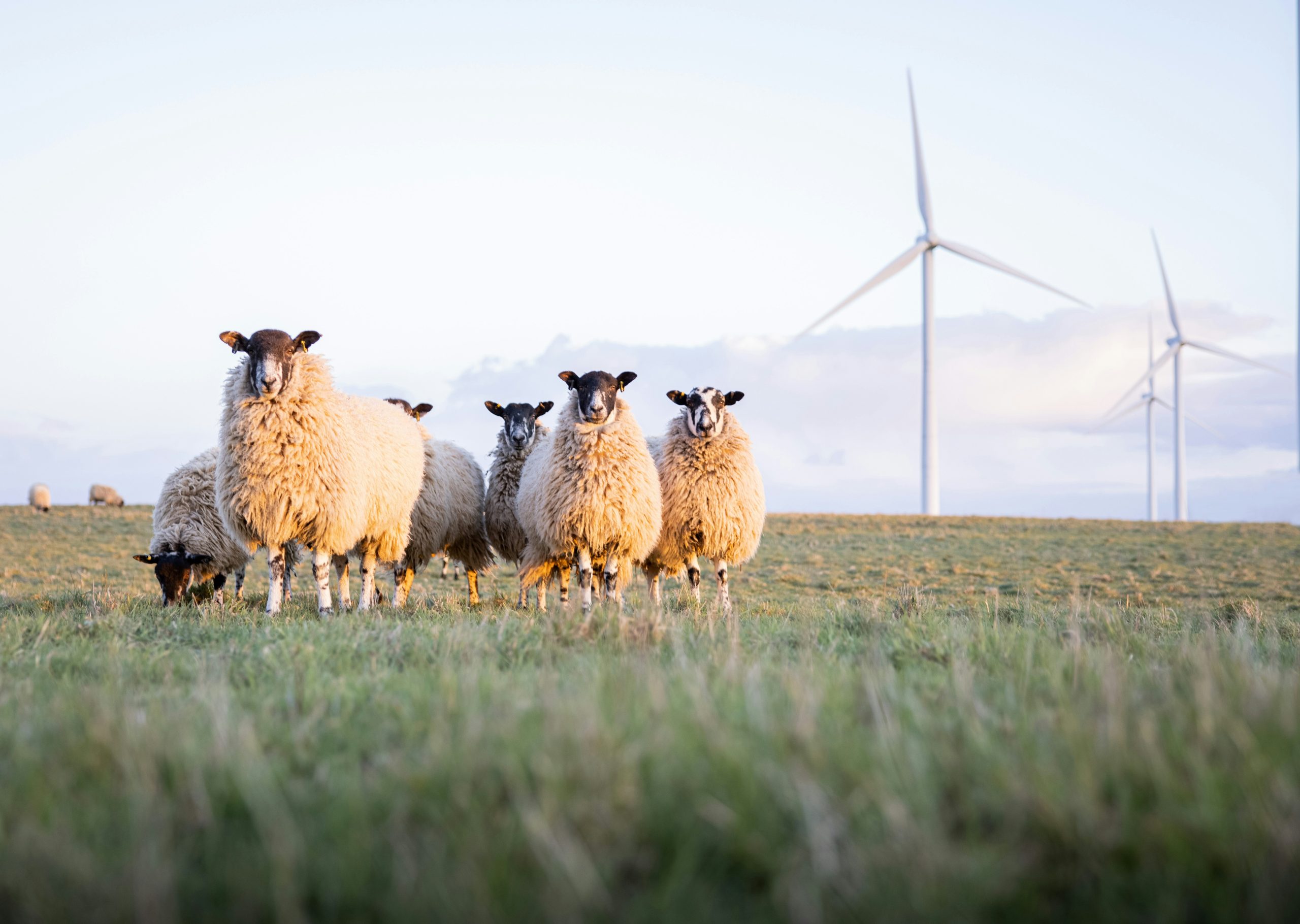
Consider what is happening globally with renewable energy. We see economic superpowers like China and the United States investing massive amounts of capital into renewables. In fact, global renewables have just hit a historic milestone, now accounting for almost 50% of the world’s electricity capacity. As you can imagine, since these two countries aren’t exactly known for their pro-sustainability speeches, they aren’t pouring billions into renewables because they suddenly had a green epiphany. They are doing it because they see a clear economic and strategic benefit: achieving strategic independence. They want to insulate their economies from volatile geopolitical shocks and stop relying on imported gas and oil.
The agrifood sector desperately needs its own “renewable” revolution to achieve that same independence. But the agricultural equivalent of a solar panel or a wind turbine isn’t a piece of factory-made hardware; it is the biological engine of photosynthesis and a living soil microbiome.
As highlighted by the European Alliance for Regenerative Agriculture (EARA), we must maximise this natural technology. When plants photosynthesise efficiently, they don’t just grow; they produce “liquid carbon” (sugars and organic compounds) that they release through their roots directly into the soil. This liquid carbon feeds the soil microbiome—a bustling community of bacteria and fungi. In exchange for this food, these microbes act as a free, invisible workforce, extracting essential nutrients and water from the earth and delivering them right back to the plant.
By maximising photosynthetic activity and keeping the soil covered with living plants year-round, farmers don’t just protect the environment—they fire up a self-sustaining biological factory. Just like a country building solar panels to escape the gas market, a farmer leveraging photosynthesis and soil biology escapes the geopolitical trap of the synthetic fertiliser market.
The data from EARA’s pioneer farmers is mind-blowing: by working with nature, these regenerative farms produce almost the exact same amount of food (only a 2% drop in yield) but use 61% less synthetic fertiliser and 75% fewer pesticides, resulting in a 20% higher gross margin per hectare.
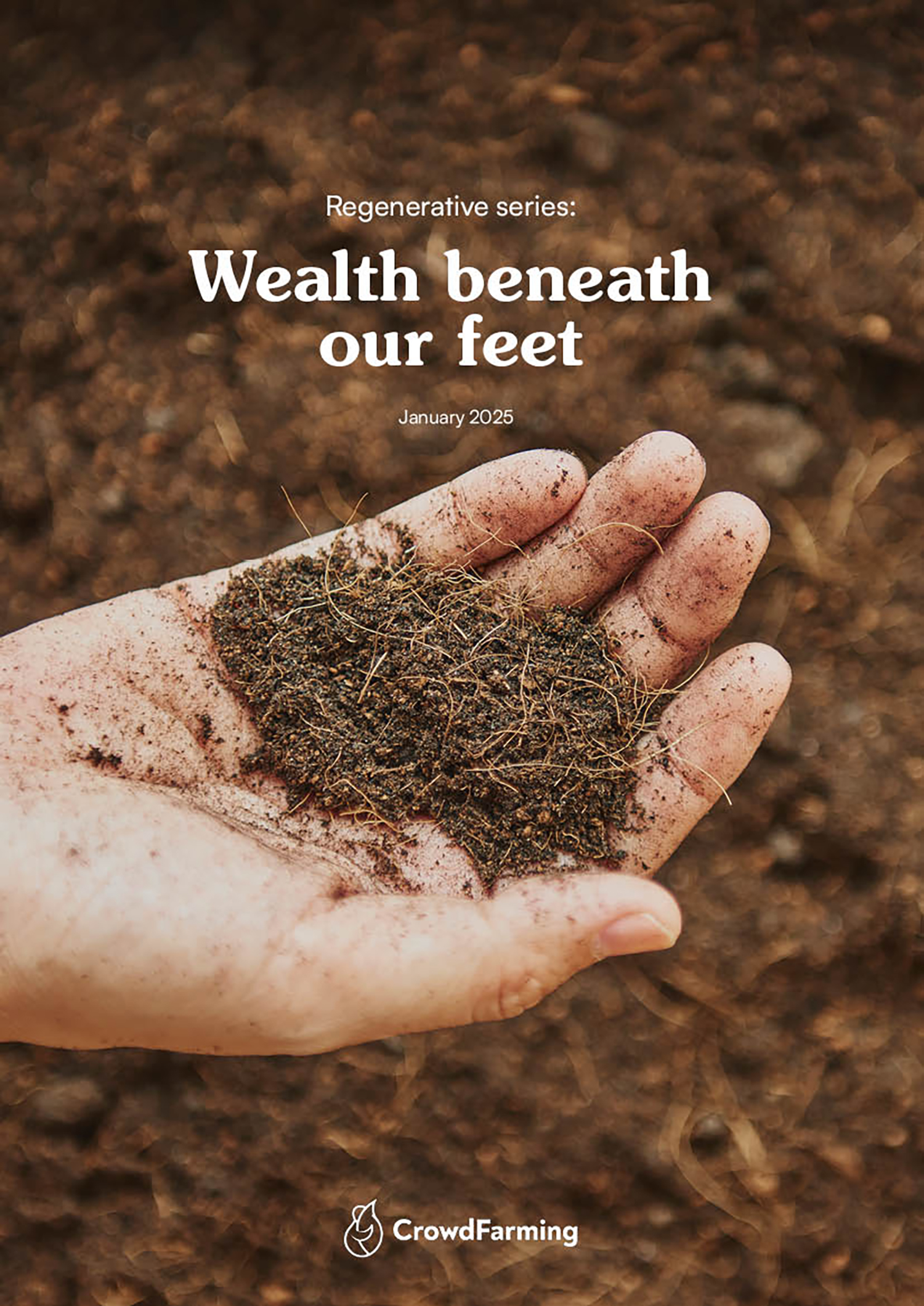
The 2025 “Wealth beneath our feet“ report by CrowdFarming proves that regenerative farming isn’t just for environmental activists or “boutique farms”; it makes incredible business sense. The report shows that the ROI of this transition is nearly 30% per year, paying for itself in just over three and a half years. This profitability comes purely from savings: farmers spend about €190 less per hectare on chemicals, and because healthy soil acts like a sponge during floods and droughts, they avoid about €360 per hectare in lost harvests.
If it’s so great, why isn’t everyone doing it?
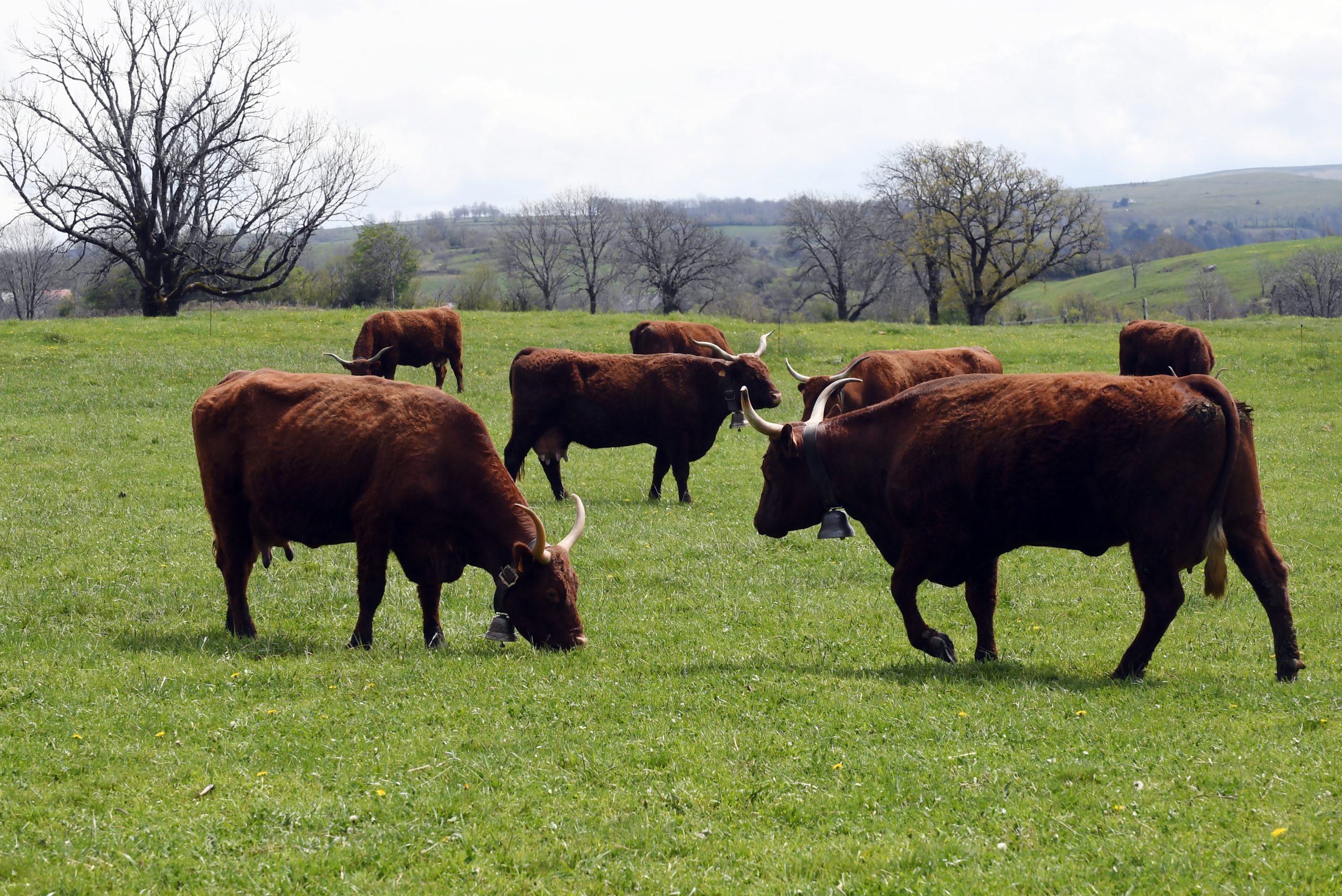
If the numbers are so good, why are farmers hesitating? If the business case for breaking free from expensive inputs is so clear, why isn’t every farmer rushing to regenerate their land? The answer isn’t a lack of desire; it’s a terrifying wall of risk.
Taking soil off its chemical addiction is like sending it to rehab. The soil needs 3 to 6 years to “detox” and rebuild its natural biology. During this time, harvests can fluctuate. The Soil Association Exchange, a UK-born platform that helps farmers assess and finance their environmental impact, surveyed farmers for their 2024 report “Banking For Change: Addressing Financial Risk as a Barrier to Farm Transition”. They found that 66.1% of farmers cited financial and business risk as the main barrier to making the switch. This is heavily corroborated by the CrowdFarming 2025 Farmer Survey, where 42.9% of farmers pointed to the initial investment and lack of financial aid as their primary obstacle to applying regenerative practices, while 15.6% explicitly highlighted the fear that it won’t work or that they will face a drop in production.
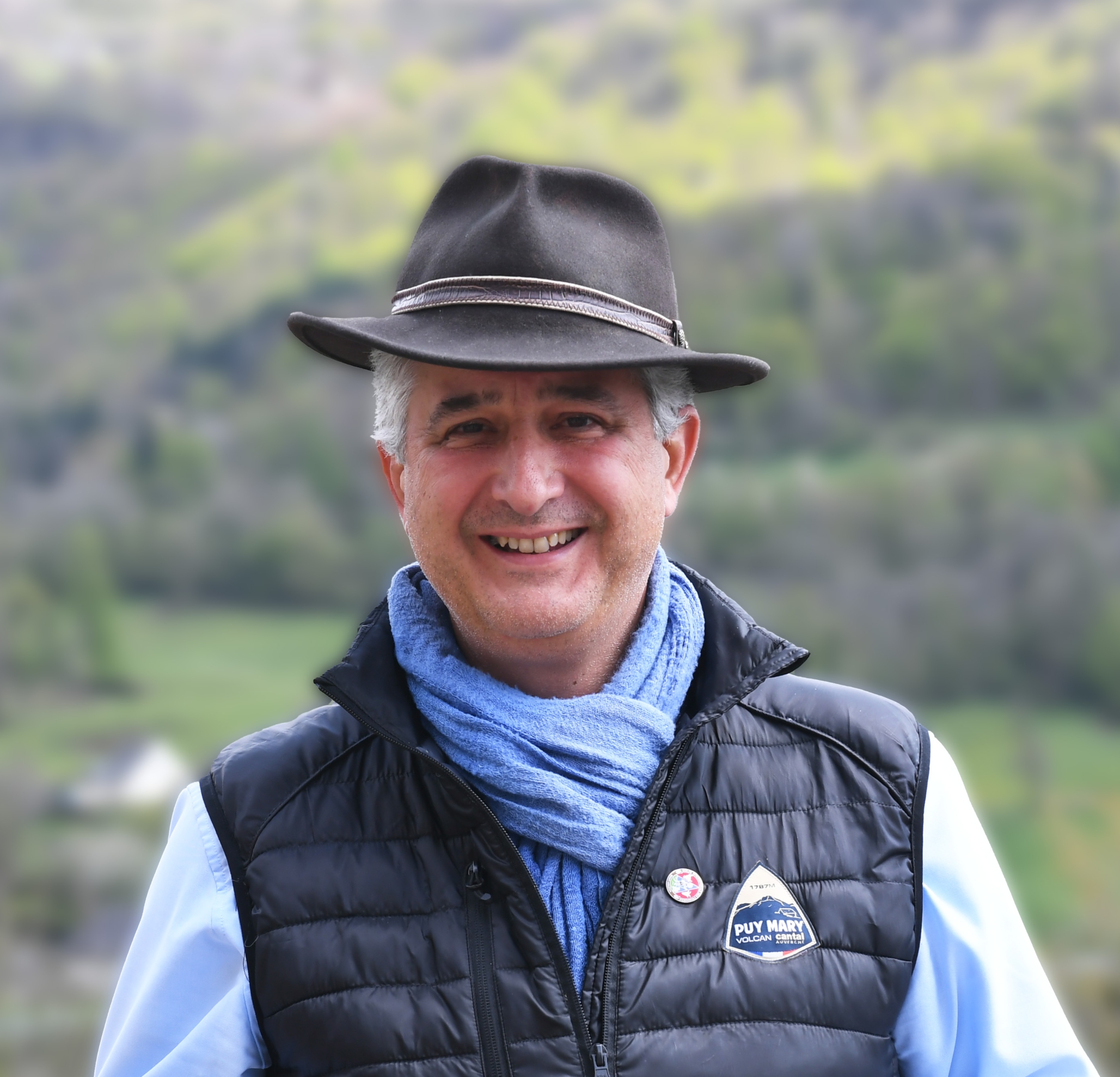
For a farmer living season-to-season on razor-thin margins, the conventional chemical system acts as their “insurance policy”. As farmer from Maison Marie Severac (France) tells us: “Working with living beings is difficult, demanding, and poorly paid compared to the risks involved.” Blueberry farmer “El Rompido” (Spain) echoed this harsh reality:
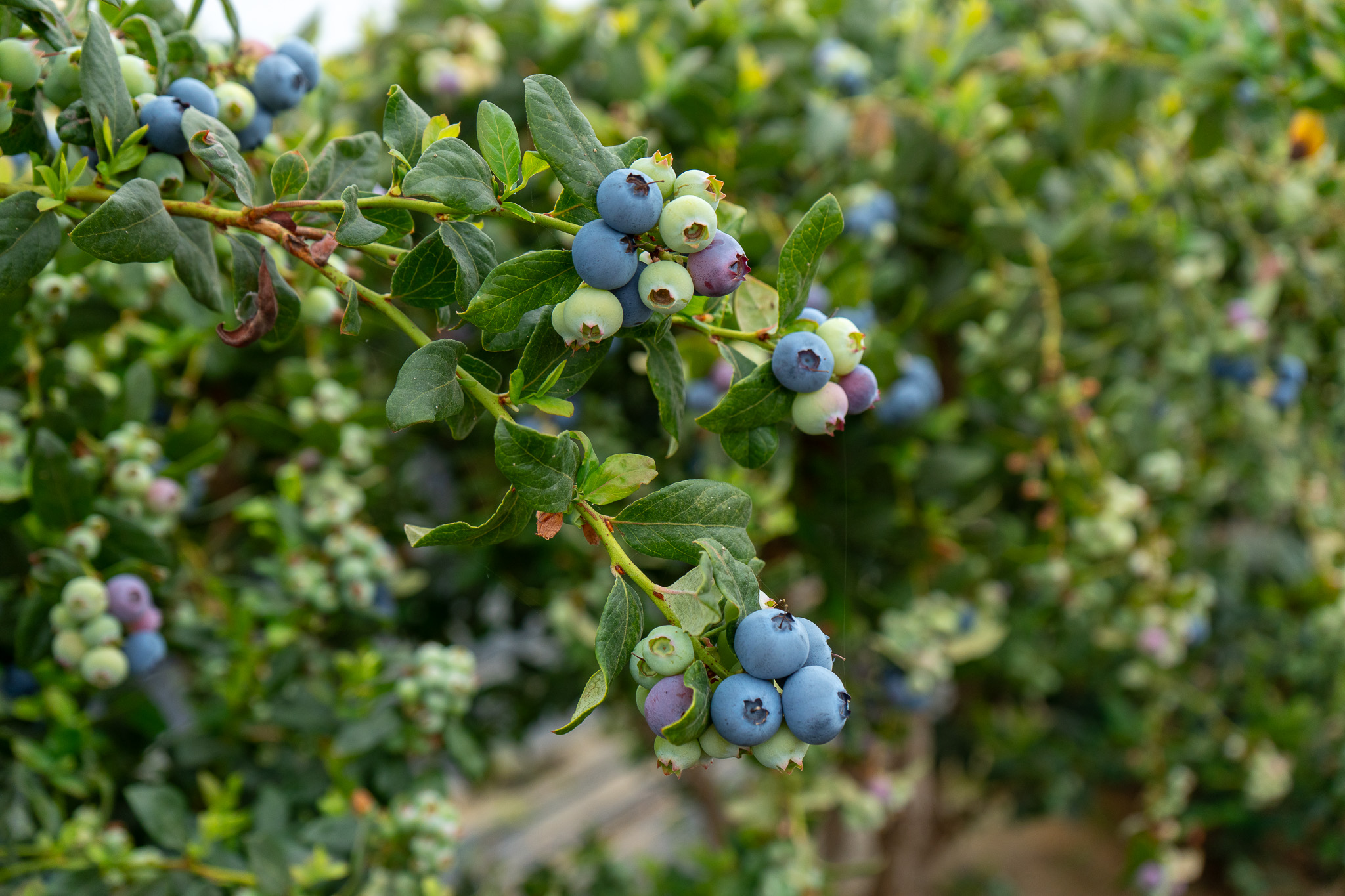
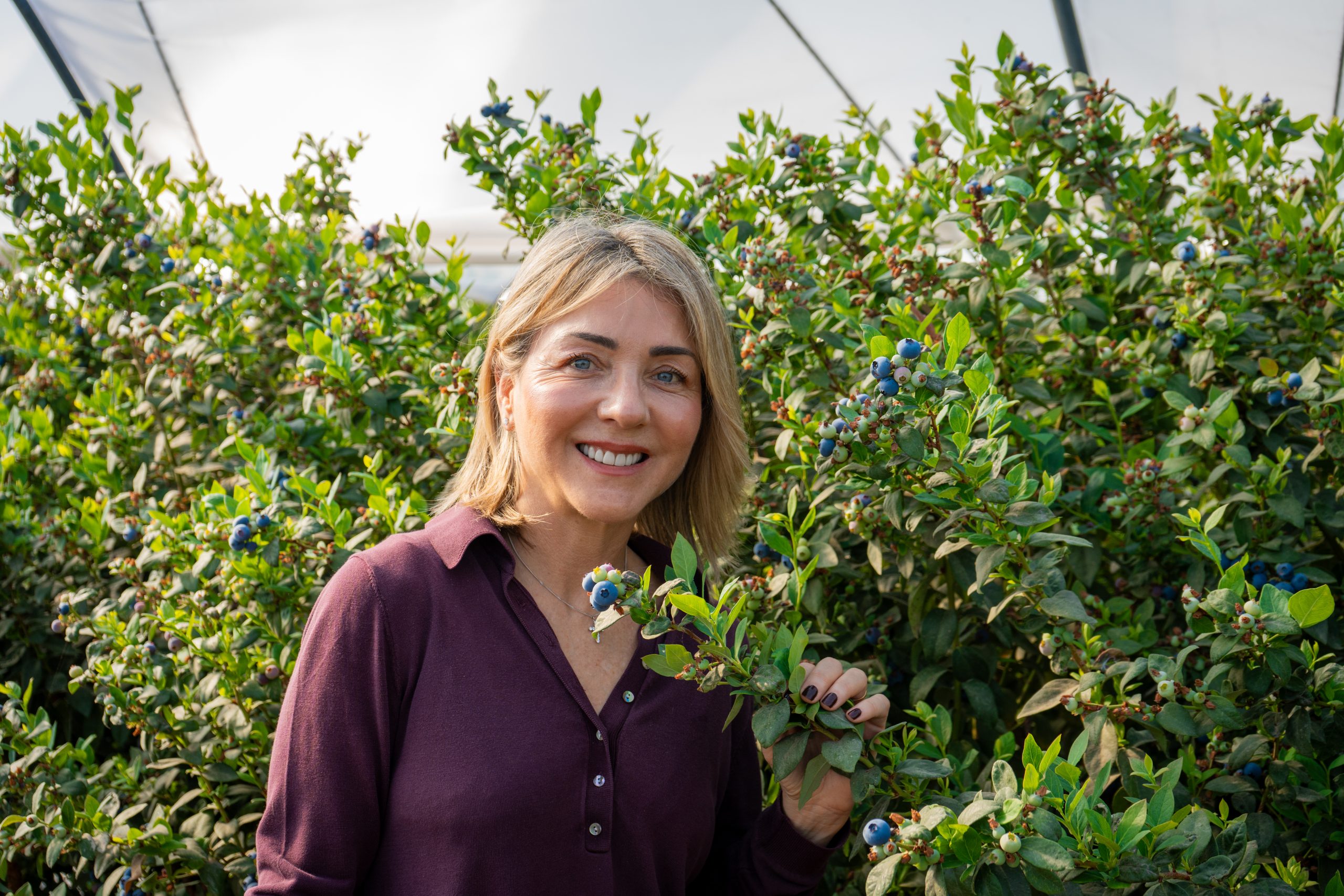
"Being a farmer is an intense and risky job. Economically, there is no clear balance between the risk assumed and the profitability usually obtained." - Farmer from El Rompido.
Asking them to experiment with a new farming method without a safety net is like asking them to rebuild their car’s engine while driving down the highway at 120 km/h. They simply don’t have the financial flexibility to risk a bad harvest. As a producer from Finca La Zahurda reminded us:
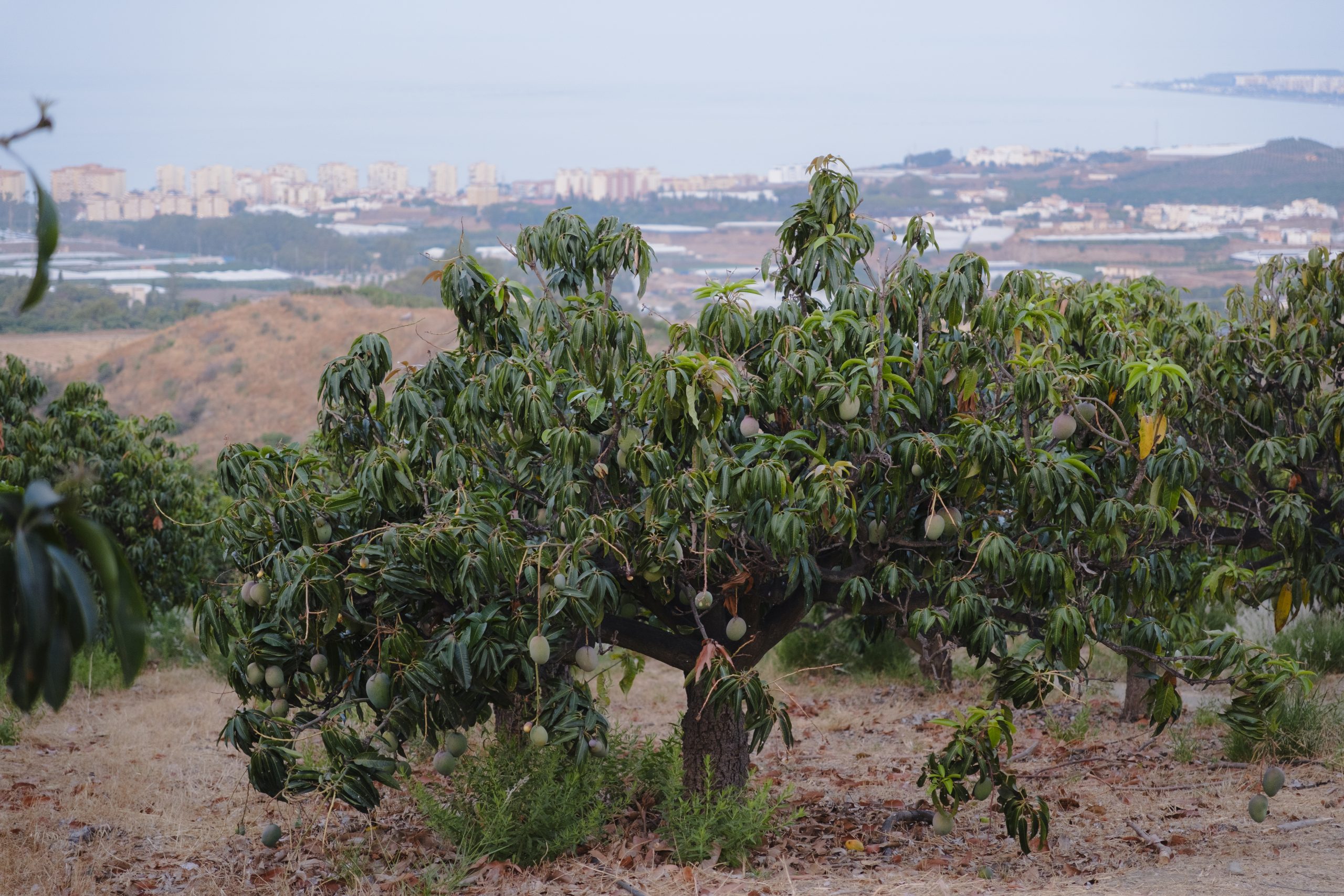
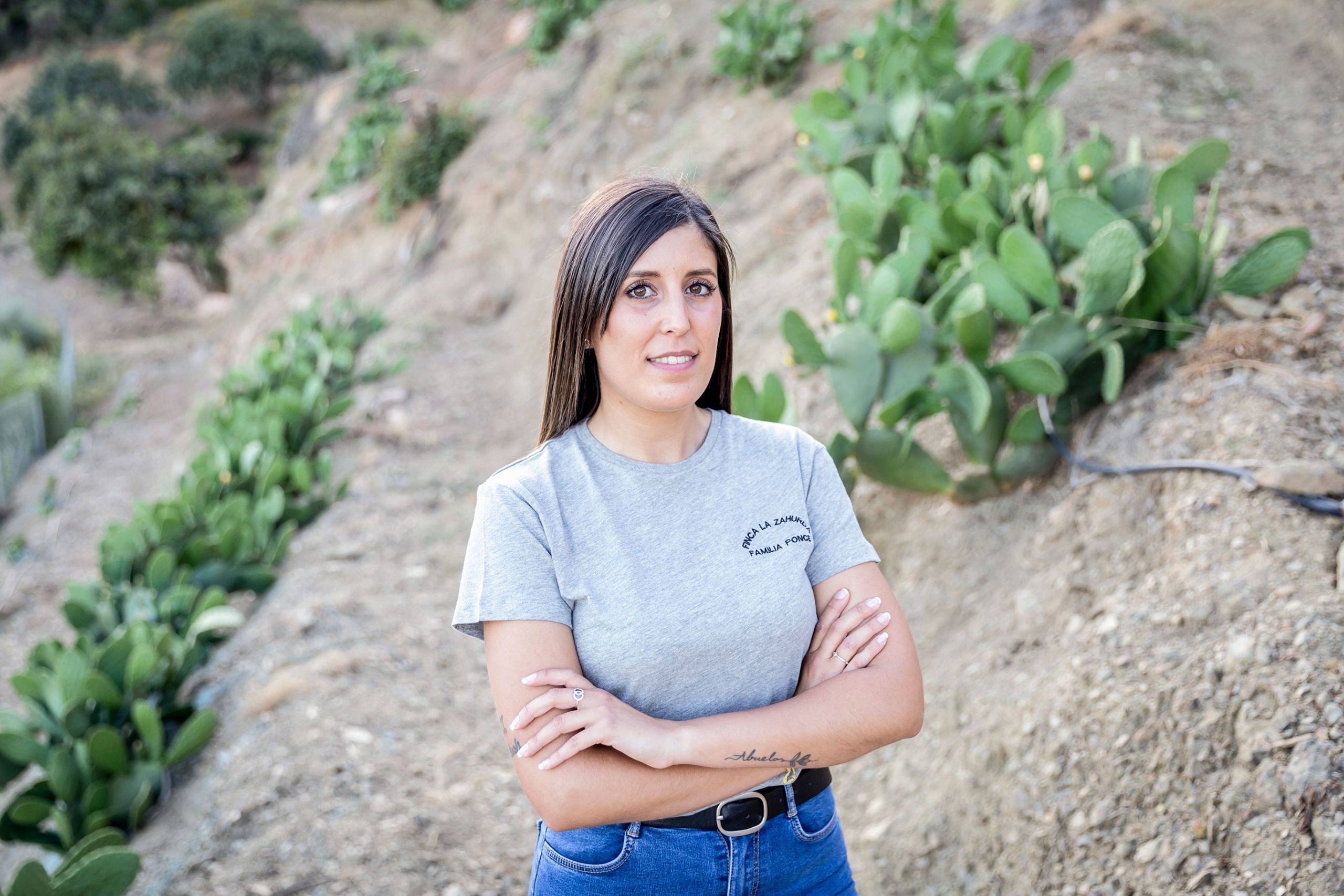
"Every fruit, vegetable, or grain that reaches your table is the result of many hours of work, uncertainty, and risks that are not always seen... Nothing is guaranteed." - Producer from Finca La Zahurda.
Everyone must chip in
Relying solely on consumers to pay a “premium” price for regenerative food is neither fair nor scalable. Since society, banks, platforms, and brands all uniquely benefit from a stable, resilient food supply, everyone must chip in to help farmers cross the transition. Here is why they benefit and how they can contribute:
Food Brands
Brands cannot sell products if they don’t have reliable ingredients. They directly benefit from regenerative agriculture because healthy soil secures their supply chains against climate extremes, like severe droughts or floods, ensuring they have a product to process and sell tomorrow.
A potential strategy for large brands is to co-invest. A great example is Wildfarmed in the UK, which buys regeneratively grown wheat and pays its farmers a premium that can be 75% above the conventional market price, effectively acting as an insurance policy while the farmer learns. Corporate coalitions like OP2B (which includes PepsiCo and Unilever) are also starting to align funding to de-risk this transition for their suppliers.
The public sector (the CAP)
Society benefits through food security, stable prices, and avoiding massive economic damages. According to a Vienna University study, climate damages to the agricultural sector could reduce the EU’s GDP by 10% by 2050 if we do not adapt. Investing in soil is the ultimate public protection.
The EU’s Common Agricultural Policy (CAP) commands a massive budget, but is it actually helping? In theory, yes; in practice, it is falling short. The latest CAP (2023-2027) took a step in the right direction by introducing “eco-schemes” to reward environmental actions. However, organisations like IFOAM Organics Europe warn that these schemes often fund isolated, single practices rather than a “whole-farm approach”. This creates a bizarre loophole where conventional farmers doing the bare minimum can sometimes receive more funding than those fully committed to an organic or regenerative system.
Furthermore, independent farmer coalitions like the European Alliance for Regenerative Agriculture (EARA) argue that the CAP is still overly bureaucratic and focuses on rigid, check-box rules rather than actual ecological results. EARA proposes that the CAP should radically pivot to “performance-based payments”. Instead of paying for abstract compliance, the CAP should pay farmers directly for measurable, year-over-year improvements in soil health and photosynthesis.
The harsh reality is that around 60% of the CAP’s subsidies (approx. €32 billion a year) are still spent propping up large-scale, unsustainable farming. This money must be radically redirected from subsidising a broken status quo to acting as a public insurance policy that pays farmers for the verifiable ecosystem services they provide, giving them the true financial safety net they need to emerge successful from the transition.
Banks and insurance
A farmer’s risk is a bank’s risk and an insurer’s nightmare. As extreme weather wipes out harvests, climate damage is eroding the very foundations of private insurance, driving up premiums and threatening to make entire regions uninsurable. If degraded soil leads to failed harvests during a drought, farmers default on their loans and insurers face massive payout claims. Regenerative farming physically de-risks the land, making the farm a safer financial and insurable asset.
Traditional finance could acknowledge this material risk and allow farmers to hit ‘pause’ on their loan repayments during the tricky 3-to-6-year transition period or offer discounted interest rates. Meanwhile, the insurance sector can step up by offering specific “transition warranties” or sustainability-linked crop insurance that financially protects farmers against any unexpected yield losses while they learn to restore their soil’s resilience.
This isn’t a utopia; it is already happening. For example, the French bank Crédit Agricole recently partnered with McCain Foods to offer interest- and fee-free 6-year loans to 800 potato farmers specifically to support their adoption of regenerative practices. On the insurance side, companies like Growers Edge have partnered with brands like PepsiCo to offer sustainable, warranty-backed crop plans. These act as a financial safety net, providing farmers with a guaranteed payout if adopting regenerative practices temporarily results in a yield loss.
Direct-to-Consumer platforms
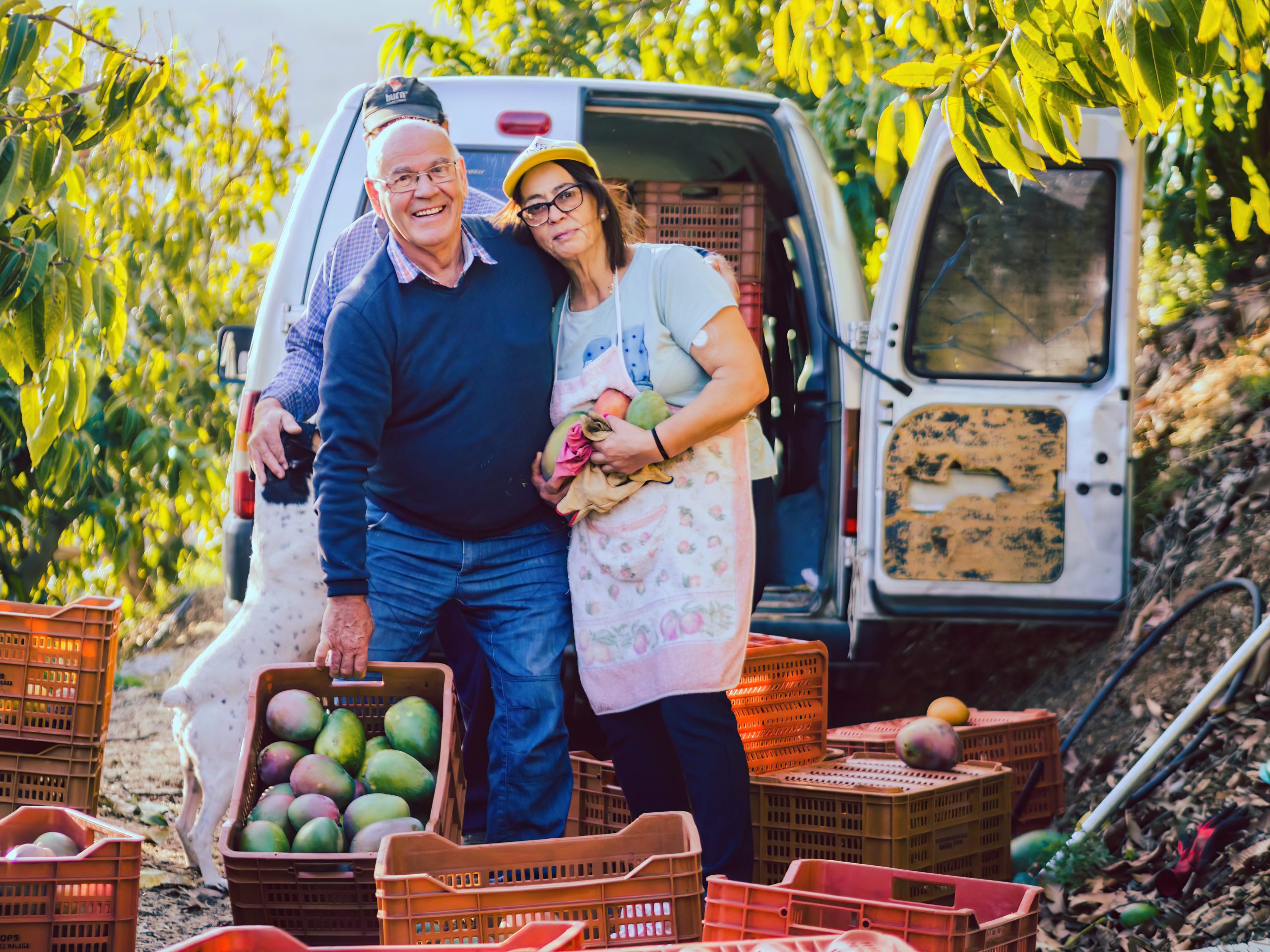
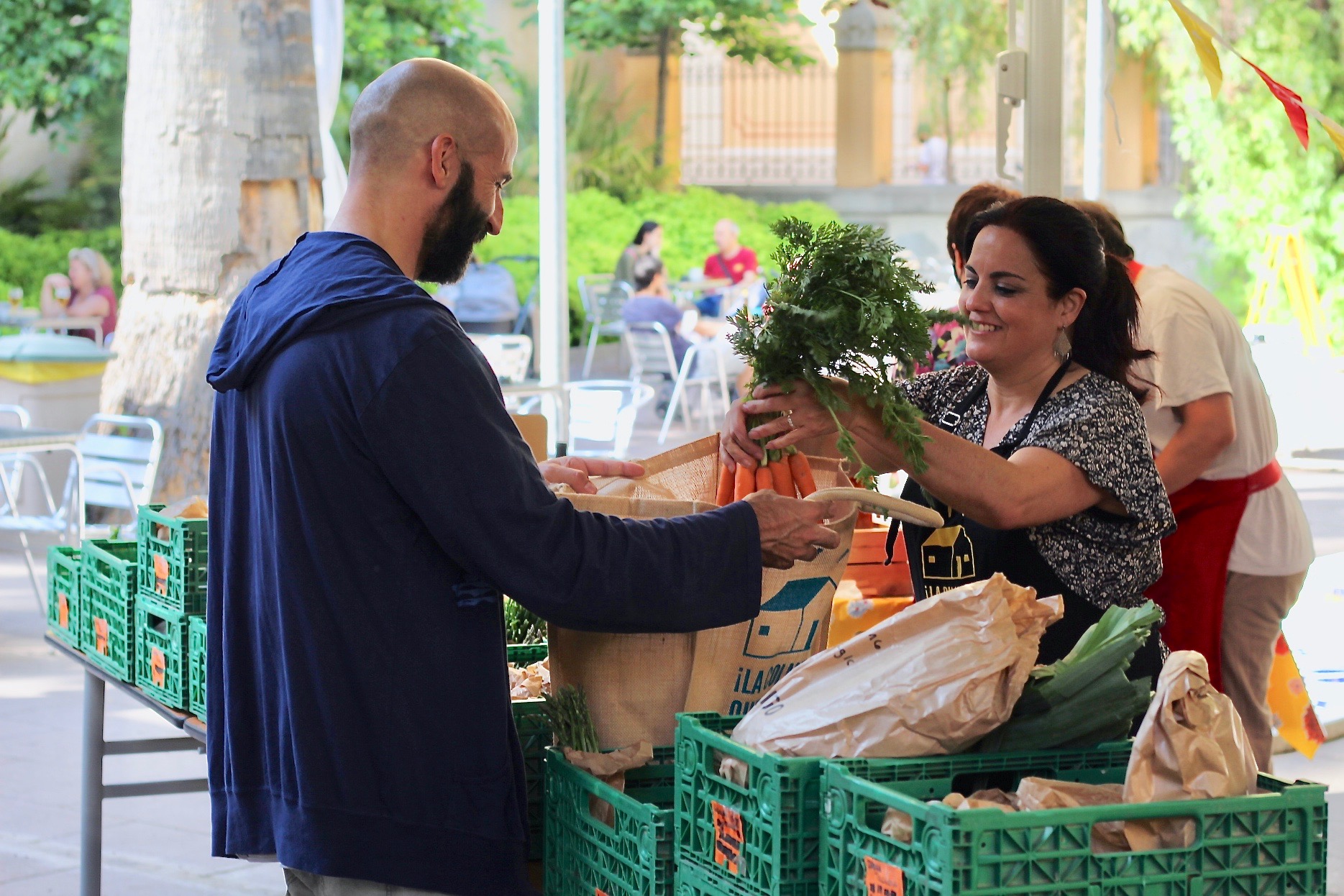
Platforms thrive by building a transparent, resilient market where both producers and eaters win, insulated from global commodity panic and supply chain bottlenecks. By allowing farmers to sell directly to consumers, companies like CrowdFarming can effectively bypass the “Big Five”. Instead of throwing their harvest into a massive, anonymous commodity pool where corporate giants dictate the terms and speculate on the value, farmers connect directly with the people eating their food.
CrowdFarming actively invests in regenerative agriculture, such as providing agronomic training and continuous soil monitoring. And let’s be clear: they don’t do this just out of deep ecological conviction. They also do it because it makes clear business sense. If degraded soil ruins the harvest, or if inputs become so expensive that farmers go bankrupt, the platform simply won’t have any food to sell. Furthermore, direct sales support the transition by acting as a megaphone for the farmers. They give vital visibility to the farmers’ hard work by actively educating consumers about the benefits of regenerative agriculture, ensuring farmers achieve the financial stability they need to confidently change their practices without being squeezed by market speculators.
Healing the soil is no longer a romantic ecological crusade. It is a mathematical and financial imperative. If we all chip in to support the farmers taking this risk, we can dismantle the rigged monopoly and regain strategic control and independence over our global food system.
References and further reading:
- Follow the Money (2024). Why the world’s food system is more fragile than you think.
- Follow the Money (2024). She predicted the 2008 financial crash. Now this UN official fears a global food crisis.
- FAO / UNifeed (2026). Middle East Conflict Agrifood Implications.
- AP News & CRU Group (2026). Fertiliser crisis hits farmers as Iran war disrupts supply.
- European Alliance for Regenerative Agriculture – EARA (2025). Farmer-led Research on Europe’s Full Productivity.
- World Economic Forum – WEF (2024). 100 Million Farmers: Breakthrough Models for Financing a Sustainability Transition
- World Business Council for Sustainable Development – WBCSD (2025). Closing the gap: An analysis of the costs and incentives for regenerative agriculture in Europe.
- Soil Association Exchange & Green Finance Institute (2024). Banking For Change: Addressing Financial Risk as a Barrier to Farm Transition.
- IFOAM Organics Europe (2024). A CAP fit for the future: the vision of the organic movement for the CAP post 2027.
- CrowdFarming (2025). Wealth beneath our feet / Impact and Transparency Report.
Written by Cristina Domecq

Cristina Domecq is the Head of Impact at CrowdFarming. She operates where the boardroom, the field, and social conversations converge, convinced that the clues to fixing the food system are revealed in that intersection. Her goal is to achieve a behaviour change that sticks—a mission that only works if both farmers and consumers are truly on board.
Comments
Keep digging ...