
Looking for more? 

We’re just an email away.

<p></p>

min

Published June 2026

Agriculture and biodiversity: fighting destructive practices

For decades, intensive agriculture has established itself as the dominant model, with the primary objective of increasing yields. Effective in the short term, these practices compromise the resilience and sustainability of agricultural systems in the face of climate hazards and diseases, with harmful consequences for biodiversity. Yet without life in the fields, no crop can thrive sustainably. Feeding humanity should not starve the living world. What if we changed course?

Why do certain practices threaten biodiversity?

Emptying fields of life by killing the soil
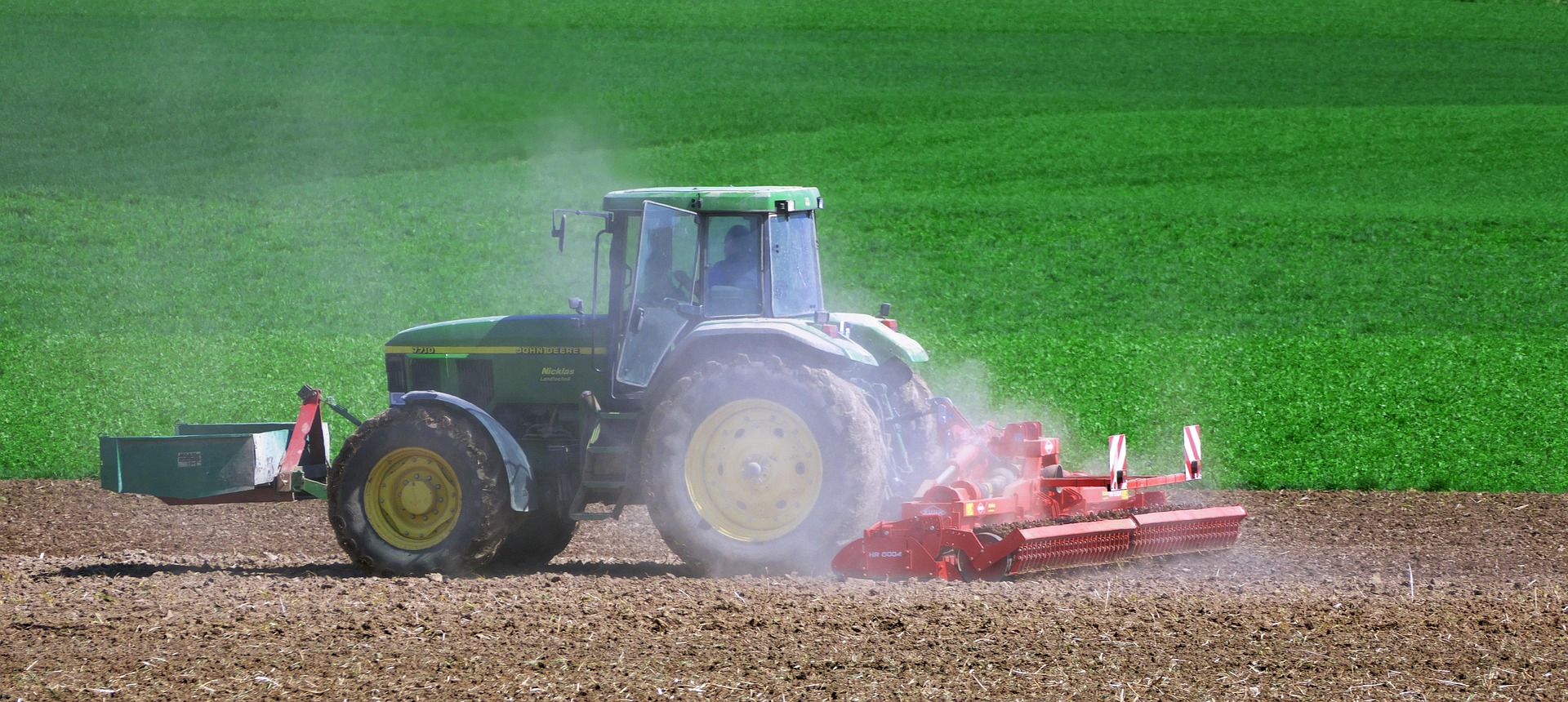
Long considered good agricultural practice, deep plowing disrupts the natural balance of soils. By deeply disturbing the soil layers, microorganisms that normally live in darkness find themselves exposed to air and die. This massacre enriches the soil in the first year, but in reality, the soil is already dead. The other harmful consequence of such deep plowing is the release of carbon stored in the soil, accelerating climate change.

Added to this are the repeated passes of heavy machinery, which compact the soil and crush insect tunnels. The result: suffocated earth, unable to absorb water properly, where plants struggle to grow.

A green desert: monoculture
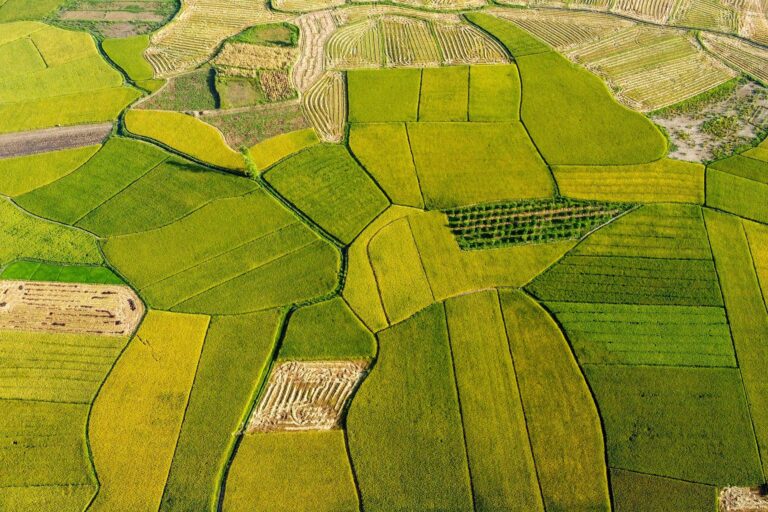
Picture those cornfields stretching as far as the eye can see, wheat across hectares without hedges or groves. This isn’t a nightmare, it’s our current reality that has chosen to favor industrial monoculture for immediate profitability. This disappearance of diversity in cultivated plant species has consequences for insects, birds, and of course the soil. Why? Because soil that sees the same roots pass through it again and again becomes depleted. It loses its nutrients, its life, and above all its ability to regenerate naturally through a diversity of species that could bring it so much.

The result? Farmers compensate for the increasing poverty of their soil with ever more chemical fertilizers. A vicious cycle sets in: pests and diseases spread at very high speed since their predators aren’t there and the weakened crops are easy to find. Yet another opportunity to use massive amounts of pesticides and fungicides that exhaust the land and make plants even more vulnerable.

Pesticides and herbicides: the silent massacre

Herbicides, used to clear the area around crops, kill everything in their path. Glyphosate and its cousins are there to eliminate all plants considered undesirable: dandelion, clover, nettle… Except these plants are essential for feeding our pollinators. Our fields are quickly surrounded by a plant and animal desert.

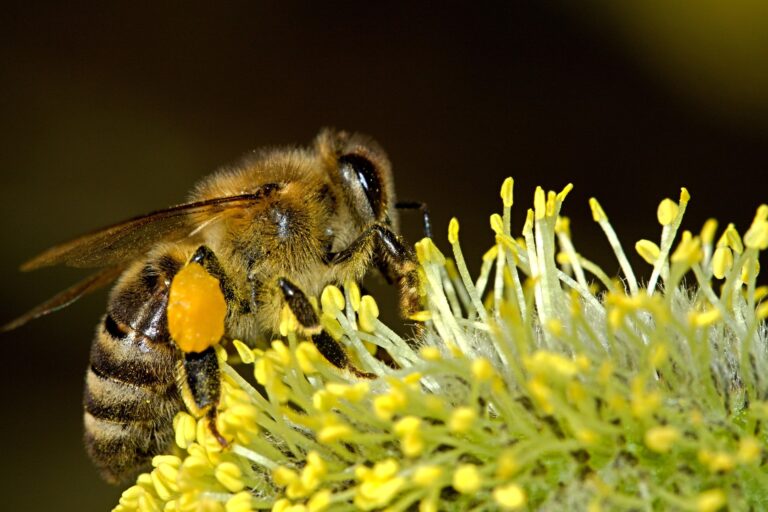
As if that weren’t enough, the massive use of pesticides worsens the situation by causing the death of many pollinators. This is the case with neonicotinoids, which are devastatingly effective. Used as seed coatings (especially for corn, beets, or rapeseed), these products permeate the entire plant so thoroughly that there’s no need to retreat throughout the plant’s lifetime. Convenient, right? Yes, but no. These products contaminate the entire plant, right down to the pollen and nectar. The result: bees poison themselves in small doses, lose their orientation, become sterile, or can no longer find their hive and end up dying. An invisible but very real catastrophe that directly threatens our ability to produce fruits and vegetables.
Another agriculture is possible (and it already exists)

Faced with this vicious cycle that today’s agriculture has entered, thousands of farmers are inventing other paths that are more respectful of life and economically viable.

Bec Hellouin: the model permaculture farm

Nestled in Eure, the Bec Hellouin farm is emblematic because it combines agroecology, permaculture, and energy sobriety. Since 2003, it has been producing vegetables year-round on small areas, relying on services provided by nature (mulching, lasagna gardening, plant associations…). In 2011, an INRA study even showed that this farm was more profitable per hectare than many conventional operations. From 2015 onwards, they synthesized all their research on organic market gardening and created the concept of the permaculture microfarm, which is experiencing strong growth in Europe and various countries.
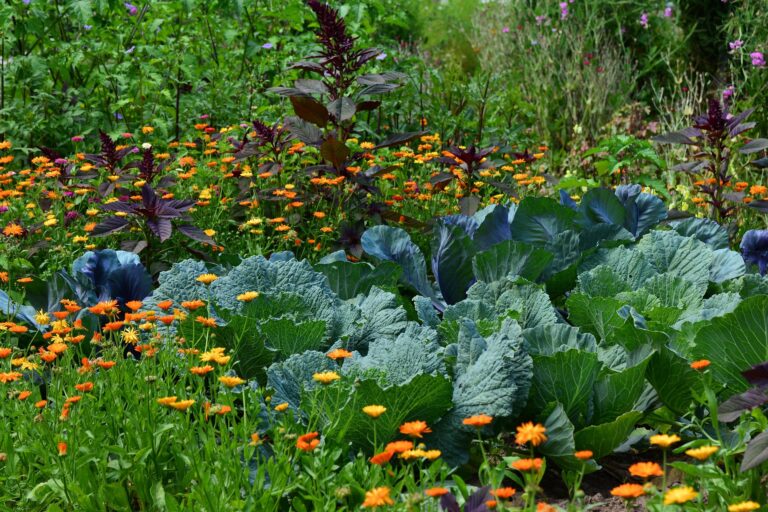
The use of heirloom cereal varieties (more resistant to extreme climatic conditions) as well as improving soil health (composting, mulching, crop rotation) has allowed the farm to stabilize its harvests and reduce soil erosion.

In Austria: biodiversity at the heart of the operation, Grand Farm

Led by Alfred Grand, this 90-hectare farm combines agroforestry, market gardening, and of course soil health (vermicompost production). It also serves as a research center, collaborating with universities to invent tomorrow’s agriculture. In 2024, it received “Regenerative Organic Certified” certification, a first in Europe.

What now?

Changing the agricultural model is urgent. Not only to preserve biodiversity, but also to guarantee sustainable food, living soils, and resilient countryside in the face of climate change. The solutions exist. They are often local, sometimes experimental, but they share the same foundation: putting life back at the heart of agricultural practices.

Written by pauline sutter

pauline sutter

Share this content:

Keep digging ...

<p></p>

<p>5</p> min

Why is growing organic stone fruit so risky?

Understanding the risks of growing stone fruit is key to appreciating why peaches, apricots, and nectarines are so complex to cultivate under an organic and regenerative agricultural model. Their short growing cycle, high sensitivity to weather conditions, and limited post-harvest lifespan create a scenario where precision and timing are critical factors.Why is the stone fruit growing season so short?Most summer stone fruits complete their entire development cycle, from blossom to harvest, in under ten weeks. This rapid evolution drastically reduces the margin for error for the farmer. The window for an optimal harvest is not only brief but also highly variable, depending on the speed of ripening and meteorological events.Increasing climate volatility in Europe adds a layer of unpredictability. A specific example can be found in the region of Catalonia, where organic stone-fruit farmer Jordi Garreta explained how this year’s prolonged spring rains interfered with the fruit set and final ripening, affecting the available harvest volumes. Furthermore, several hailstorms damaged and split some of the fruit.Each variety presents specific vulnerabilities: Cherries are prone to splitting with sudden rains. Apricots are particularly sensitive to thermal stress. Peaches are highly vulnerable to fungal diseases in high-humidity conditions. A regenerative and organic approach to the risks of growing stone fruit Farmer Jordi Garreta, Grup Garreta Farm, Spain In conventional agriculture, the control of pests and diseases often relies on the use of synthetic inputs. The organic and regenerative approach, however, seeks to create a resilient ecosystem, addressing the root cause of pests — an unbalanced ecosystem that allows excessive growth of a specific organism  —  instead of the consequences. As Jordi Garreta explains: Jordi Garreta Farmer at Grup Garreta Scientific research supports these practices. For example, a 2022 study What are climacteric fruits, and how does it affect their flavour?Most stone fruits (with the exception of cherries) are climacteric, meaning they continue to ripen after being picked, thanks to the internal production of ethylene. While this allows farmers to ship fruit that is still firm, it demands precise timing. Harvesting too early results in flavourless fruit; harvesting too late makes transport difficult, especially in organic farming where many chemical preservatives and treatments are prohibited.Post-harvest losses are one of the biggest challenges facing the food system. According to the FAO, fruits and vegetables suffer the highest loss rates, exceeding 20% ​​globally before even reaching stores. Within this category, delicate and perishable fruits such as stone fruit are particularly vulnerable to mechanical damage and over-ripening, specially given the high temperatures in the season in which they are harvested and shipped.This is where production models diverge significantly: The conventional model: The food industry has adapted to these biological limits through early harvesting, cold storage, and prioritising varieties selected for their durability rather than their organoleptic (smell and flavour) qualities. Supermarkets often pressure producers to deliver uniform, long-lasting products at low prices. This model depends on an intensive cold chain and production surpluses, which typically ends up in high food waste and comes at the expense of flavour and nutritional density. It is estimated that stone-fruit losses from farm to table can range from 20 to 50% globally.  The direct sales model: By harvesting on demand, the fruit is picked at its point of physiological maturity, prolonged cold storage is avoided, and overproduction is reduced. This not only minimises food waste but also preserves the product’s integrity and allows for fairer pricing structures that reflect the high risk and labour intensity required to grow these fruits without synthetic inputs. A practical guide to at-home conservationOnce the fruit arrives at your home, its proper handling is essential to enjoy its maximum quality. Ripen at room temperature: If your peaches, nectarines, or apricots are still firm, leave them at room temperature, away from direct sunlight. To know if a peach or apricot is ripe, the key is not always the colour, but the touch and the aroma. You will know they are ready when they yield slightly to a gentle press and give off a fragrant aroma. Refrigerate after ripening: Once ripe, you can move them to the fridge to extend their life for a few more days. Low temperatures (especially below 8 °C) can impair the development of flavour and texture in fruit that has not yet ripened. The case of cherries: As they are non-climacteric, cherries do not ripen after harvesting. They should be refrigerated immediately to maintain their freshness. Wash just before eating: Avoid washing the fruit before storing it, as moisture can accelerate its decay. Wash it just before you intend to eat it. To know more about how to handle your summer fruit, here you have a specific article to guide you through.Towards a resilient model for a vulnerable sector Farmer Anita Minisci, Azienda Agricola San Mauro, Italy The combination of short seasons, high climate sensitivity, and market pressures are the main risks of growing stone fruit, making summer stone fruit production one of the most complicated sectors of organic fruit farming. As climate volatility increases, producers will face greater uncertainty. Supporting producers through transparent and direct supply chains is not just a consumer preference; it is an essential shift to sustain production models that prioritise soil health, quality nutrition, and long-term resilience. 

Read