
Published August 2026
Agriculture and biodiversity: fighting destructive practices
For decades, intensive agriculture has established itself as the dominant model, with the primary objective of increasing yields. Effective in the short term, these practices compromise the resilience and sustainability of agricultural systems in the face of climate hazards and diseases, with harmful consequences for biodiversity. Yet without life in the fields, no crop can thrive sustainably. Feeding humanity should not starve the living world. What if we changed course?
Why do certain practices threaten biodiversity?
Emptying fields of life by killing the soil
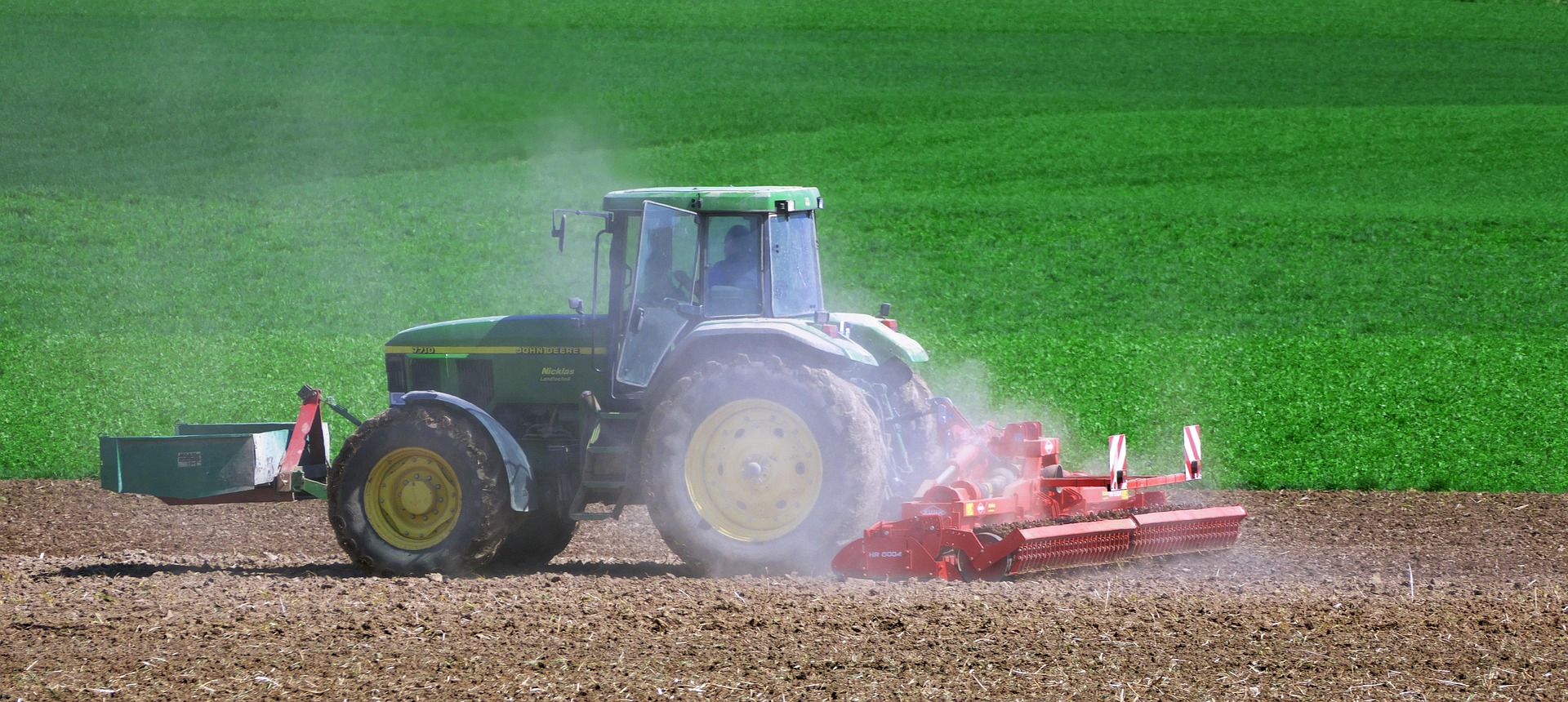
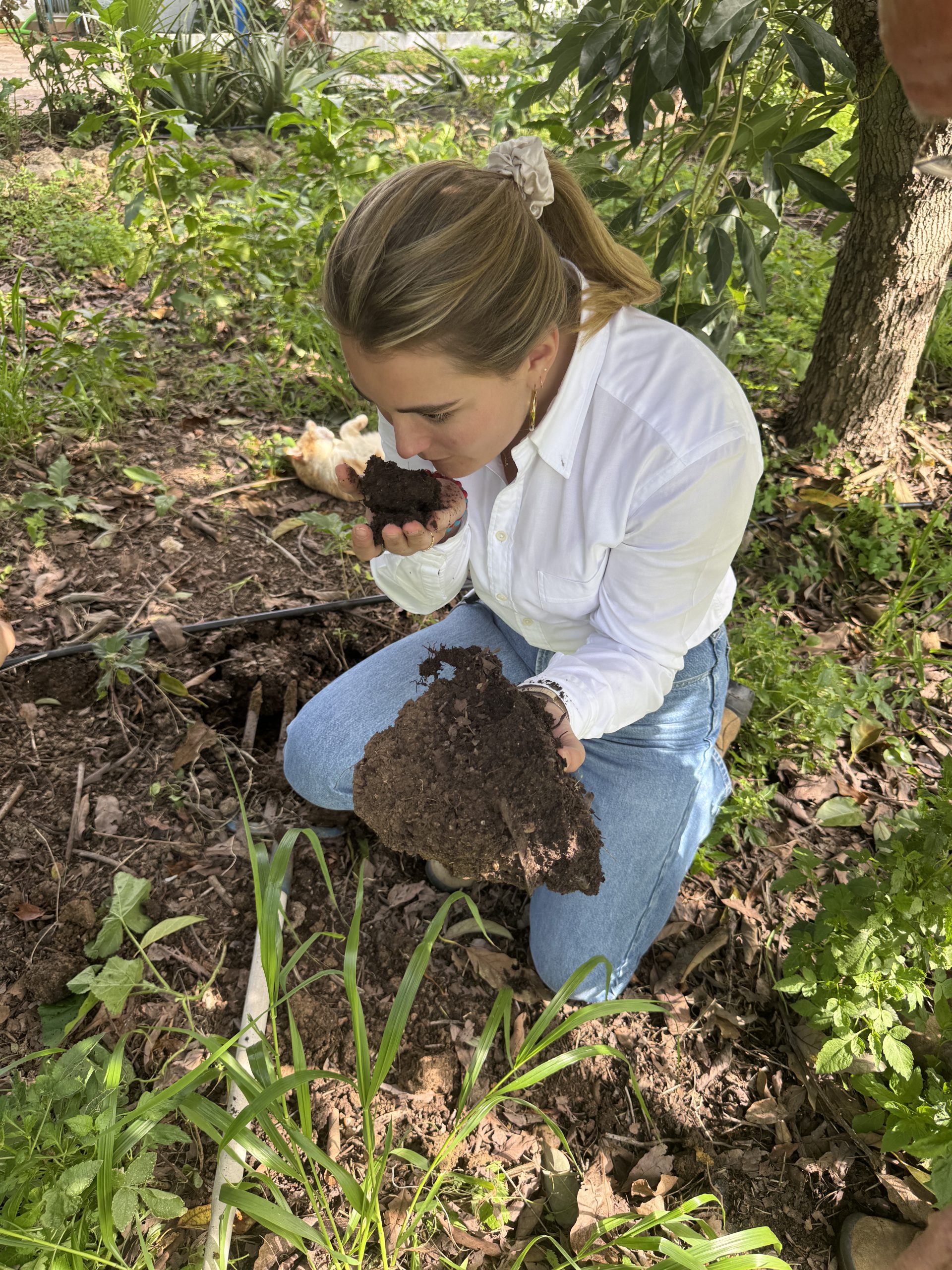
Long considered good agricultural practice, deep plowing disrupts the natural balance of soils. By deeply disturbing the soil layers, microorganisms that normally live in darkness find themselves exposed to air and die. This massacre enriches the soil in the first year, but in reality, the soil is already dead. The other harmful consequence of such deep plowing is the release of carbon stored in the soil, accelerating climate change.
Added to this are the repeated passes of heavy machinery, which compact the soil and crush insect tunnels. The result: suffocated earth, unable to absorb water properly, where plants struggle to grow.
A green desert: monoculture
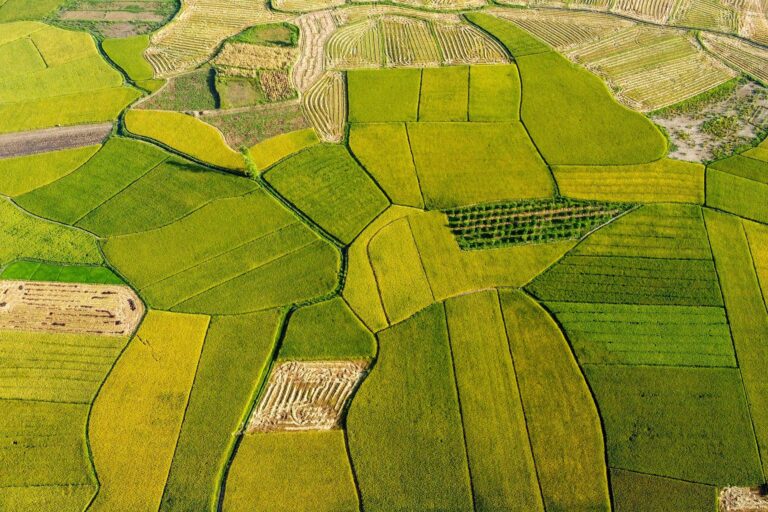
Picture those cornfields stretching as far as the eye can see, wheat across hectares without hedges or groves. This isn’t a nightmare, it’s our current reality that has chosen to favor industrial monoculture for immediate profitability. This disappearance of diversity in cultivated plant species has consequences for insects, birds, and of course the soil. Why? Because soil that sees the same roots pass through it again and again becomes depleted. It loses its nutrients, its life, and above all its ability to regenerate naturally through a diversity of species that could bring it so much.
The result? Farmers compensate for the increasing poverty of their soil with ever more chemical fertilizers. A vicious cycle sets in: pests and diseases spread at very high speed since their predators aren’t there and the weakened crops are easy to find. Yet another opportunity to use massive amounts of pesticides and fungicides that exhaust the land and make plants even more vulnerable.
Pesticides and herbicides: the silent massacre
Herbicides, used to clear the area around crops, kill everything in their path. Glyphosate and its cousins are there to eliminate all plants considered undesirable: dandelion, clover, nettle… Except these plants are essential for feeding our pollinators. Our fields are quickly surrounded by a plant and animal desert.
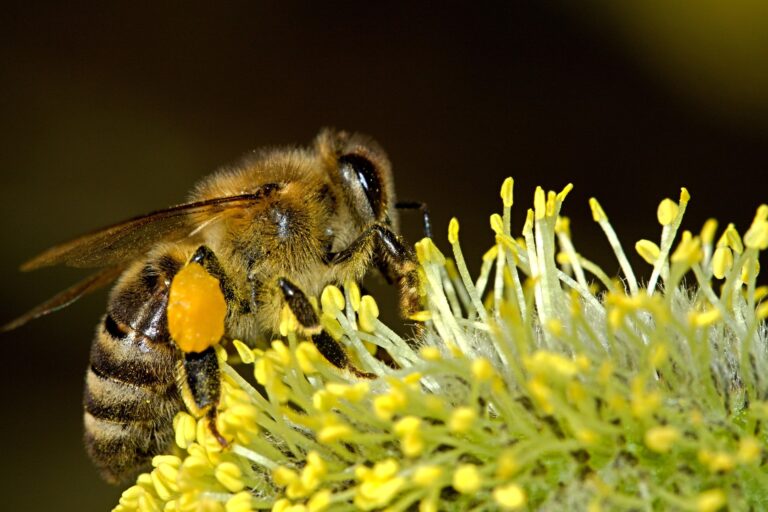
As if that weren’t enough, the massive use of pesticides worsens the situation by causing the death of many pollinators. This is the case with neonicotinoids, which are devastatingly effective. Used as seed coatings (especially for corn, beets, or rapeseed), these products permeate the entire plant so thoroughly that there’s no need to retreat throughout the plant’s lifetime. Convenient, right? Yes, but no. These products contaminate the entire plant, right down to the pollen and nectar. The result: bees poison themselves in small doses, lose their orientation, become sterile, or can no longer find their hive and end up dying. An invisible but very real catastrophe that directly threatens our ability to produce fruits and vegetables.
Another agriculture is possible (and it already exists)
Faced with this vicious cycle that today’s agriculture has entered, thousands of farmers are inventing other paths that are more respectful of life and economically viable.
Bec Hellouin: the model permaculture farm
Nestled in Eure, the Bec Hellouin farm is emblematic because it combines agroecology, permaculture, and energy sobriety. Since 2003, it has been producing vegetables year-round on small areas, relying on services provided by nature (mulching, lasagna gardening, plant associations…). In 2011, an INRA study even showed that this farm was more profitable per hectare than many conventional operations. From 2015 onwards, they synthesized all their research on organic market gardening and created the concept of the permaculture microfarm, which is experiencing strong growth in Europe and various countries.
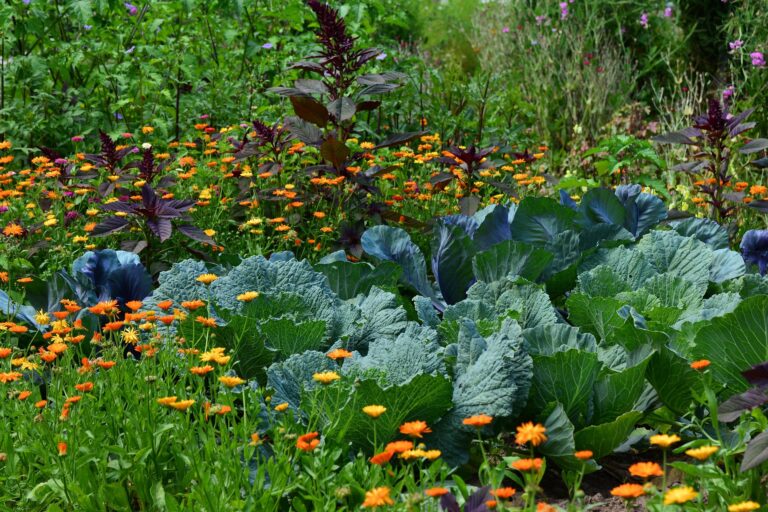
The use of heirloom cereal varieties (more resistant to extreme climatic conditions) as well as improving soil health (composting, mulching, crop rotation) has allowed the farm to stabilize its harvests and reduce soil erosion.
In Austria: biodiversity at the heart of the operation, Grand Farm
Led by Alfred Grand, this 90-hectare farm combines agroforestry, market gardening, and of course soil health (vermicompost production). It also serves as a research center, collaborating with universities to invent tomorrow’s agriculture. In 2024, it received “Regenerative Organic Certified” certification, a first in Europe.
What now?
Changing the agricultural model is urgent. Not only to preserve biodiversity, but also to guarantee sustainable food, living soils, and resilient countryside in the face of climate change. The solutions exist. They are often local, sometimes experimental, but they share the same foundation: putting life back at the heart of agricultural practices.
Written by pauline sutter

Keep digging ...