
Looking for more? 

We’re just an email away.

min

Published January 2026

Dismantling the cheese issue

Did you know that stricter animal welfare regulations can actually accelerate the increasing expansion of factory farms? 

The topic of animal products has become a subject of heated discussions in the past decade. There’s a seemingly unbreachable chasm between vegans and meat lovers, farmers and politicians, climate scientists and nutritionists. While we do not sell meat at CrowdFarming, we do sell cheese. We are often confronted with whether that choice is in keeping with our sustainability ethos both internally and externally. This is why we invited experts from two sides to discuss the different aspects of animal husbandry and cheese production: Cristina Domecq, our Sustainability Director, and Antonia Herm-Stapelberg, our Farmer Analyst and daughter of dairy farmers. They help us dismantle the two main issues – environmental impact and animal welfare – but also touch upon the social implications and what the reality for our farmers looks like.

https://youtu.be/IjVX6d1RfUc


Although the topic is complex and very controversial, we did our best to answer all of the most common questions we receive regarding milk production, including:

  • Is there a distinction between organic and non-organic in terms of animal welfare?
  • Why are the young separated from their mothers right after birth?
  • What is the difference between cheese from the supermarket and CrowdFarming cheese?

Listen in to find out more! 

You can download the episodes of our podcast in audio format on all of the usual streaming platforms (Spotify, ApplePodcasts, you name it) or here.

Written by Emmeline Hess

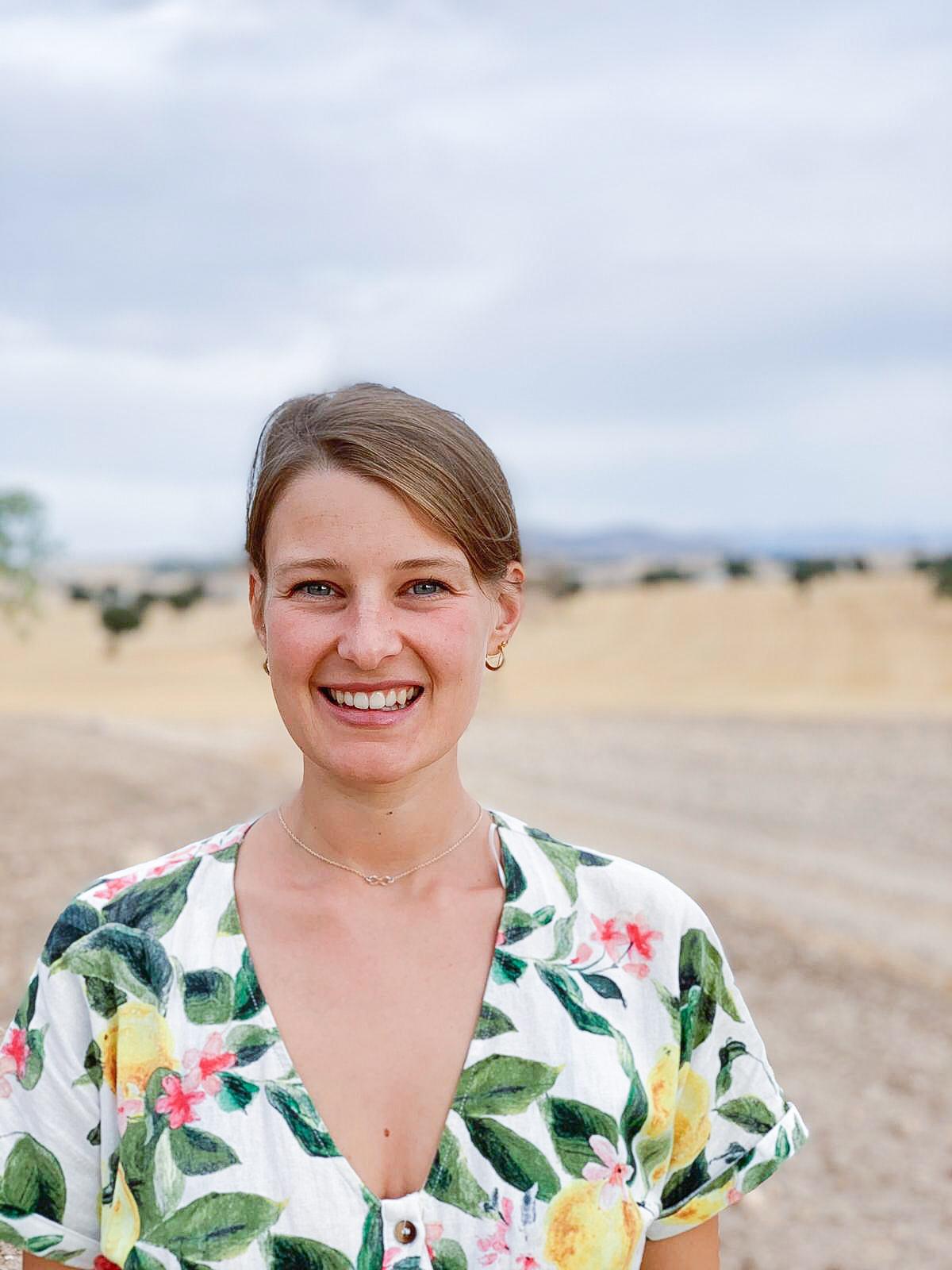
Emmeline Hess

Emmeline es experta en comunicación, vocación que ha estado ejerciendo durante más de 9 años en empresas con enfoque en la sostenibilidad.

Esta nueva podcaster es una gran aficionada a la comida, una preocupada por el cambio climático (aspirante a guerrera) y le gusta una buena discusión casi tanto como los perros.

Share this content:

Keep digging ...

48 min

Why Regenerative Agriculture makes business sense

#308 | December 2025

What if the future of farming was not only better for biodiversity and soil health, but also a smarter long-term investment? In this episode of What The Field?!, we sit down with Alessia Lenders, Head of Impact at SLM Partners, a pioneering investment firm proving that ecological farming and solid financial performance can go hand in hand. Alessia’s journey into regenerative agriculture did not begin in the fields but in the world of traditional finance. Searching for investment solutions that could genuinely improve biodiversity, she found herself returning again and again to agriculture: one of the biggest drivers of environmental degradation, but also one of the greatest opportunities for change. Today, SLM Partners manages more than 760 million dollars in farmland and forestland across the United States, Australia and Europe. Their approach is simple yet radical: invest in land, partner with skilled farmers, and scale regenerative systems that rebuild soil, protect water and secure long-term productivity. What you will discover in this episode 1. The economic logic behind regenerative agriculture Alessia explains why long-term, patient capital fits naturally with regenerative transitions: healthier soils, more diverse revenue streams (including carbon projects in Australia) and more climate-resilient farms. Far from being a financial compromise, regenerative systems can improve profitability by reducing input costs, stabilising yields and tapping into premium and organic markets. 2. Why investors are turning to farmland Farmland behaves differently from stocks and bonds, which makes it an attractive diversifier for institutional investors. SLM adds another layer: regenerative farms that can outperform conventional systems over the long term while delivering measurable environmental impact. 3. The crucial role of the farmer SLM’s model is farmer first. They partner with experienced growers who want to expand but lack the capital to acquire land. SLM buys the land, the farmer manages it and both commit to a regenerative transition adapted to local realities. The result is a partnership that supports young farmers, protects landscapes and proves that ecological agriculture can scale. 4. A clearer picture through data From soil microbiology to water modelling, biodiversity indicators and carbon estimates, SLM collects an extraordinary amount of data to understand and communicate how landscapes change over time. This allows them to build business models that anticipate droughts, evaluate water security and verify real ecological outcomes. 5. Regenerative agriculture is not one size fits all Whether transitioning almond orchards in Spain, grasslands in Australia or mixed farms in the United States, SLM adapts regenerative principles to each context. For some farms, the target is organic certification. For others, it is a regenerative outcome-based approach focused on soil health, biodiversity and long-term resilience. This episode goes deeper than we ever have into the financial mechanics behind regenerative agriculture. It is a rare look at how capital, ecology and farming come together to build food systems that work for both people and the planet. If you have ever wondered whether regenerative agriculture really adds up financially, ecologically or both, this is the conversation you will not want to miss.  

Listen