



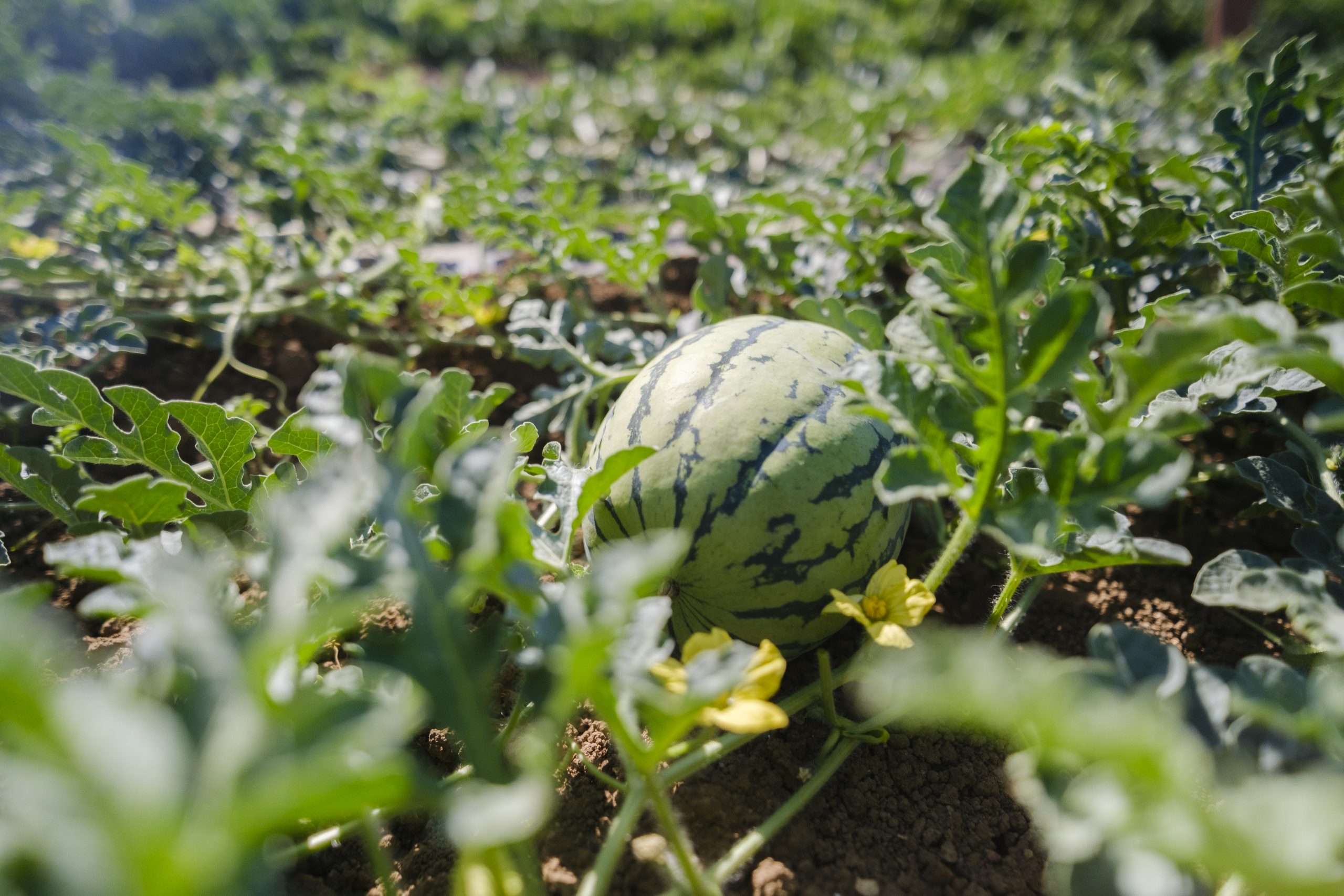
"Young farmers: 42% at CrowdFarming vs. 12% industry average in agriculture."
Published August 2026
Thoughts on the first half of 2026
Written by Gonzalo Úrculo, farmer, CEO and co-founder of CrowdFarming.
Note: I wrote this text as an internal document to align the people who work at CrowdFarming every day. For a couple of years now, I have also shared it with our community of farmers, customers, and suppliers.
At the end of the article, you will find a glossary explaining the meaning of technical terms or internal jargon marked with an asterisk (*) throughout the text.
Has sustainability gone out of fashion?
I haven’t read company statements on sustainability on LinkedIn or in the press for a while. It’s as if sustainability managers have now transformed into AI gurus.
It very much looks like the sustainability that was done for outward appearances has lost momentum in the corporate world. And this, in my opinion, is positive because it reduces noise and allows actions to speak for themselves.
Corporate sustainability is a competitive advantage when it is part of a company’s culture. Well-applied sustainability achieves positive and sustained effects over time on business metrics.
During this first half of the year, we have managed to reach these business metrics, not through a one-off effort but through constant drive in the same direction:
- 2,969 farmers selling their harvests at a fair price.
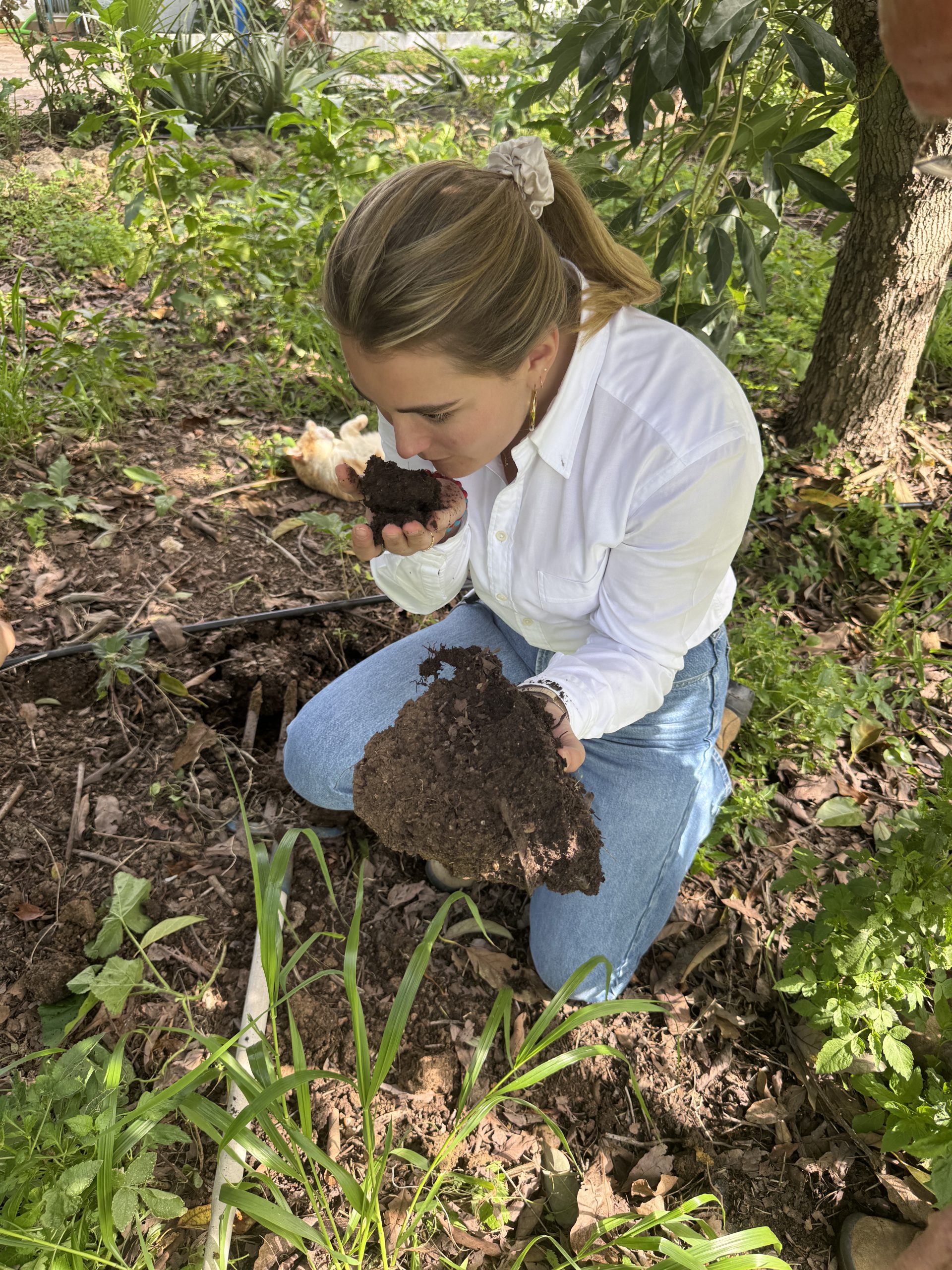
- Soil analysis conducted on 47 new farms to measure the impact of regenerative practices, and designing an agronomic programme together with the farmers to increase their soil’s natural fertility in the long term. With these 47, there are now 100 farms within our regenerative organic farming programme.
- €1,794,784.43 in sales of fruits and vegetables in conversion to organic. Receiving a fair, predictable, and stable price is especially key when a farmer is in the delicate phase of conversion to organic because their trees usually experience a drop in productivity.
- 25% increase in sales of All Is Good* (our brand of processed products) compared to last year.
And furthermore, we are starting to see the results of our efforts at an economic level. For the first time in 5 years, we have finished the first half of the year with positive EBITDA*, and growing at double digits. Betting on the direct production and sale of organic products is profitable.
To achieve this positive EBITDA*, we have all had to make sacrifices and prioritise spending items well.
An example of this is that we have not renewed our B Corp* seal. It was a difficult decision because this seal has positive aspects. Renewing the seal cost €16,000 this year and, thinking clearly, although it’s cool to have a company audit the sustainability of your operations, we saw that we weren’t getting the most out of it and that this money (a scarce resource in our startup) could be dedicated to more farmer training and to raising the salaries of some profiles in our team. We do not rule out getting recertified in a couple of years.
Successes to celebrate from the first half of the year
Successes must be celebrated. Especially those you pursue, but also those you achieve almost by accident. I have found that when you surround yourself with good people, the mission that unites you is pure, motivating, and ambitious; along the way, good things happen that you didn’t even count on.
We do not have a goal to reach a certain percentage of young farmers selling through{Brand} CrowdFarming but we were very excited to see that, naturally, we have achieved a metric that is well above average.
The success we have fought for the most has been the reduction of delivery incidents, especially during the summer months.
Thanks to quality audits in the field, good coordination between the field and logistics teams, and proactive communication with customers, we have managed to reduce the percentage of orders with reported incidents during the second quarter from 3.5% in 2025 to 2.9% in 2026. Staying below 3% is a success for the most difficult time of the year, with high temperatures at both origin and destination. Next year, we will fight to stay below 2.5%.
When you work with fresh produce and do not apply fungal treatments to preserve its appearance, having incidents is something we must accept.
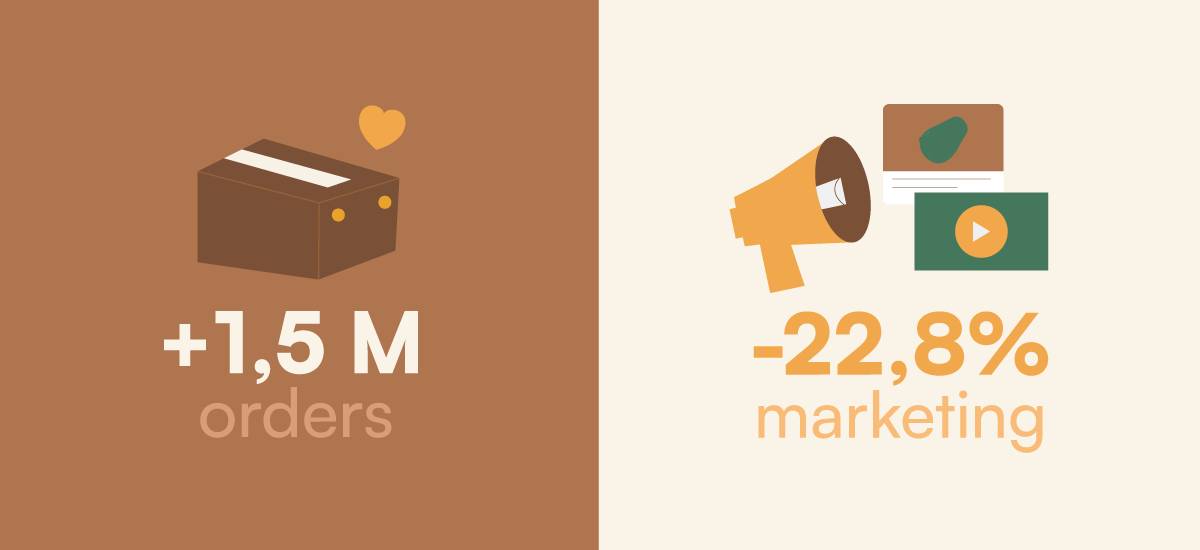
Fewer incidents translate to fewer frustrated customers. And this is reflected not only in the number of positive reviews but also in more sales for our farmers: during the first six months, we sold 162,407 more orders than last year, surpassing the 1.5 million order mark.
And the magic is that we achieved this with €784,579 less in marketing spend, which represents a 22.8% reduction compared to the 2025 investment.
Our position on subsidies
The CrowdFarming culture is more about executing than debating. Especially when it comes to debates on macro issues that are not directly related to our mission.
But there are two issues on which we have decided to take a stand: subsidies and organic farming.
Subsidies granted in a prolonged and generic way do not help farmers. Some farmer friends get angry with me when I criticise the purpose of certain subsidies.
"Don't say that, Gonzalo. If they take away the subsidies, the farms will die."
"Without subsidies, supermarkets would bring everything from abroad because they wouldn't pay what it actually costs to produce here. We wouldn't be able to work."
"You dare to say that because you sell online and have a good margin, but otherwise, the numbers wouldn't add up."
The more I know about market dynamics, the more certain I am that we farmers would be better off if the farming industry didn’t receive so many subsidies.
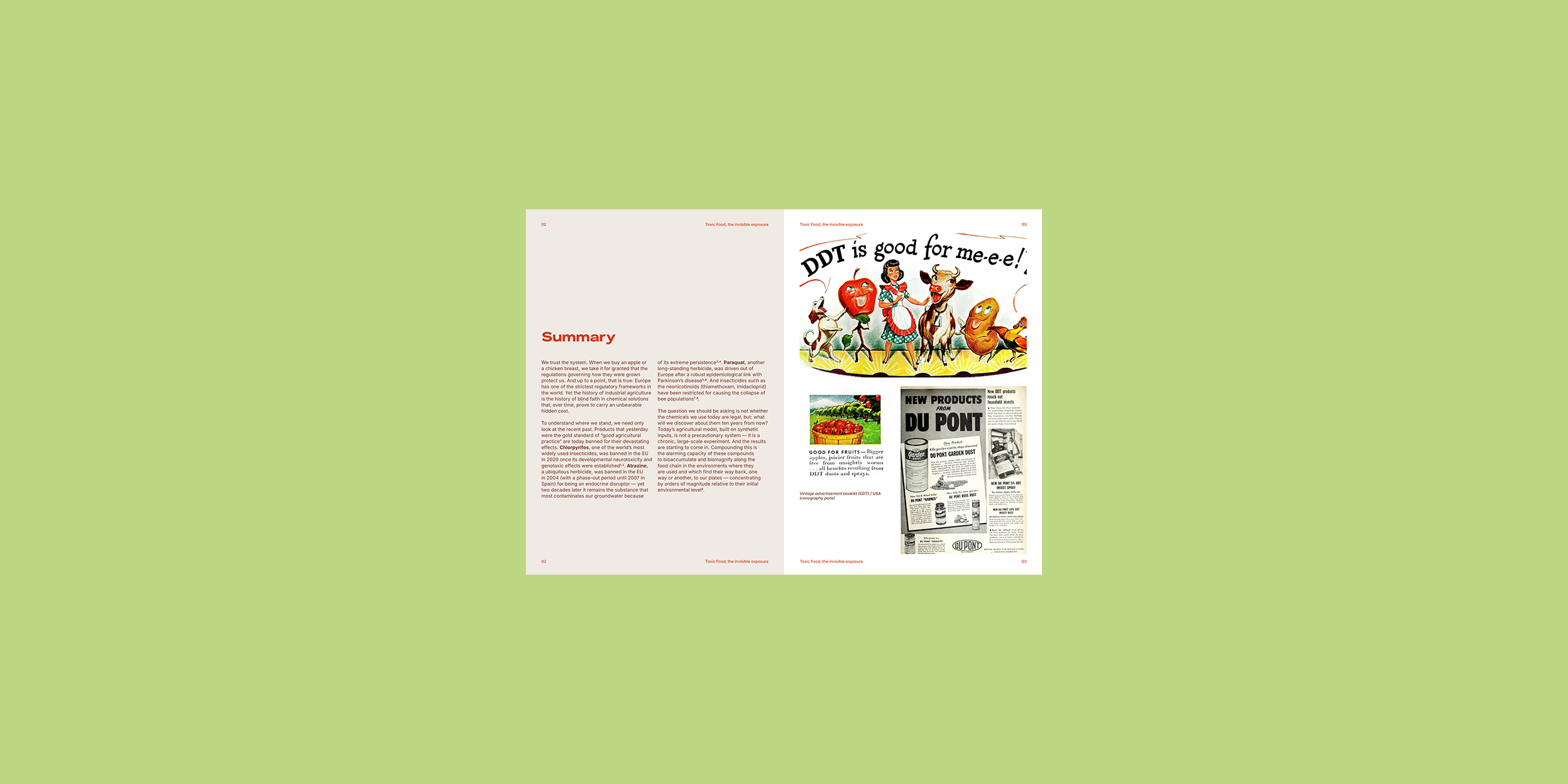
Agricultural aid (the Common Agricultural Policy) accounts for nearly a third of all EU spending. And yet, between 60% and 70% of European soils are degraded, having lost fertility at an accelerated rate over the last five decades. It is becoming increasingly difficult for us to produce food.
The EU has been subsidising it’s farms for decades and the most basic goal has not been achieved: improving or at least maintaining its natural fertility.
As always, there are exceptions. There are very useful subsidies, such as those of a one-off nature that encourage entrepreneurship—soft loans for a young farmer who wants to buy a few hectares or a tractor—or those that offer one-off aid to an area affected by an extreme weather event or training in organic farming.
But subsidies just for farming, in an attempt to make European products price-competitive, are a bottomless pit. They create a market that favours the supermarket, which can pay a lower price to the European farmer.
European products must differentiate themselves through quality, and by quality, I mean being organic, more nutritious, and fresher. And if the supermarket wants to sell European products to improve its image with the consumer, it must pay for their real value. This is something that doesn’t happen when you buy something subsidised.
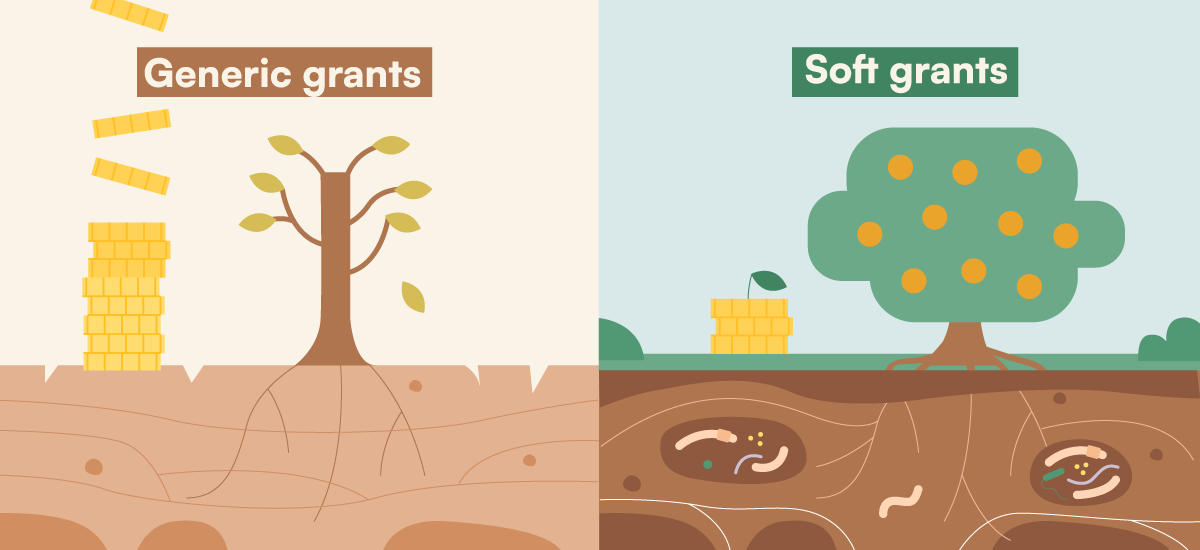
With fewer subsidies, perhaps there would be lower taxes and more purchasing power for the consumer. Or that money could even be used to educate society on the importance of good nutrition or greater environmental awareness.
A well-educated consumer has a more powerful effect than any subsidy. Sustaining a system with artificially low prices through subsidies will cost us all (farmers and consumers) more and more.
On the other hand, we must see farmers not only as those who produce food but also as those who care for and repair Europe’s largest infrastructure: agricultural and grazing land. Good soil care improves biodiversity and resilience to extreme weather events or large fires. And we all benefit from this.
Perhaps subsidies should be transformed into a payment for a service to farmers who are actually caring for and improving the soil? Like construction or service companies that repair roads.
And regarding organic farming
In 1991, the European Union agreed (bravo!) to create harmonised organic farming regulations among all member countries.
This regulation has created a single, reliable standard with a seal recognised by the consumer. Before 1991, there were multiple national and private standards; today, any product with the Euro-leaf complies with the same rules throughout the EU.
The organic surface area in the EU has grown from 5 million hectares in the early 2000s to more than 17 million today, representing 11% of European agricultural land. This is still far from the 25% target the EU set to reach by 2030.
All the mechanisms the EU has put in place are based on subsidies for farmers.
But subsidies do not create a market. To be encouraged to take the step, farmers need technical support and to see that there is a growing demand that offers them some sales security at a competitive price. And this is where direct sales play a key role.
At CrowdFarming, we don’t just sell products that are already organic; we have created and must continue to increase the market size for products in transition to organic. It is the most effective way to convince a farmer.
Through our mixed box, more than 40 fruit and vegetable farmers are able to sell their products during the most critical stage: the 3-4 years that must pass until a tree can be certified and get used to a new way of farming without pesticides or chemical synthetic fertilisers.
I cannot think of a metric that better defines our success than the number of farmers who switch to organic thanks to sales security.
To avoid getting discouraged, let’s forget about the EU target, which the European Environment Agency now acknowledges is unlikely to be met in the remaining years. The current surface area would have to double. Let’s keep succeeding farmer by farmer, farm by farm. We have the most effective team and methodology to achieve it: a direct sales channel that offers them sales security at a fair price.
Upcoming launch of Harvest Pass
A well-informed customer and farmer sustain the transition to organic better than any subsidy.
When a customer buys directly, they are choosing the type of agriculture they want. When a farmer receives a fair price for their crops, they have the possibility to invest in the most effective way to improve their soils, rather than the most effective way to get a subsidy.
Over the last year, we have organised 10 courses in 10 European regions to explain key concepts of regenerative organic farming to 160 farmers and share success stories they can replicate or at least be inspired by.
In addition to training, we are supporting farmers with soil analysis and technical assistance. At the same time, we fuel demand by generating awareness and investing in research that we then share with an audience of 2.5 million people.
To coordinate all these actions, in 2024 we launched the 1% for the Soil programme: since then, we have allocated 1% of sales from regenerative organic farm products to fund these actions. This amount is deducted from our margin, without affecting what the farmer receives or what the consumer pays.
Over the coming months, we will be launching the biggest action in support of organic-regenerative agriculture in our history.
On one hand, a free membership to the 1% for the Soil community, to stay up to date with advances in the regenerative movement and propose ideas on how to invest the funds.
We will also be launching the Harvest Pass, a paid membership that contributes to the financing of this programme in exchange for volume savings on purchases and early access to the full harvest catalogue from organic-regenerative farms.
Our biggest mistakes (or the most expensive lessons)
In direct sales, logistics failures and quality audit gaps that result in a product arriving in poor condition are the most costly mistakes. Not because of the refund on the affected order, but because of the loss of trust from the customer who experiences it, especially if it is one of their first orders.
In July we launched a new service allowing customers to quickly and easily raise an issue if something arrives in poor condition. It is delivering very strong results, both in terms of ease of use for the customer and in helping farmers and us to better understand how the issue occurred (thanks to the information and photos provided by the customer).
On the climate front, a variable that always forces us to have a plan B, or even a plan C or D ready, this semester found us better prepared. Even so, in May our farmers were left without quality cherries due to hail damage, and to avoid complaints we had to propose changing the composition of some mixed boxes. This triggered a spike in order cancellations in our monthly mixed fruit subscription.
It was an unforeseen event that hit us hard economically. Up to that point, the number of households receiving a monthly mixed box of 3 seasonal fruits had been growing steadily. In May, 3,333 out of a total of 70,927 subscribed households cancelled their subscription. It is the organic fruit subscription box with the most subscribers, which allows us to guarantee demand for the farmers who take part.
Rethinking tree adoptions
Tree adoptions were decisive in my early days as a young farmer and were the seed of what CrowdFarming is today.
In 2010, my brother and I took over my grandparents’ orange grove in Bétera, near Valencia. Half the trees were severely weakened by Phytophthora* and when we made the switch to organic (with very little experience), they didn’t survive and died.
The situation was: half the farm productive, the other half dead. A grant awarded to us as young farmers was slow to arrive because the Valencian Regional Government was on the brink of default* and delayed the payment.
We needed to replant more than 10,000 orange trees but had neither the money to finance it nor any guarantee we could sell the harvest if we did.
At that point, with our backs against the wall, we created and launched the idea of adopting an orange tree: customers paid for the annual upkeep and chose a name for their tree. We planted it and reserved for them the harvest from an adult tree, which they received throughout the season.
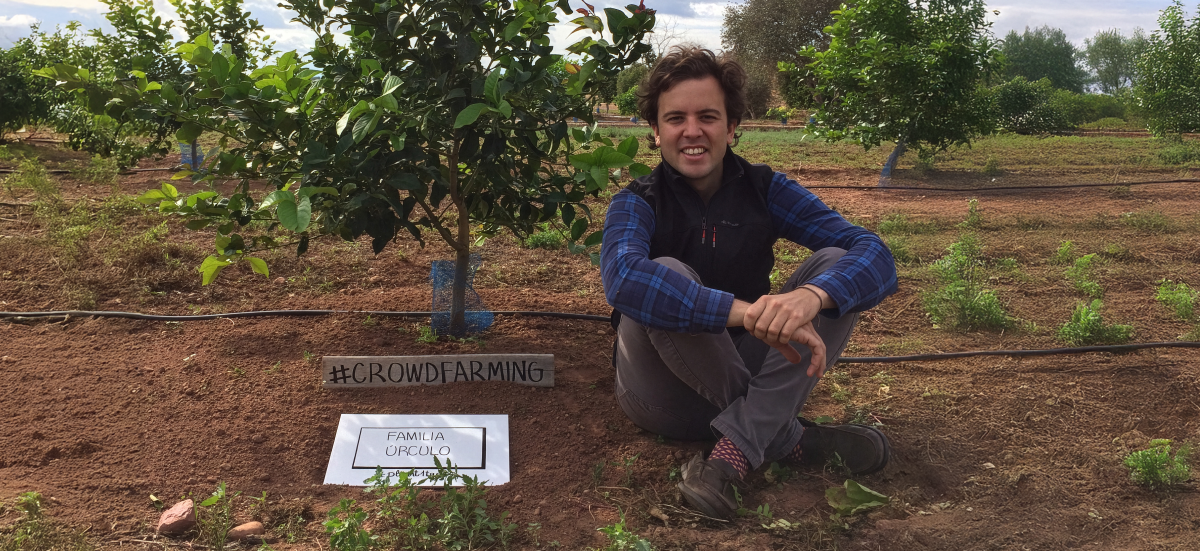
Photo from 2015 with one of the first adopted trees.
For our farm, and for 259 others, adoptions today represent a guaranteed sale at a fixed price. Thanks to adoptions, new farmers are able to certify their crops as organic every year.
The benefits of adoptions for farmers have always been clear, but what about for consumers? Beyond being able to have a tree in their name, have we managed to explain all the advantages?
During this first half of the year we have been redefining the system to make it more straightforward and more beneficial for consumers. Someone who adopts a tree will get the best price, will have priority if the harvest is limited, will receive agronomic updates on how their tree is developing, and will be able to visit the farm free of charge.
We have set ourselves the goal of helping more than 50,000 trees transition to organic over the next 12 months.
Adoptions were the beginning, and they are also the future for direct sales of organic products to keep growing.
We make organic-regenerative agriculture possible for farmers and accessible for consumers.
Glossary and sources
- EBITDA: operating profit before interest, taxes, and depreciation.
- Phytophthora: a soil fungus that causes root rot.
- Organic-regenerative agriculture: Refers to a holistic and results-driven approach that builds on the foundations of organic farming to actively restore ecosystems while improving farmers’ livelihoods. Where organic sets the baseline (eliminating synthetic inputs and protecting soil from chemical degradation) regenerative goes further, combining practices such as cover cropping, minimal tillage, and livestock integration to improve soil health, increase biodiversity, sequester carbon and water, and enhance the nutrient density of food. At CrowdFarming, we understand that organic-regenerative agriculture is context-specific: what matters most is demonstrating that the actions taken on each farm are having a measurable, positive impact on the environment.
- AIG (All Is Good): our brand of processed products. All Is Good products are made from harvest surpluses or delicate fruit that cannot travel to its destination without spoiling on the way. It is a way of ensuring that all fruit and vegetables have commercial value.
- Default: Between late 2011 and 2012, the Valencian Regional Government came close to defaulting: it accumulated nearly €5 billion in outstanding obligations and required extraordinary state mechanisms to avoid a wider suspension of payments.
Written by Gonzalo Úrculo

Gonzalo es un "farmeneur". Como cofundador de CrowdFarming y agricultor, divide su tiempo entre la oficina y el campo. Además de la agricultura, disfruta leyendo y escribiendo sobre productos digitales y logística y discutiendo sobre su impacto en la cadena de suministro de alimentos.
Comments
Keep digging ...


by Brian Flanagan on July 2026
Had you good people ever though of using a system the French use effectively to increase sales and make genuine friends. It’s called France Passion.
We have a self contained motor home and all things being equal would love to meet you guys and buy some produce. If you already know about France Passion that’s good, but if not it’s well worth researching.
by What The Field?! Team on July 2026
Thank you so much for the tip, Brian, and for the kind words!
by Diana Morgan on July 2026
Hi Gonzalo
I absolutely applaud what you & all your associates are doing.
I feel very privileged to be able to contribute in my small way, to improving the direction of how we treat this planet.
Thank you for all you do
by What The Field?! Team on July 2026
Thank you, Diana, it really means a lot to usto know that our community feels part of this journey.
by Peter Doyle on July 2026
Hi Gonzalo
I also applaud you for the great idea you and your companions had in starting up Crowdfarming. It is bringing many good farmers and their younger farmers compatriots together with greater Vision, so actually starting a new ‘way’ of healing the problems that have unfortunately been accumulating for many years!
by What The Field?! Team on July 2026
Thank you, Peter, that’s a lovely way to put it. It really is about bringing farmers, especially the younger generation, together around a shared vision, and comments like yours remind us why it matters. We’re grateful you’re part of it.
by Elizabeth Harri on August 2026
Living in UK I struggled to find organic fruit and vegetables,when I discovered CrowdFarming it b me my regular source. Now, I frequently send boxes to friends as gifts, family to help them realise how good fruit and vegetables can taste. We all love everything, I feel happy eating organically and like helping farmers. I know Spain very well so I mostly choose my boxes from there. Keep up the good work!
by Riddhi on August 2026
Hi Gonzalo, thanks for bringing this idea to public. I have been spreading a word on Crowdfarming too around me. I adopted 2 trees ( Mango and Passion Fruit) without knowing what to expect but when my first passion fruit harvest arrived at my doorstep, I was excited and surprised about the fact how little people know about directly buying from farms. I would lie if I say, since I have made big changes in our everyday buying. But we have made significant changes in terms of how we buy our food essentials.
by Mary sleeman on August 2026
Thank you… such a good movement absolutely love it and delighted with opportunity to support organic farmers and buy there produce. Bravo and thanks. Keep up the good work.
by Graham Hewitt on August 2026
Good to hear CF doing well.
We have been growing fruit & veg organically for ourselves in Scotland for 50 years. We also had a small farm and raised various livestock for ourselves and for market. It was not organic but low input. We have been buying from CF since 2021.
However, there is an unsolved problem with organic food – it is a premium product sold at a premium price. We who buy or grow organic produce all believe it is more nutritious and better for the environment. Wholesome, nutritious, safe food is the right of everyone, but not everyone can afford it due to low income from work or benefits, and high cost of other basic items such as rent, heating, transport, child care and so on.
While some of us can easily afford CF organic avocados at £7/kg most people can’t. What is to be done?
by Robyn Sumpter on August 2026
Thank you Find all and all the farmers who form part of this fantastic organisation! We love getting our monthly box of fruit, the quality of the fruit is second to none, and knowing that it’s been grown organically, makes it even better. I was very pleased with myself for adopting a cherry tree, even though we only got the one delivery, it was well worth it! (Coming from a farming background, the weather cannot always be depended on!!)
by Solveig Peterson on August 2026
Tack för en intressant text som ger inblick i ett fantastiska arbete.
Är entusiastisk kund av blandade fruktlådor sedan i våras.
Lycka till med satsningen den ger framtidshopp!
Solveig Peterson
by Carminda on August 2026
Thanks for food. I’m glad everything worked properly.
by Sue on August 2026
Such a great initiative. I will be spreading the word among friends. I also appreciate your recent step to help the avocado farmer whose trees have been damaged in the recent wildfires.
by David on August 2026
I placed my first oder for evoo after a newspaper article highlighted the bad practices used by large companies in the production of Olive oil, a reader had left a comment to try Crowd farming.
I did and i shall only buy evoo from your organisation
in the future.
What about setting up a customer reward scheme for introducing new clients ?
personal endorsements from friends is a powerful marketing tool.
by Iona Lyons on August 2026
I’m particularly happy that you continued to make your produce accessible to those of us in the UK- other similar European projects didn’t. Diolch! (Thank you in Welsh).
Having these updates really help me to continue supporting you as they put everything into context.
Thanks for all that you do!
by Fay Young on August 2026
Thank you for this report and your steadfast work despite the enormous challenges of climate change and conflicting government policies.
I live in Scotland, our woodland garden is surrounded by farmland and we see and feel the impact of extreme weather (not least in the loss of heavily fertilised top soil washed off the land into our streams and pond). So your points about subsidies are very well made.
Also, the vital importance of soil regeneration is of special interest. We live near the James Hutton Institute in Dundee. They are leading research into soil and crops adapting to climate change. I wonder if you have contact with them?
Thank you again, I’ve been subscribing for two years, and had just one spoiled delivery.so appreciate your reassurance on overcoming delivery problems and improving communication. I respect and admire your commitment and am pleased to support CrowdFarming. Best wishes to all of you
by Pablo on August 2026
Congratulations on everything that you have accomplished. I am happy that I have found a way to support, with my wallet, something that benefits many of us “common” folk.
by Joy Sadeghian on August 2026
A true organic concept that can be trusted. Been a customer from the start. Excellent service, excellent fresh products. Excellent CEO with heart. Thank you for creating Crowd Farming!
by Helen on August 2026
That was really interesting so thankyou for putting it together. I heartily applaud Crowdfarming for all the work it is doing, especially to do with regenerating the soil – the only way we can guarantee the future. I am so pleased to be a part of this, albeit in such a small way, but I guess every little helps. Please keep going and don’t get disheartened.
by What The Field?! Team on August 2026
Thank you Helen, for your kind words of support!
by Sarah Ward on August 2026
Love your ethos and your products. I buy when I can. I do struggle sometimes with the size of boxes on offer, as I’m on my own. I know it’s a fine balance commercially selling smaller boxes versus the cost of delivery, so I will continue picking out what suits me best when I can. Keep up the great work.
by What The Field?! Team on August 2026
Thank you, Sarah! We hear you on the box sizes, it’s something we’re always trying to balance better.
by Pauline Minshull on August 2026
Dear Gonzalo, I thoroughly enjoyed reading your article.I feel well informed and applaud your vision. I have loved the mix boxes of fruit and veg and also the choices I have made. Well done to you all.
by What The Field?! Team on August 2026
Thank you, Pauline, so glad you enjoyed the read and the boxes!
by Susanne Bates on August 2026
I always looking forward to „my“ box of fruit from crowdfarming. I admire you all for your effort to treat nature as it deserves and to support the young and old farmers in their hard works.
Thank you for your letter which gave me an insight in what you are doing and in the challenges you have to deal with.
Keep up the good work.
I definitely will adopt a tree again.
by What The Field?! Team on August 2026
Thanks for the support Susanne!
by NatN on August 2026
I applaud all your efforts. I really do hope that you go from strength to strength, becoming more and more successful in all that you are doing, as it is a truly wonderful thing, for people and inevitably the planet. Thank you very much too for keeping your customers up-to-date with all the news.All much appreciated👏
by What The Field?! Team on August 2026
Thank you so much for the kind words and encouragement, it truly means a lot!
by Caroline Keen on August 2026
Hi Gonzalo,
I think the whole initiative of crowdfarming is excellent and I applaud you for all that you are doing. I really appreciate this letter as it helps me to understand the difficulties that you are facing – I should have received cherries, but got plums instead – I didn’t cancel, but this really helps me to be more patient and tolerant as a very small consumer. I really look forward to receiving my box of produce each month and will now look into the idea of tree adoption too. It’s also good for me to understand your take on farming subsidies. Keep up the good work – I love the whole concept of crowd farming & connecting farmers more directly with consumers. Bravo!
by What The Field?! Team on August 2026
Thank you, Caroline, and sorry about the cherries-to-plums swap! Weather surprises happen, and we’re glad the context helps. Thanks again for your support and patience!
by Bruce Young on August 2026
Hi Gonzalo, I’ve had several boxes of fruit and vegetables from Crowd Farming over the past two years. The quality of the products that I have received have been exceptional, the pricing fair, and I have also been impressed with the sturdy packaging and reasonable carriage prices. There is a need for direct selling, especially to the UK, where the mark-up prices in supermarkets are extortionate, and quality variable. I extoll you to contact UK regional food groups to inform them about Crowd Farming, so they can inform members about your business. Many members of food groups are made up of small producers who are also trying to sell their products direct to the public rather than being tied to wholesale contracts. There may be also the possibility of an exchange of products. May I endorse the positive comments of those above about the ethos of the Crowd Farming, and thank you and fellow farmers for your vision, tenacity and courage to educate people to eat better food. Thank you!
by What The Field?! Team on August 2026
Thank you, Bruce, for such a thoughtful comment! Although working with UK farmers is a bit difficult and we haven’t started creating a farmer community there yet, we’ll take a look into connecting with UK regional food groups, that’s a great suggestion.
by Monika on August 2026
Moin und hallo aus dem deutschen Bundesland Mecklenburg-Vorpommern, welches ebenfalls auf qualitativ gute Agrarprodukte setzt 🌻 Herr Gonzalo, ich danke für die Transparenz Ihrer Arbeit.Das zeugt von viel Vertrauen mir, der Verbraucherin, gegenüber und überzeugt mich durch spürbar hohe Qualität ihrer Produkte, welche durch Bio einhergehend mit kurzen Wegen … * Ein Punkt in der Mail gefällt mir besonders gut: Sie vermeiden, so gutes geht, Subventionen. Jeder kennt es: Gelder inform von Hilfeleistungen können auch sehr einschläfernd für Geist und Fantasie wirken, Kreativität lahmt, sodass beispielsweise die engagierte Suche nach Lösungen derart weich und vernebelt wird, daß die Qualität der Lösung darunter leidet, oder es zu schlechten Kompromissen führt und Zuwendungen gleichfalls auch in Abhängigkeiten versetzen, die nicht gewollt sind.* Momentan z. B. finde ich kein Obst auf dem Markt, welches spürbar besser ist, als das über CrowdFarming. * Ich freue mich auf die nächsten Pakete … **********
by What The Field?! Team on August 2026
Vielen Dank, Monika, für diese schönen Worte! Es freut uns sehr, dass Ihnen unsere Transparenz und die Qualität der Produkte zusagen.
by Jean Kernan on August 2026
Thankyou for sharing progress report with us Gonzalo..so good to hear the CF practices are growing!
I absolutely love having the opportunity to buy such valuable produce and support your farmers just a little..
I am one person, limited income and cultivate my own produce on an allotment I rent so my need is limited ..
by What The Field?! Team on August 2026
Thank you, Jean, every contribution counts, however small! Lovely to hear you grow your own too.
by Kerri on August 2026
Excellent information. Your team is leading the way with a focus on regenerative farming. The world needs organizations like Crowd Farming more than ever now! Thank you for your efforts and initiatives.
by What The Field?! Team on August 2026
Thank you, Kerri, we’re grateful for the support!
by Olga Kroes on August 2026
Wij zijn erg blij met CF. Mooi initiatief.ik ben het eens met het verhaal over de Europese subsidies. Ik las in een van de reacties over France Passion. Daar zijn we ook lid van. Misschien ook een idee voor de CF boeren .
Het is zo ongelooflijk belangrijk dat de regeneratieve boeren gesteund worden en een eerlijke prijs krijgen. Dat is een van de reden dat we lid blijven en een boom hebben geadopteerd. Dit soort initiatieven zijn ontzettend waardevol. Vooral ook gezien het feit dat een groot gedeelte van de landbouw bodem dood is. En alleen een gezonde bodem brengt gezonde producten voort. Bedankt voor al jullie inzet! Geweldig.
by What The Field?! Team on August 2026
Dank je wel, Olga! Fijn dat je ook lid bent van France Passion, we nemen het idee mee. En bedankt voor de boomadoptie, dat soort steun is precies wat regeneratieve boeren nodig hebben.
by Ella on August 2026
Want to say just one thing – Thank you for everything that you do. Love you guys!
by Tara Brimble on August 2026
Thankyou for this read.
Sunday afternoon after 3 hour walk in cool grey. Discovered ancient dolman with daughter.
I am a small producer in Ireland. Potatoes and hope to develop root vegetables. We use seaweed in soil when planting and hope to sell in local markets. As it gets warmer and weather changes we are most aware how reliant Ireland has become on subsidies and poor farm practices effecting soils.
Fewest farmers can keep going selling organic. Gluts of vegetables and not well represented in supermarkets.
Your business is brilliant to demonstrate the variety of farmers and food. Also supports the entrepreneurs in this world. Food is everything as is our planets health. Thankyou.
by What The Field?! Team on August 2026
Thank you for your kind words, Tara, and good luck with your potatoes and root veg!
by David Lonsdale on August 2026
Hi Gonzalo,
A really interesting read. I really think what you are trying to do is the way forward both for people and the planet. I just wish the UK was still in the EU and able to be part of it.
by Emilia Aguirre on August 2026
Thanks for the support David!
by Jacqueline on August 2026
I buy oranges, lemons and olive oil through you. They are easily the best oranges I have ever eaten! So superior to supermarket fruit. And it’s good to know that the olive oil is not adulterated mass produced stuff!
Have you thought of expanding into Greece and including Greek farmers? My son-in-law is Greek and keeps asking why you have no Greek producers!
by Emilia Aguirre on August 2026
Thanks for your message Jacqueline! We do actually have some farmers from Greece, but we will also look into expand our network even more over there!
by Sue Archer on August 2026
An excellent informative article. I think Crowd Farming is a brilliant organisation and I’ve been a customer for several years. I have several tree adoptions, which I reccommend, and also buy adhoc boxes thoughout the year. It is great to be able to support organic /regenerative, farming directly. I live in Scotland and being able to access fresh, chemical free exotic fruit and veg is wonderful, and I am more than happy to pay a fair price for it! I hope that eventually care for the soil will become the norm rather than the exception. Thank you for all you do.
by What The Field?! Team on August 2026
Thank you Sue, for your support and for recommending the adoptions!
by Brian Michaels on August 2026
I am so pleased to be part of your movement. A ray of sunshine in a dark world . You are the visionaries that our world needs . Hast La Victoria siempre.
by What The Field?! Team on August 2026
Thanks for the support Brian!
by K on August 2026
thank you dear gentleman farmer, I remain a fan and supporter
by Ruth Jinks on August 2026
We love your products and will continue to support you, thank you x